The left side offers a richer sequence of named landmarks during departure (Windsor Castle, Welsh coast, Irish coastline) while both sides share the same long, featureless Atlantic crossing; the takeoff-side variety edges out the single strong landmark on the landing side.
Flight Path
North Atlantic Ocean, with the flight path passing south of Newfoundland and over the Grand Banks before reaching the North American coast near Nova Scotia
Great circle distance and headings ›Phase by phase
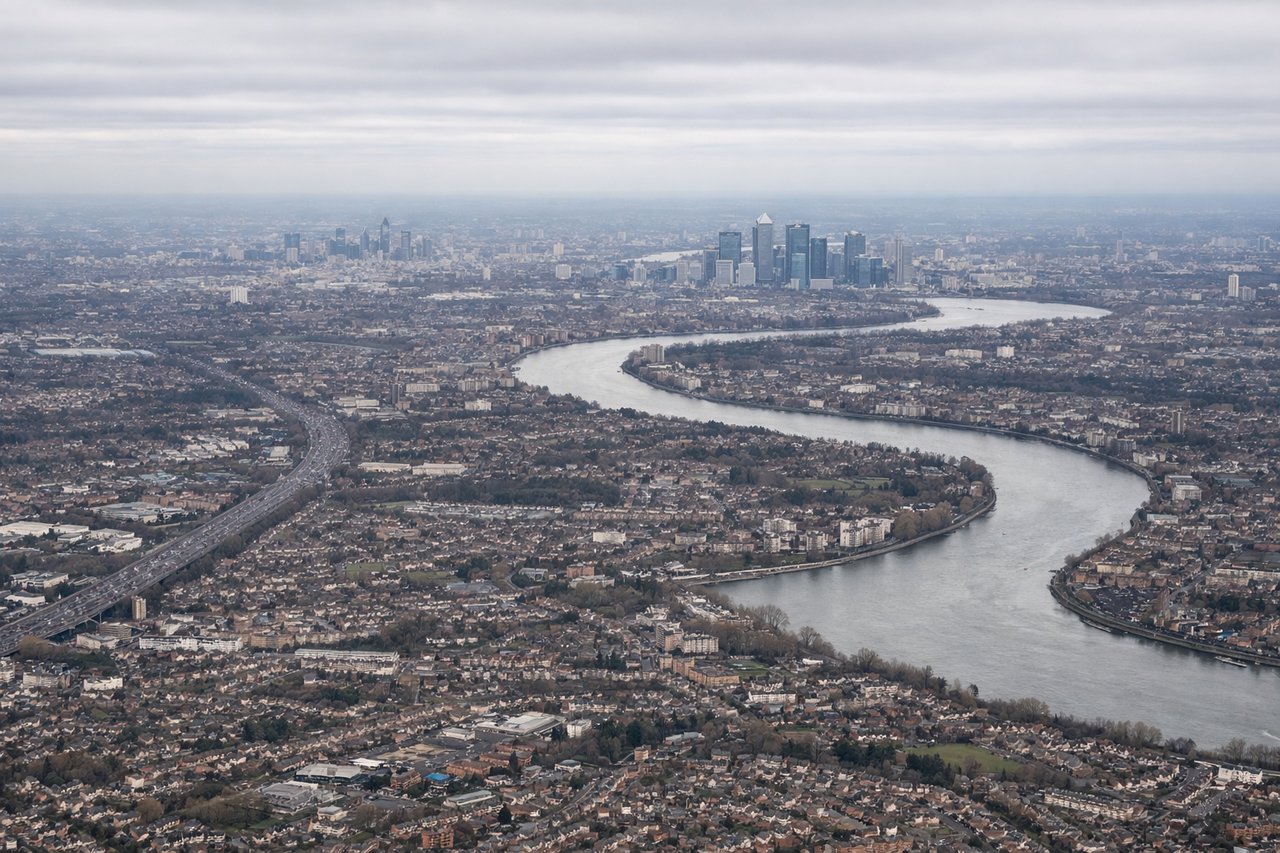
Takeoff from LHR
LEFTWestbound departures off Heathrow's 27 runways climb out almost directly over Windsor Castle, then track roughly west-southwest across the Bristol Channel and South Wales coast before crossing the Irish Sea near Cork on the south coast of Ireland. All of these landmarks sit on the south (left) side of the aircraft.
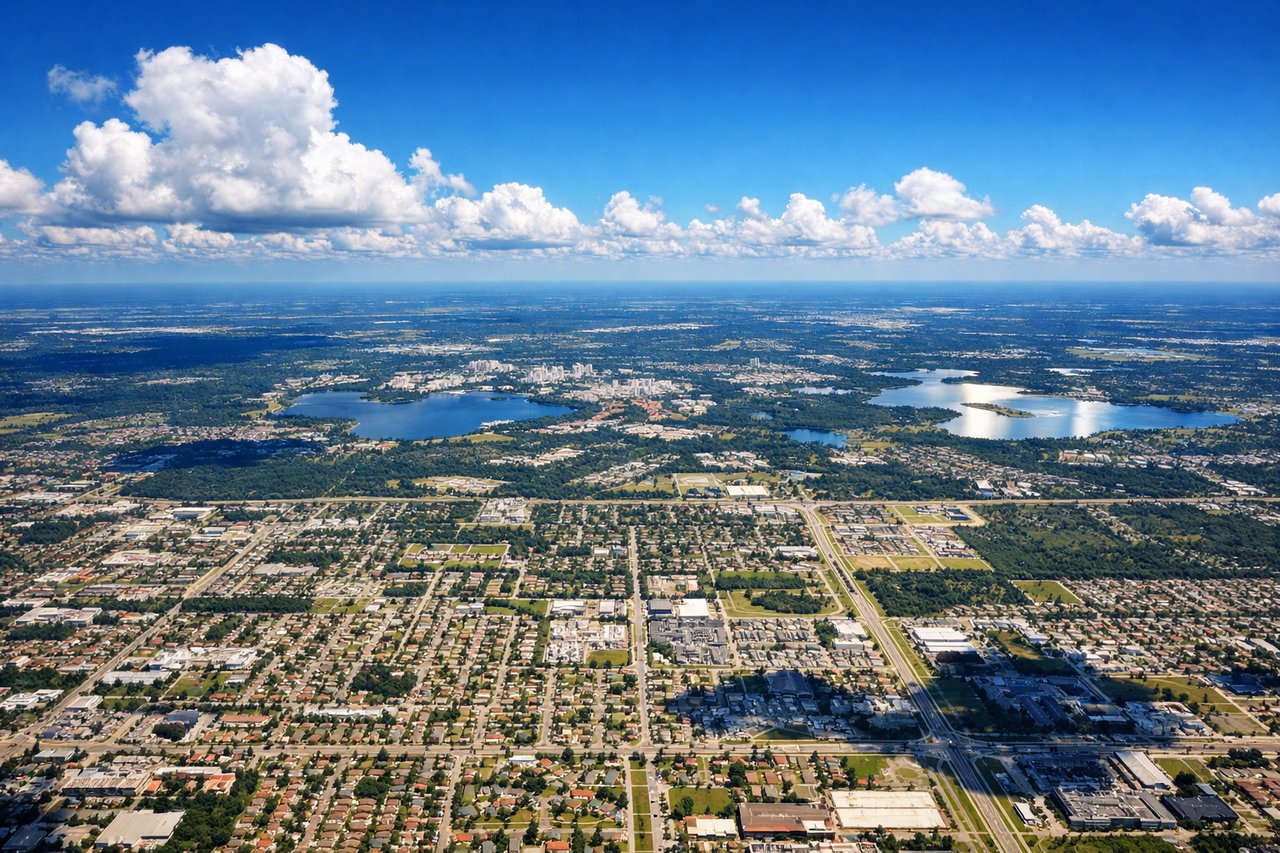
Landing at MCO
RIGHTOn the descent into MCO under typical south-flow operations, the aircraft comes down from the north over central Florida, putting Walt Disney World's parks and the Orlando downtown skyline on the right (west-facing) side of the cabin during final approach.
Landmarks on this routeAll landmarks →
Will your flight be in sunlight?
See exactly which side of the plane gets sun and shade at your departure time.
About This Route
Which side of the plane should I sit on flying from Heathrow (LHR) to Orlando International (MCO)?
Sit on the Left side of the plane for the best views on flights from London to Orlando. The left side offers a richer sequence of named landmarks during departure (Windsor Castle, Welsh coast, Irish coastline) while both sides share the same long, featureless Atlantic crossing; the takeoff-side variety edges out the single strong landmark on the landing side.
What can I see during takeoff from Heathrow in London?
During takeoff from Heathrow (LHR), sit on the Left side for the best views. Westbound departures off Heathrow's 27 runways climb out almost directly over Windsor Castle, then track roughly west-southwest across the Bristol Channel and South Wales coast before crossing the Irish Sea near Cork on the south coast of Ireland. All of these landmarks sit on the south (left) side of the aircraft. Notable sights include: Windsor Castle, Bristol Channel and South Wales coastline, Cork/south Ireland coast.
What can I see when landing at Orlando International in Orlando?
When landing at Orlando International (MCO), sit on the Right side for the best views. On the descent into MCO under typical south-flow operations, the aircraft comes down from the north over central Florida, putting Walt Disney World's parks and the Orlando downtown skyline on the right (west-facing) side of the cabin during final approach. Notable sights include: Walt Disney World (Epcot dome and Magic Kingdom area), Orlando downtown skyline, Central Florida lake district.
How long is the flight from London to Orlando?
The flight from Heathrow (LHR) to Orlando International (MCO) takes 9h 35m.
What does the London to Orlando flight path pass over?
North Atlantic Ocean, with the flight path passing south of Newfoundland and over the Grand Banks before reaching the North American coast near Nova Scotia