The left side offers better views during both takeoff (London and the Thames) and landing (Philadelphia skyline and Delaware River), while the right side sees mostly featureless countryside and suburbs during those phases. The mid-flight is dominated by open Atlantic Ocean regardless of side.
Flight Path
Most of the route crosses the open North Atlantic Ocean, with possible distant views of southern Ireland's coastline shortly after departure and Newfoundland or Nova Scotia's coast on some routings before the long ocean crossing to the North American coast.
Great circle distance and headings ›.jpeg?width=600)

.jpg?width=600)
.jpg?width=600)
Phase by phase
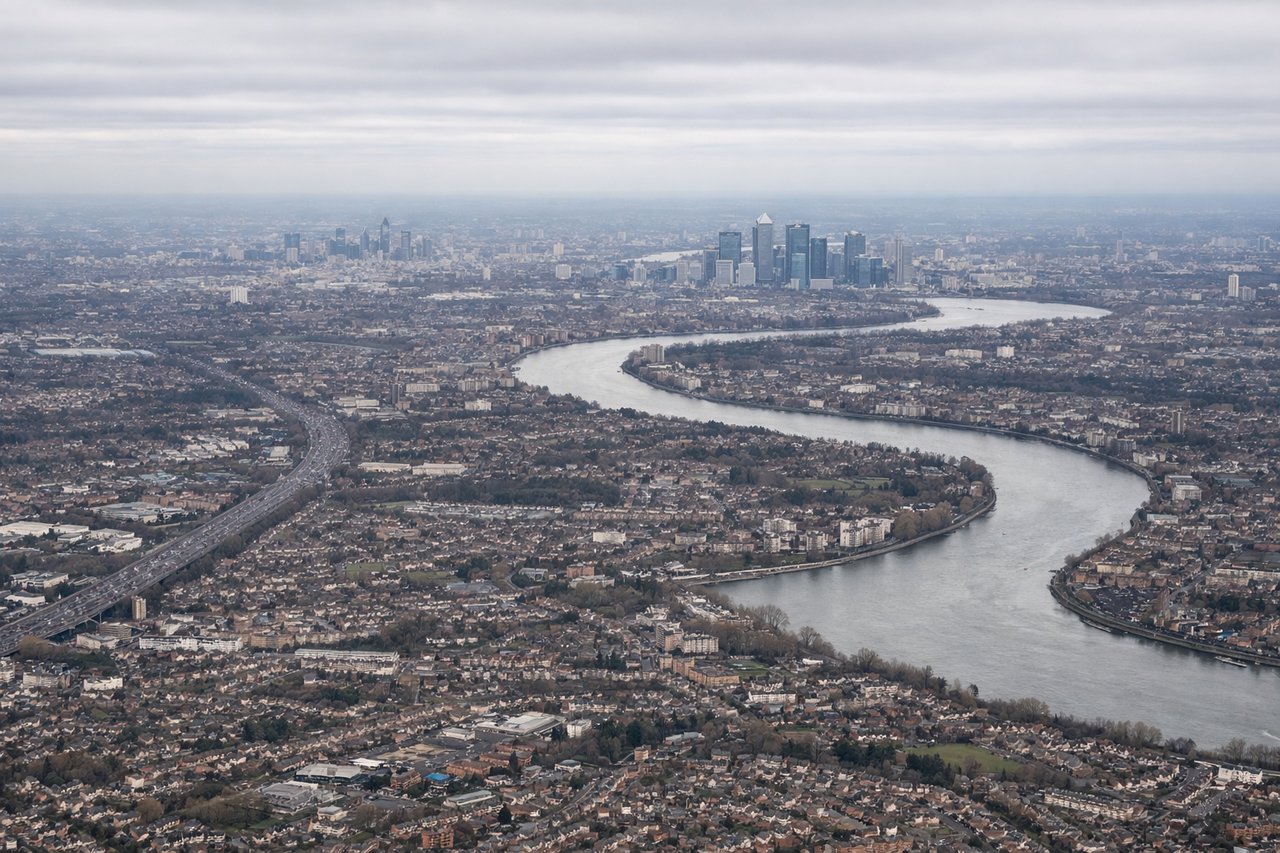
Takeoff from LHR
LEFTWestbound departures from LHR typically turn south and then west, giving left-side passengers views over London itself, including the Thames and city landmarks, before heading out over southern England. Right side mostly sees suburban London and Berkshire countryside.
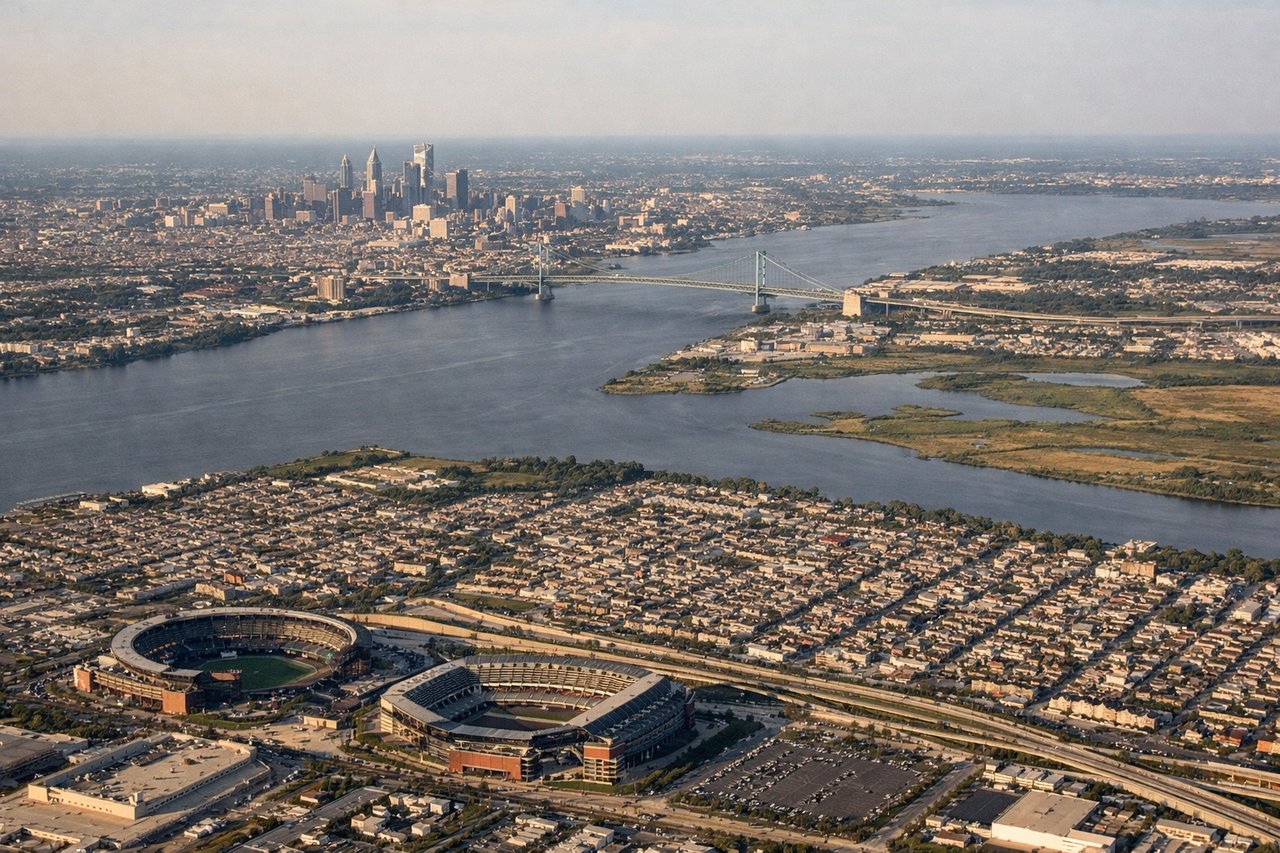
Landing at PHL
LEFTApproaching PHL from the west or southwest, left-side passengers get views of the Philadelphia skyline and the Delaware River before landing, while the right side faces mostly flat New Jersey suburbs.
Landmarks on this routeAll landmarks →
Will your flight be in sunlight?
See exactly which side of the plane gets sun and shade at your departure time.
About This Route
Which side of the plane should I sit on flying from Heathrow (LHR) to Philadelphia International (PHL)?
Sit on the Left side of the plane for the best views on flights from London to Philadelphia. The left side offers better views during both takeoff (London and the Thames) and landing (Philadelphia skyline and Delaware River), while the right side sees mostly featureless countryside and suburbs during those phases. The mid-flight is dominated by open Atlantic Ocean regardless of side.
What can I see during takeoff from Heathrow in London?
During takeoff from Heathrow (LHR), sit on the Left side for the best views. Westbound departures from LHR typically turn south and then west, giving left-side passengers views over London itself, including the Thames and city landmarks, before heading out over southern England. Right side mostly sees suburban London and Berkshire countryside. Notable sights include: River Thames, Central London skyline, Windsor Castle area, Berkshire countryside.
What can I see when landing at Philadelphia International in Philadelphia?
When landing at Philadelphia International (PHL), sit on the Left side for the best views. Approaching PHL from the west or southwest, left-side passengers get views of the Philadelphia skyline and the Delaware River before landing, while the right side faces mostly flat New Jersey suburbs. Notable sights include: Philadelphia skyline, Delaware River, Schuylkill River, Center City towers.
How long is the flight from London to Philadelphia?
The flight from Heathrow (LHR) to Philadelphia International (PHL) takes 7h 50m.
What does the London to Philadelphia flight path pass over?
Most of the route crosses the open North Atlantic Ocean, with possible distant views of southern Ireland's coastline shortly after departure and Newfoundland or Nova Scotia's coast on some routings before the long ocean crossing to the North American coast.