While takeoff favors the right for Lisbon's estuary views, the landing experience on the left at BWI is more visually rewarding—the Patapsco River, Inner Harbor, and Baltimore skyline provide distinctive urban and water features. The left side captures the approach corridor's most recognizable landmarks.
Flight Path
The flight crosses the Atlantic at roughly 35,000 feet. Notable features include: the Irish coast and Celtic Sea (visible 1-2 hours after departure if flying northerly routing), the Mid-Atlantic Ridge (not visible—too deep underwater), the Grand Banks off Newfoundland (visible as a change in water color and cloud patterns 4-5 hours into flight), and the US East Coast approaching landfall near Cape Hatteras or the Outer Banks (visible 6-7 hours into flight). Most of the mid-Atlantic crossing offers only open ocean and cloud formations; the most dramatic midpoint views occur near the North American coastline as you approach the continental shelf.
Great circle distance and headings ›.jpg?width=600)
.jpg?width=600)
.jpeg?width=600)
Phase by phase
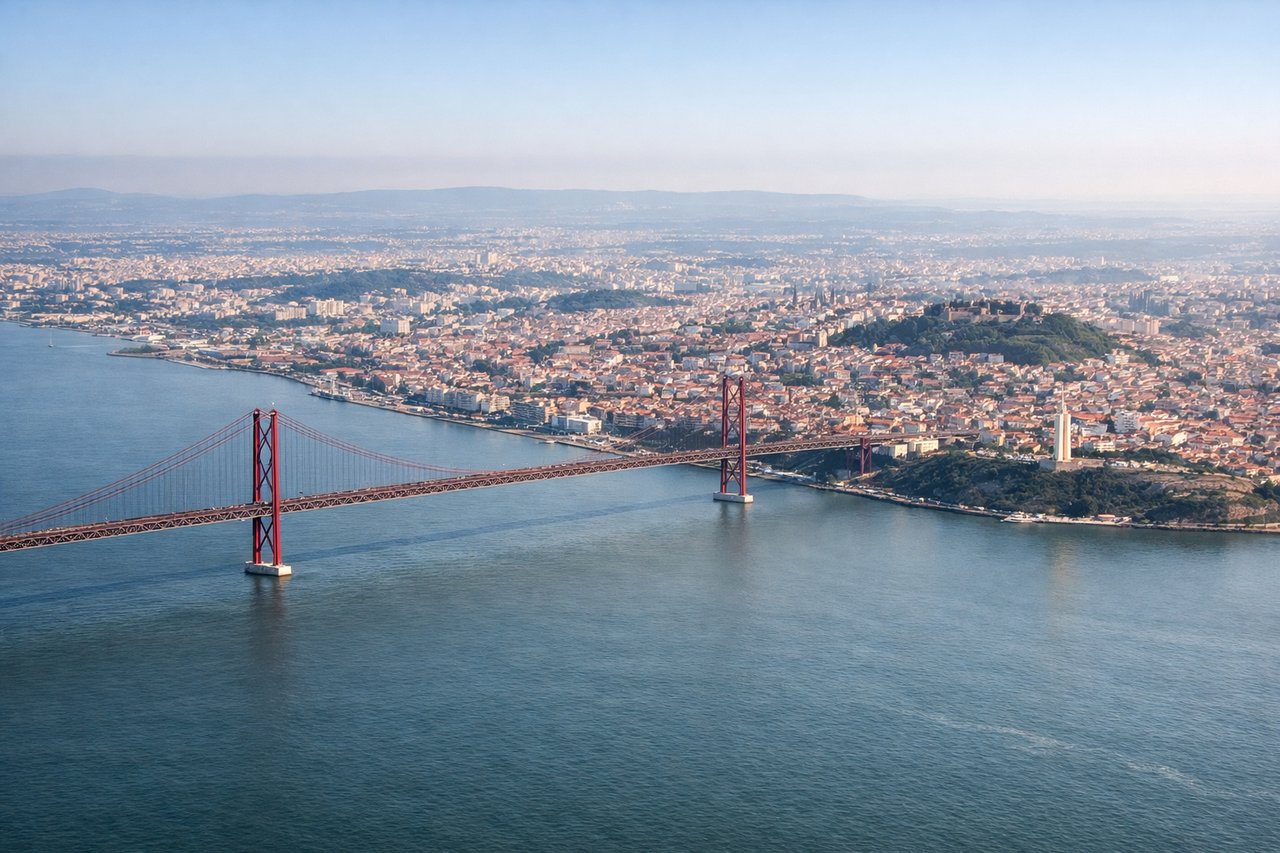
Takeoff from LIS
RIGHTLisbon typically departs runway 03 (northbound) or 21 (southbound). Right-side seats offer views of the Tagus River estuary and the Atlantic coastline. If departing 03, you'll see the river's northern banks and the bridge approaches; if 21, the southern approaches and open Atlantic are visible on the right.
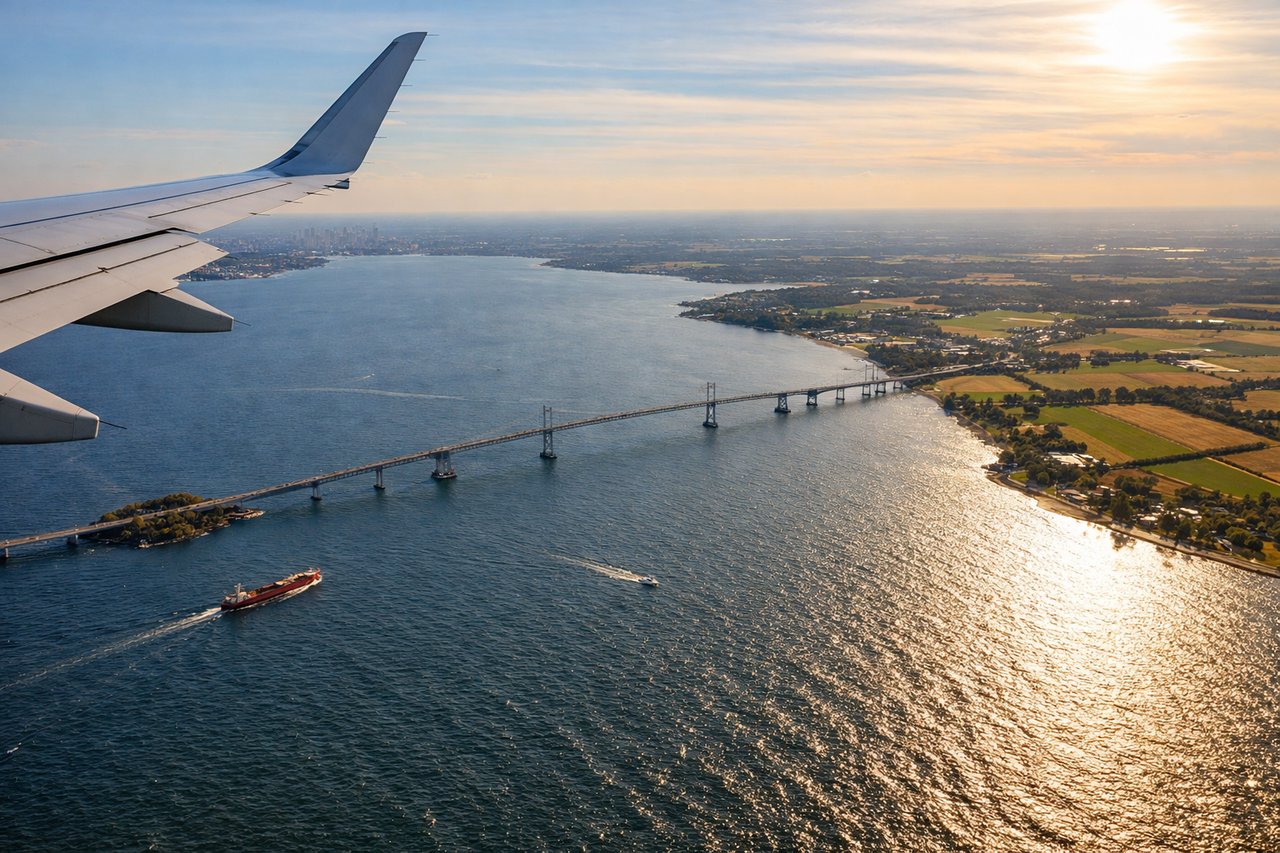
Landing at BWI
LEFTBWI typically uses runways 10L/10R (eastbound) or 28L/28R (westbound). Left-side seats on approach capture the Patapsco River, Baltimore Harbor, and the city skyline. The Inner Harbor and downtown Baltimore are most visible on the left during standard approach corridors from the northeast.
Landmarks on this routeAll landmarks →
Will your flight be in sunlight?
See exactly which side of the plane gets sun and shade at your departure time.
About This Route
Which side of the plane should I sit on flying from Lisboa (LIS) to Baltimore Washington International (BWI)?
Sit on the Left side of the plane for the best views on flights from Lisbon to Baltimore. While takeoff favors the right for Lisbon's estuary views, the landing experience on the left at BWI is more visually rewarding—the Patapsco River, Inner Harbor, and Baltimore skyline provide distinctive urban and water features. The left side captures the approach corridor's most recognizable landmarks.
What can I see during takeoff from Lisboa in Lisbon?
During takeoff from Lisboa (LIS), sit on the Right side for the best views. Lisbon typically departs runway 03 (northbound) or 21 (southbound). Right-side seats offer views of the Tagus River estuary and the Atlantic coastline. If departing 03, you'll see the river's northern banks and the bridge approaches; if 21, the southern approaches and open Atlantic are visible on the right. Notable sights include: Tagus River estuary, 25 de Abril Bridge (suspension bridge visible during northbound climbs), Cristo Rei monument on the south bank, Atlantic coastline.
What can I see when landing at Baltimore Washington International in Baltimore?
When landing at Baltimore Washington International (BWI), sit on the Left side for the best views. BWI typically uses runways 10L/10R (eastbound) or 28L/28R (westbound). Left-side seats on approach capture the Patapsco River, Baltimore Harbor, and the city skyline. The Inner Harbor and downtown Baltimore are most visible on the left during standard approach corridors from the northeast. Notable sights include: Patapsco River, Baltimore Inner Harbor, Chesapeake Bay (distant), downtown Baltimore skyline.
How long is the flight from Lisbon to Baltimore?
The flight from Lisboa (LIS) to Baltimore Washington International (BWI) takes Approximately 7 hours 15 minutes.
What does the Lisbon to Baltimore flight path pass over?
The flight crosses the Atlantic at roughly 35,000 feet. Notable features include: the Irish coast and Celtic Sea (visible 1-2 hours after departure if flying northerly routing), the Mid-Atlantic Ridge (not visible—too deep underwater), the Grand Banks off Newfoundland (visible as a change in water color and cloud patterns 4-5 hours into flight), and the US East Coast approaching landfall near Cape Hatteras or the Outer Banks (visible 6-7 hours into flight). Most of the mid-Atlantic crossing offers only open ocean and cloud formations; the most dramatic midpoint views occur near the North American coastline as you approach the continental shelf.