Lisbon to Fortaleza is 3,487 miles (5,612 km), a flight of about 7 hours 5 minutes.
While takeoff from Lisbon favors the left, the landing approach into Fortaleza on the right side is more visually rewarding, offering clear views of the tropical Atlantic coastline, river estuary, and city layout during descent. The right side captures the more dramatic approach geometry.
Flight Path
The flight crosses the Atlantic Ocean for roughly 5,000 kilometers. Notable features along the route include: the Azores archipelago (if visible during the first 2-3 hours, depending on exact routing), the open Atlantic with occasional weather systems, and the approach to the Brazilian coast showing the transition from deep ocean to continental shelf waters. The mid-Atlantic crossing offers minimal ground features but may show cloud formations and ocean color variations. As the aircraft approaches Brazil's northeast coast, the continental shelf becomes visible as a color gradient in the water, and the first signs of land appear as the Pernambuco and Ceará coastlines emerge on the horizon.
Great circle distance and headings ›Phase by phase
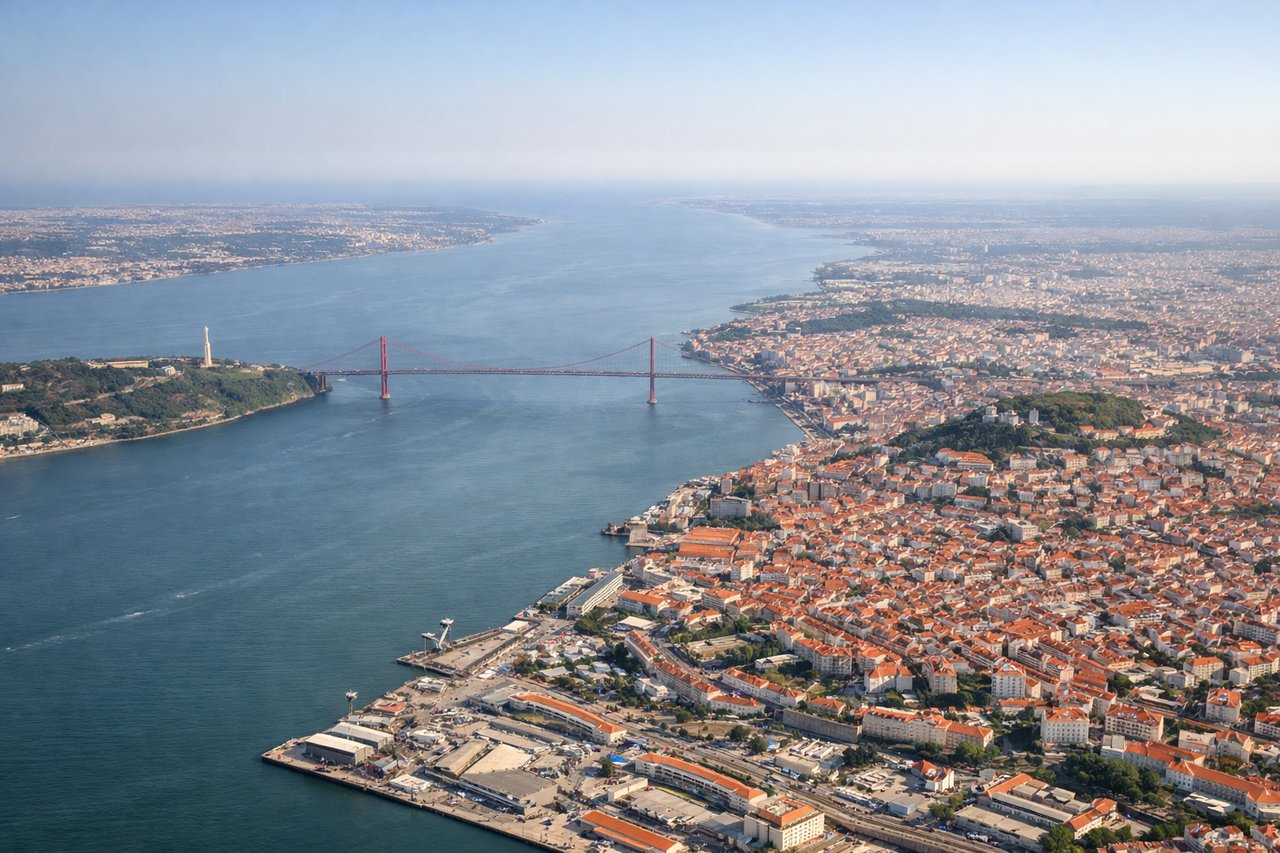
Takeoff from LIS
LEFTLeft side offers views of the Tagus River estuary and Lisbon's waterfront districts as the aircraft climbs westward over the Atlantic. You'll see the river's distinctive wide mouth and the city's layout along both banks before heading out to sea.
Landing at FOR
RIGHTRight side provides views of Fortaleza's coastline and the Atlantic approach. As the aircraft descends from the northeast, you'll see the city's beaches, the Potengi River mouth, and the distinctive urban layout along the coast before final approach to Pinto Martins.
Landmarks on this routeAll landmarks →
Will your flight be in sunlight?
Pick a date and time in the Sun Map to watch the sun move across your whole flight.
About This Route
Which side of the plane should I sit on flying from Lisboa (LIS) to Pinto Martins International (FOR)?
Sit on the Right side of the plane for the best views on flights from Lisbon to Fortaleza. While takeoff from Lisbon favors the left, the landing approach into Fortaleza on the right side is more visually rewarding, offering clear views of the tropical Atlantic coastline, river estuary, and city layout during descent. The right side captures the more dramatic approach geometry.
What can I see during takeoff from Lisboa in Lisbon?
During takeoff from Lisboa (LIS), sit on the Left side for the best views. Left side offers views of the Tagus River estuary and Lisbon's waterfront districts as the aircraft climbs westward over the Atlantic. You'll see the river's distinctive wide mouth and the city's layout along both banks before heading out to sea. Notable sights include: Tagus River estuary, Lisbon city center and waterfront, Atlantic coastline, Cristo Rei monument area on south bank.
What can I see when landing at Pinto Martins International in Fortaleza?
When landing at Pinto Martins International (FOR), sit on the Right side for the best views. Right side provides views of Fortaleza's coastline and the Atlantic approach. As the aircraft descends from the northeast, you'll see the city's beaches, the Potengi River mouth, and the distinctive urban layout along the coast before final approach to Pinto Martins. Notable sights include: Potengi River estuary, Fortaleza's urban waterfront, Atlantic coastline and beaches, Mucuripe Beach area.
How long is the flight from Lisbon to Fortaleza?
The flight from Lisboa (LIS) to Pinto Martins International (FOR) takes about 7 hours 5 minutes. The shortest flight path between them is 3,487 miles (5,612 km); winds and air traffic control usually add a few percent.
What does the Lisbon to Fortaleza flight path pass over?
The flight crosses the Atlantic Ocean for roughly 5,000 kilometers. Notable features along the route include: the Azores archipelago (if visible during the first 2-3 hours, depending on exact routing), the open Atlantic with occasional weather systems, and the approach to the Brazilian coast showing the transition from deep ocean to continental shelf waters. The mid-Atlantic crossing offers minimal ground features but may show cloud formations and ocean color variations. As the aircraft approaches Brazil's northeast coast, the continental shelf becomes visible as a color gradient in the water, and the first signs of land appear as the Pernambuco and Ceará coastlines emerge on the horizon.