While takeoff favors the right for Lisbon's estuary views, the landing experience on the left side—with the Delaware River, Philadelphia skyline, and the approach corridor—provides more dramatic and recognizable landmarks. Left seats capture the arrival experience more memorably.
Flown LIS to PHL? Did we get it right?
Flight Path
Lisbon to Philadelphia is 3,449 miles (5,551 km), a flight of about 7 hours 30 minutes.
The flight crosses the Atlantic at roughly 35,000 feet. Notable features along the route include: the Irish coast and Celtic Sea (visible on departure if climbing northwestward), the Mid-Atlantic Ridge area (underwater, not visible), and the approach to North America via the Canadian Maritimes or New England coast. The Grand Banks southeast of Newfoundland may be visible on clear days during the final descent phase. Most of the transatlantic crossing offers only open ocean and cloud formations.
Great circle distance and headings ›

Phase by phase
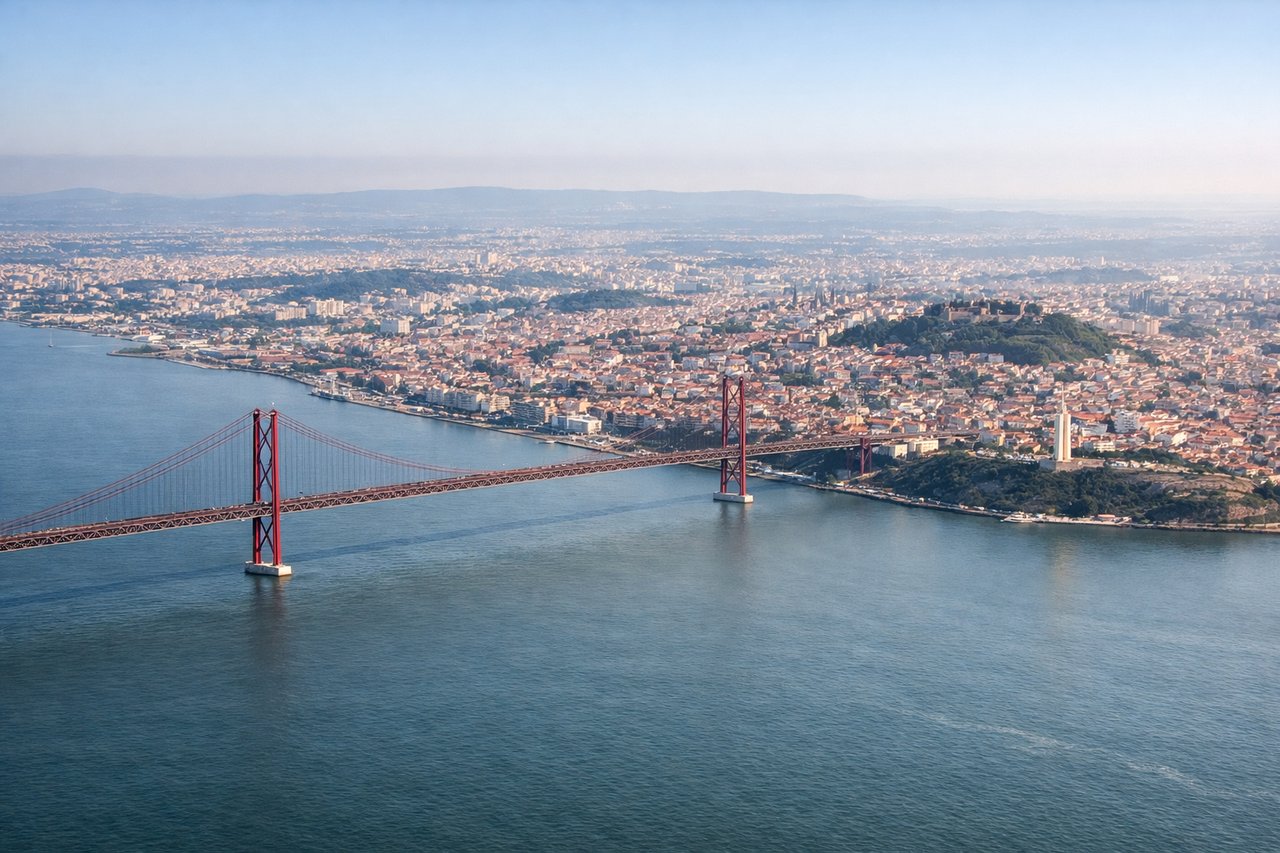
Takeoff from LIS
RIGHTLisbon typically departs runway 03 (northbound) or 21 (southbound). Right-side seats on a northbound departure offer immediate views of the Tagus River estuary and the city's waterfront districts. On southbound departures, right seats capture the Atlantic coastline and Caparica beaches as you climb.
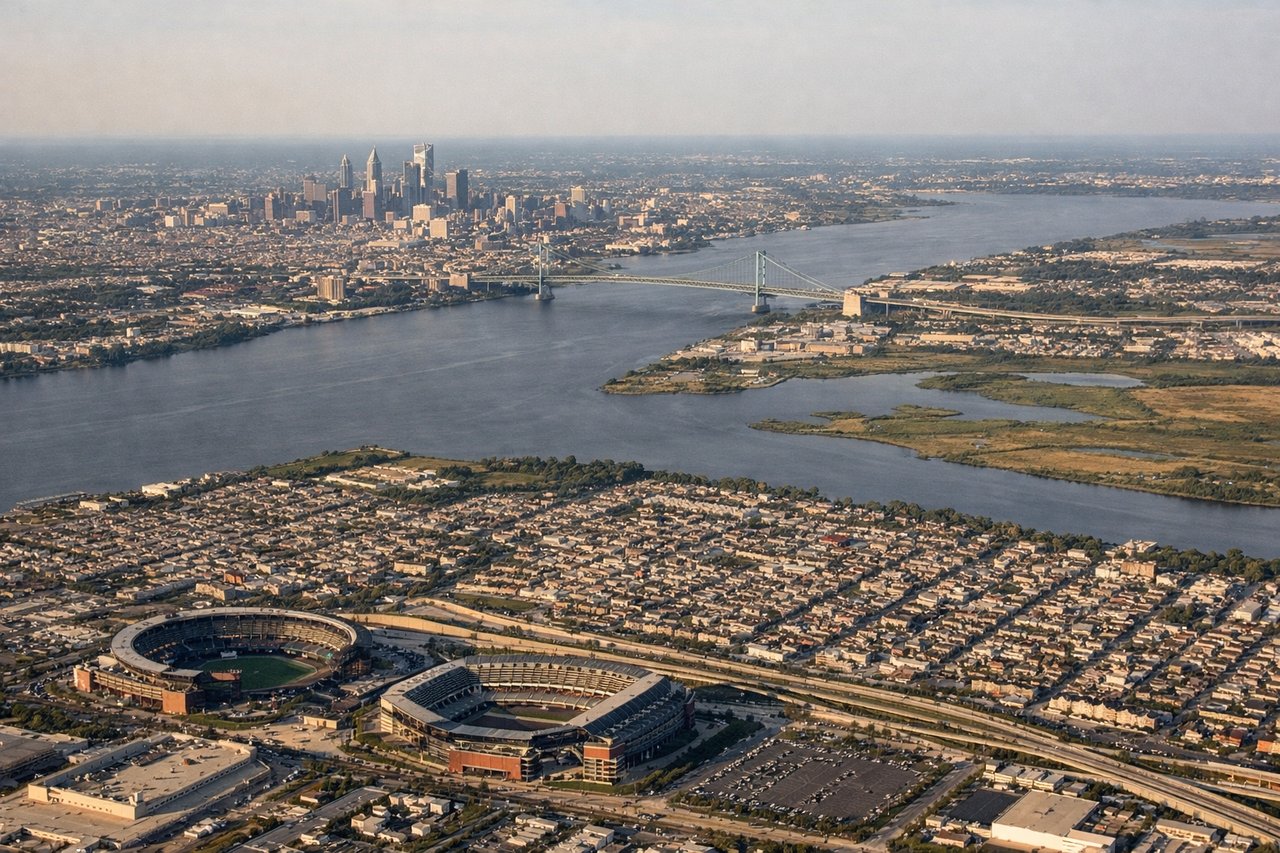
Landing at PHL
LEFTPhiladelphia International uses runways 09L/27R and 09R/27L. Transatlantic arrivals typically approach from the east on runway 09L or 09R. Left-side seats on approach from the northeast provide views of the Delaware River, downtown Philadelphia's skyline, and the New Jersey industrial corridor before touchdown.
Will your flight be in sunlight?
Pick a date and time in the Sun Map to watch the sun move across your whole flight.
About This Route
Which side of the plane should I sit on flying from Lisboa (LIS) to Philadelphia International (PHL)?
Sit on the Left side of the plane for the best views on flights from Lisbon to Philadelphia. While takeoff favors the right for Lisbon's estuary views, the landing experience on the left side—with the Delaware River, Philadelphia skyline, and the approach corridor—provides more dramatic and recognizable landmarks. Left seats capture the arrival experience more memorably.
What can I see during takeoff from Lisboa in Lisbon?
During takeoff from Lisboa (LIS), sit on the Right side for the best views. Lisbon typically departs runway 03 (northbound) or 21 (southbound). Right-side seats on a northbound departure offer immediate views of the Tagus River estuary and the city's waterfront districts. On southbound departures, right seats capture the Atlantic coastline and Caparica beaches as you climb. Notable sights include: Tagus River estuary, Lisbon city center and Baixa district, Cristo Rei monument across the river, Atlantic coastline south toward Caparica.
What can I see when landing at Philadelphia International in Philadelphia?
When landing at Philadelphia International (PHL), sit on the Left side for the best views. Philadelphia International uses runways 09L/27R and 09R/27L. Transatlantic arrivals typically approach from the east on runway 09L or 09R. Left-side seats on approach from the northeast provide views of the Delaware River, downtown Philadelphia's skyline, and the New Jersey industrial corridor before touchdown. Notable sights include: Delaware River, Philadelphia downtown skyline and Center City, Ben Franklin Bridge, New Jersey refineries and industrial waterfront.
How long is the flight from Lisbon to Philadelphia?
The flight from Lisboa (LIS) to Philadelphia International (PHL) takes about 7 hours 30 minutes. The shortest flight path between them is 3,449 miles (5,551 km); winds and air traffic control usually add a few percent.
What does the Lisbon to Philadelphia flight path pass over?
The flight crosses the Atlantic at roughly 35,000 feet. Notable features along the route include: the Irish coast and Celtic Sea (visible on departure if climbing northwestward), the Mid-Atlantic Ridge area (underwater, not visible), and the approach to North America via the Canadian Maritimes or New England coast. The Grand Banks southeast of Newfoundland may be visible on clear days during the final descent phase. Most of the transatlantic crossing offers only open ocean and cloud formations.