Right-side seats capture the superior departure views over the Bay of Bengal and coastal geography. While landing views favor the left, the extended flight duration means takeoff experience dominates the journey. Right seats also offer glimpses of the Andaman Sea and Myanmar coast during the mid-flight cruise phase.
Flown MAA to HKG? Did we get it right?
Flight Path
Madras to Hong Kong is 2,307 miles (3,713 km), a flight of about 4 hours.
The flight path crosses the Bay of Bengal northeast toward the Andaman Sea. Visible features during cruise include the Andaman Islands (if flying the southern corridor), the Myanmar coast near Yangon, and the Irrawaddy Delta. The route then transitions over Thailand's airspace, with occasional glimpses of the Thai coast and Gulf of Thailand before turning northeast toward Hong Kong. The Tonkin Gulf and northern Vietnam coastline may be visible on the approach to Hong Kong depending on the specific routing and weather.
Great circle distance and headings ›


Phase by phase
Takeoff from MAA
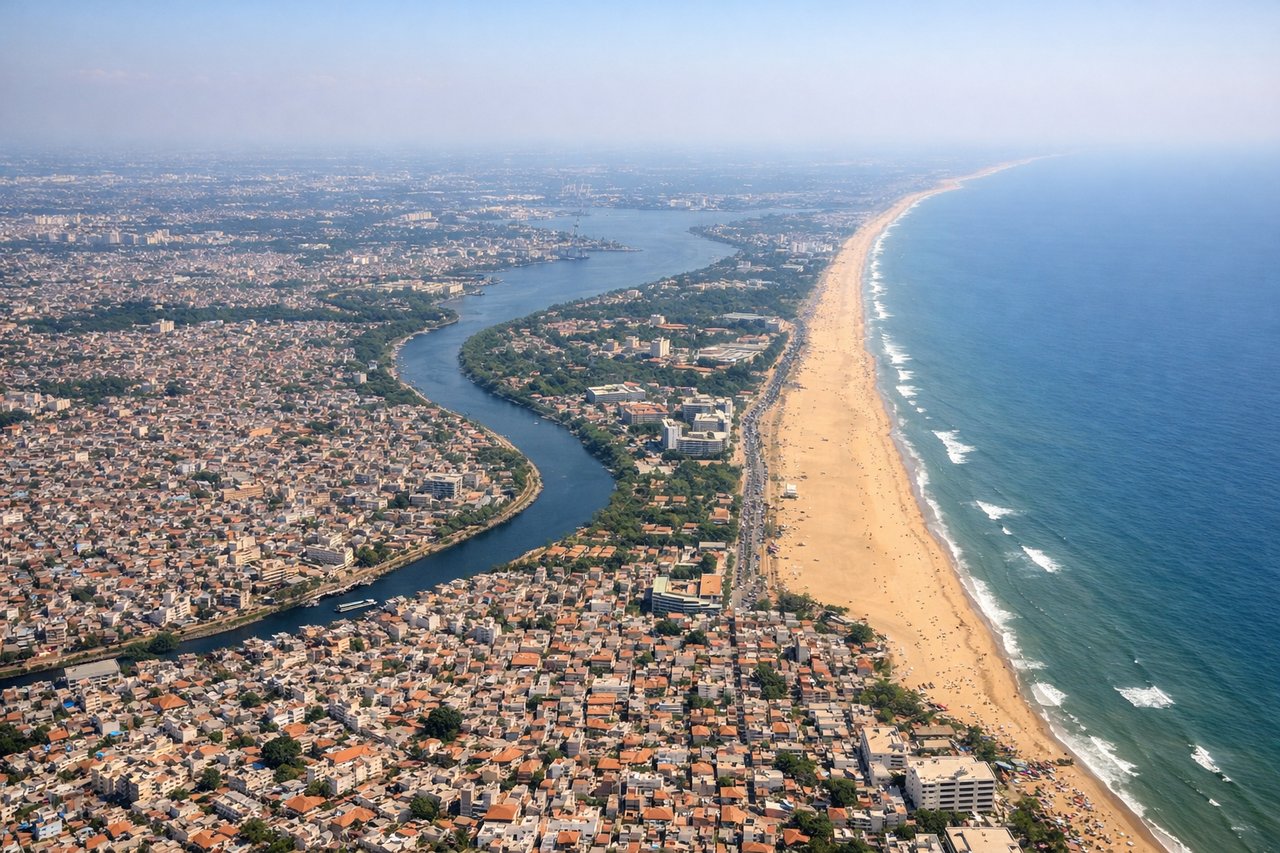
RIGHTChennai typically departs from runway 06/24 or 09/27. Right-side seats capture the Bay of Bengal coastline and the Cooum River delta as you climb northeast or east. The contrast between urban sprawl and water is striking during the initial climb.
Landing at HKG
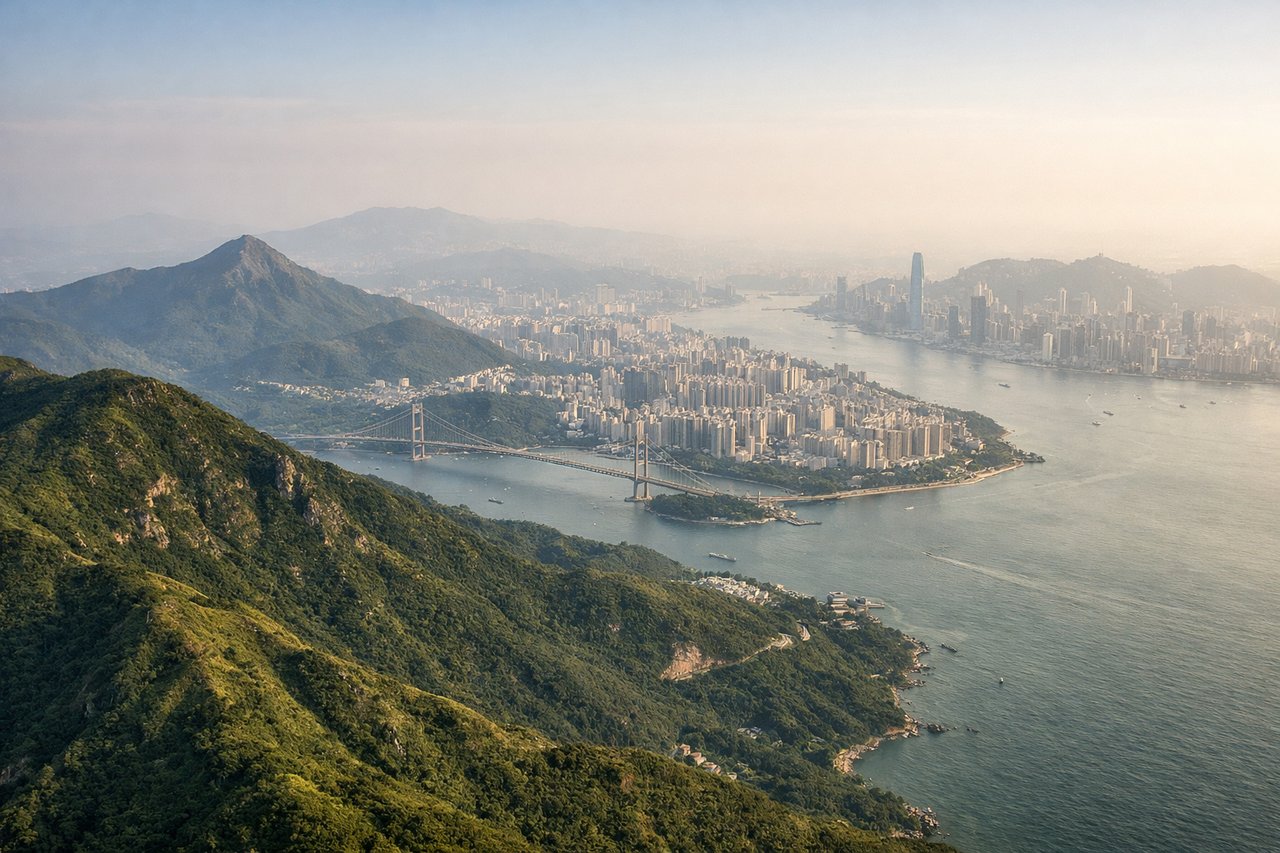
LEFTHong Kong approaches typically use runways 07L/25R or 07R/25L depending on wind. Left-side seats during descent offer views of Victoria Harbour, Kowloon Peninsula, and the New Territories. The harbor's distinctive shape and the dense urban landscape of Hong Kong Island provide excellent visual reference.
Will your flight be in sunlight?
Pick a date and time in the Sun Map to watch the sun move across your whole flight.
About This Route
Which side of the plane should I sit on flying from Chennai International (MAA) to Hong Kong International (HKG)?
Sit on the Right side of the plane for the best views on flights from Madras to Hong Kong. Right-side seats capture the superior departure views over the Bay of Bengal and coastal geography. While landing views favor the left, the extended flight duration means takeoff experience dominates the journey. Right seats also offer glimpses of the Andaman Sea and Myanmar coast during the mid-flight cruise phase.
What can I see during takeoff from Chennai International in Madras?
During takeoff from Chennai International (MAA), sit on the Right side for the best views. Chennai typically departs from runway 06/24 or 09/27. Right-side seats capture the Bay of Bengal coastline and the Cooum River delta as you climb northeast or east. The contrast between urban sprawl and water is striking during the initial climb. Notable sights include: Bay of Bengal (immediate right), Cooum River delta, Chennai harbor and port facilities, Pulicat Lake (visible further north on climb-out).
What can I see when landing at Hong Kong International in Hong Kong?
When landing at Hong Kong International (HKG), sit on the Left side for the best views. Hong Kong approaches typically use runways 07L/25R or 07R/25L depending on wind. Left-side seats during descent offer views of Victoria Harbour, Kowloon Peninsula, and the New Territories. The harbor's distinctive shape and the dense urban landscape of Hong Kong Island provide excellent visual reference. Notable sights include: Victoria Harbour (central and left), Kowloon Peninsula (left), Hong Kong Island skyline, New Territories and Lantau Island (right and background).
How long is the flight from Madras to Hong Kong?
The flight from Chennai International (MAA) to Hong Kong International (HKG) takes about 4 hours. The shortest flight path between them is 2,307 miles (3,713 km); winds and air traffic control usually add a few percent.
What does the Madras to Hong Kong flight path pass over?
The flight path crosses the Bay of Bengal northeast toward the Andaman Sea. Visible features during cruise include the Andaman Islands (if flying the southern corridor), the Myanmar coast near Yangon, and the Irrawaddy Delta. The route then transitions over Thailand's airspace, with occasional glimpses of the Thai coast and Gulf of Thailand before turning northeast toward Hong Kong. The Tonkin Gulf and northern Vietnam coastline may be visible on the approach to Hong Kong depending on the specific routing and weather.