While Madrid's departure offers modest Sierra views, Cancun's landing dominates with the Caribbean's iconic turquoise waters, lagoon systems, and white sand beaches—genuinely distinctive and visually striking features. The approach to Cancun is far more scenic than the departure from Madrid. The left side (Atlantic crossing) provides 8+ hours of featureless ocean with no compensating scenic value.
Flight Path
Atlantic Ocean crossing (no visible landmarks for approximately 6 hours); Azores archipelago passes south of typical routing; Gulf of Mexico entry with gradual transition from open ocean to Yucatan Peninsula's shallow turquoise waters and coastal features in final 90 minutes
Great circle distance and headings ›

Phase by phase
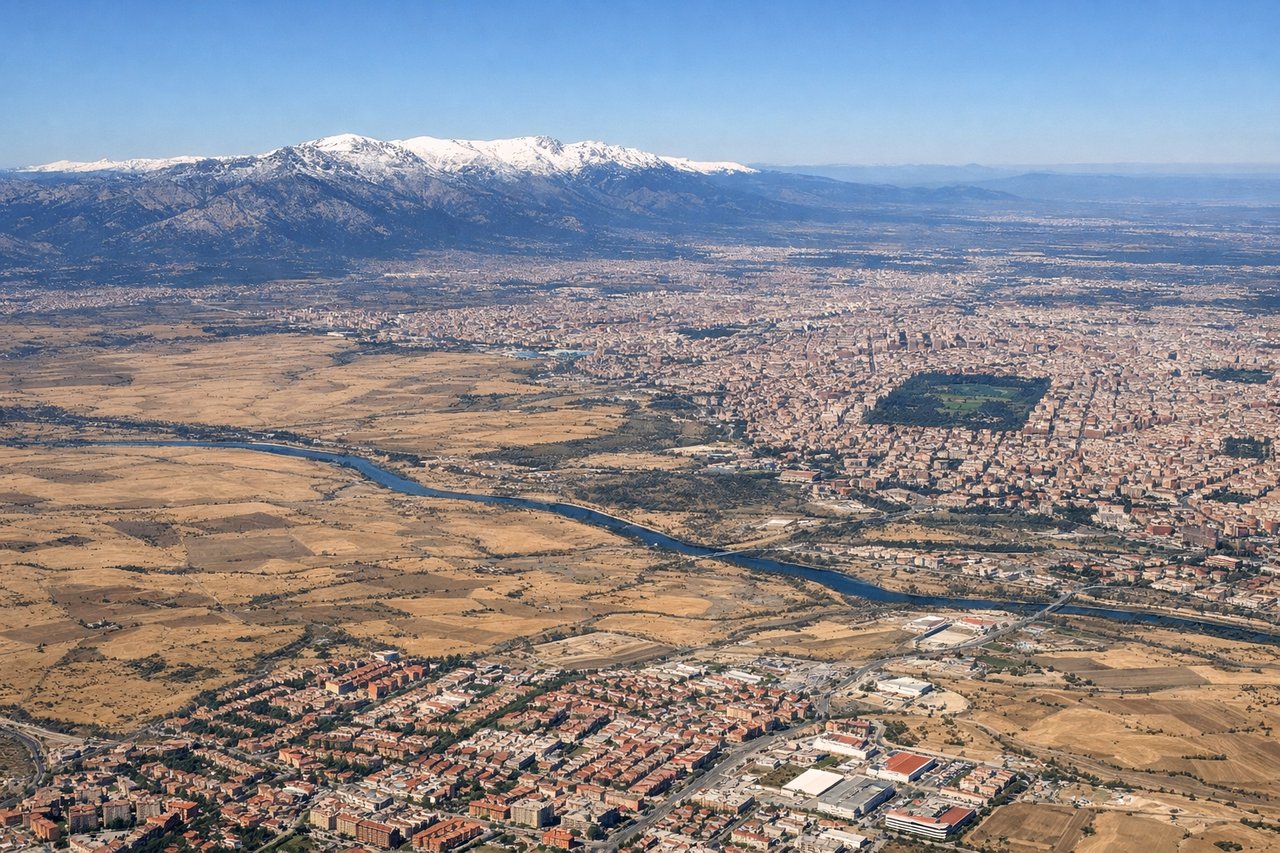
Takeoff from MAD
LEFTMadrid's departure to the west offers views of the Spanish meseta and Sierra de Guadarrama foothills. The right side faces inland plains with minimal relief.
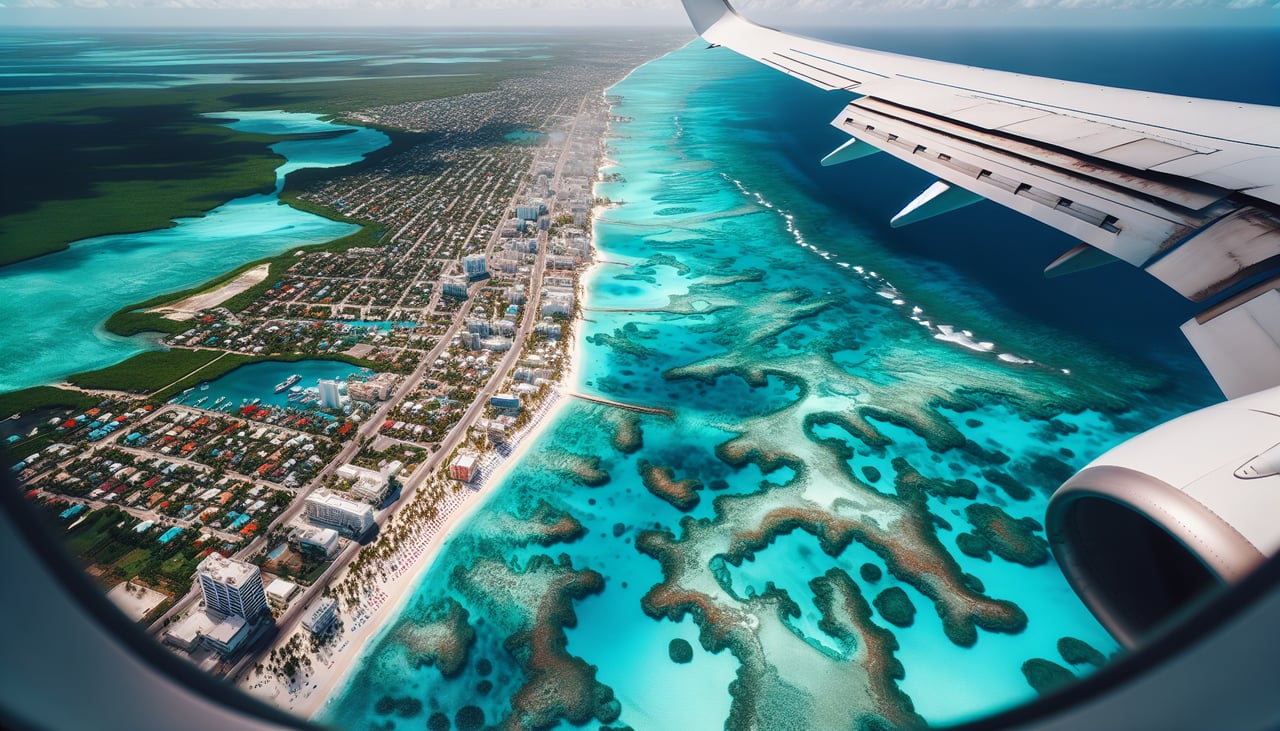
Landing at CUN
RIGHTThe approach to Cancun from the northwest reveals the Yucatan Peninsula's distinctive turquoise Caribbean waters, white sand beaches, and the Cancun lagoon system. The left side shows only open Atlantic Ocean.
Landmarks on this routeAll landmarks →
Will your flight be in sunlight?
See exactly which side of the plane gets sun and shade at your departure time.
About This Route
Which side of the plane should I sit on flying from Barajas (MAD) to Cancun International (CUN)?
Sit on the Right side of the plane for the best views on flights from Madrid to Cancun. While Madrid's departure offers modest Sierra views, Cancun's landing dominates with the Caribbean's iconic turquoise waters, lagoon systems, and white sand beaches—genuinely distinctive and visually striking features. The approach to Cancun is far more scenic than the departure from Madrid. The left side (Atlantic crossing) provides 8+ hours of featureless ocean with no compensating scenic value.
What can I see during takeoff from Barajas in Madrid?
During takeoff from Barajas (MAD), sit on the Left side for the best views. Madrid's departure to the west offers views of the Spanish meseta and Sierra de Guadarrama foothills. The right side faces inland plains with minimal relief. Notable sights include: Sierra de Guadarrama (distant north), Tagus River valley, Madrid urban sprawl transitioning to central Spanish plateau.
What can I see when landing at Cancun International in Cancun?
When landing at Cancun International (CUN), sit on the Right side for the best views. The approach to Cancun from the northwest reveals the Yucatan Peninsula's distinctive turquoise Caribbean waters, white sand beaches, and the Cancun lagoon system. The left side shows only open Atlantic Ocean. Notable sights include: Cancun Lagoon (Laguna de Nichupté), Caribbean turquoise waters, white sand beaches and barrier islands, Yucatan Peninsula coastline.
How long is the flight from Madrid to Cancun?
The flight from Barajas (MAD) to Cancun International (CUN) takes 8h 45m.
What does the Madrid to Cancun flight path pass over?
Atlantic Ocean crossing (no visible landmarks for approximately 6 hours); Azores archipelago passes south of typical routing; Gulf of Mexico entry with gradual transition from open ocean to Yucatan Peninsula's shallow turquoise waters and coastal features in final 90 minutes