The right side scores 3.5 versus left's 2.5 due to Tokyo's exceptional landing approach through Sagami Bay and Tokyo Bay, with Mount Fuji visible on clear days and one of the world's densest urban landscapes. Madrid's departure is scenic but brief, and the westbound cruise over the Mediterranean, Middle East, and Central Asia offers limited dramatic terrain—mostly open water, desert, and high plateaus with few distinctive landmarks visible from cruise altitude. Tokyo's arrival sequence provides concentrated visual drama that outweighs Madrid's modest takeoff advantage.
Flown MAD to HND? Did we get it right?
Flight Path
Madrid to Tokyo is 6,690 miles (10,767 km), a flight of about 11 hours 50 minutes.
Mediterranean coast (southern Spain/North Africa), Atlas Mountains (Morocco/Algeria), Sahara Desert, Red Sea, Arabian Peninsula, Persian Gulf, Hindu Kush and Pamir ranges (Afghanistan/Tajikistan), Taklamakan Desert (China), Tian Shan mountains, Gobi Desert, and the North China Plain before descending into Japan
Great circle distance and headings ›


Phase by phase
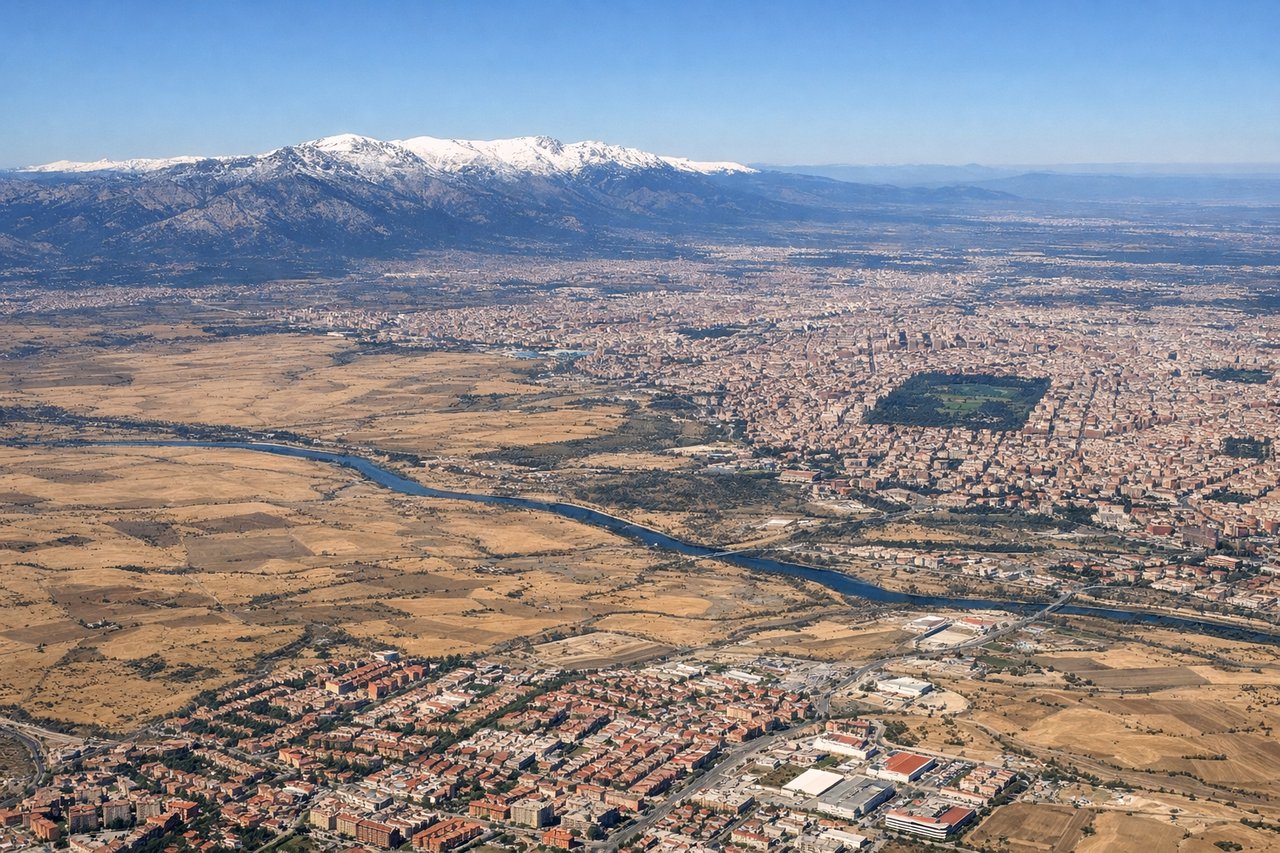
Takeoff from MAD
LEFTMadrid's departure northwestward offers immediate views of the Spanish meseta and Sierra de Guadarrama foothills. The city sprawl and surrounding plateau provide more visual interest than the flat terrain to the right.
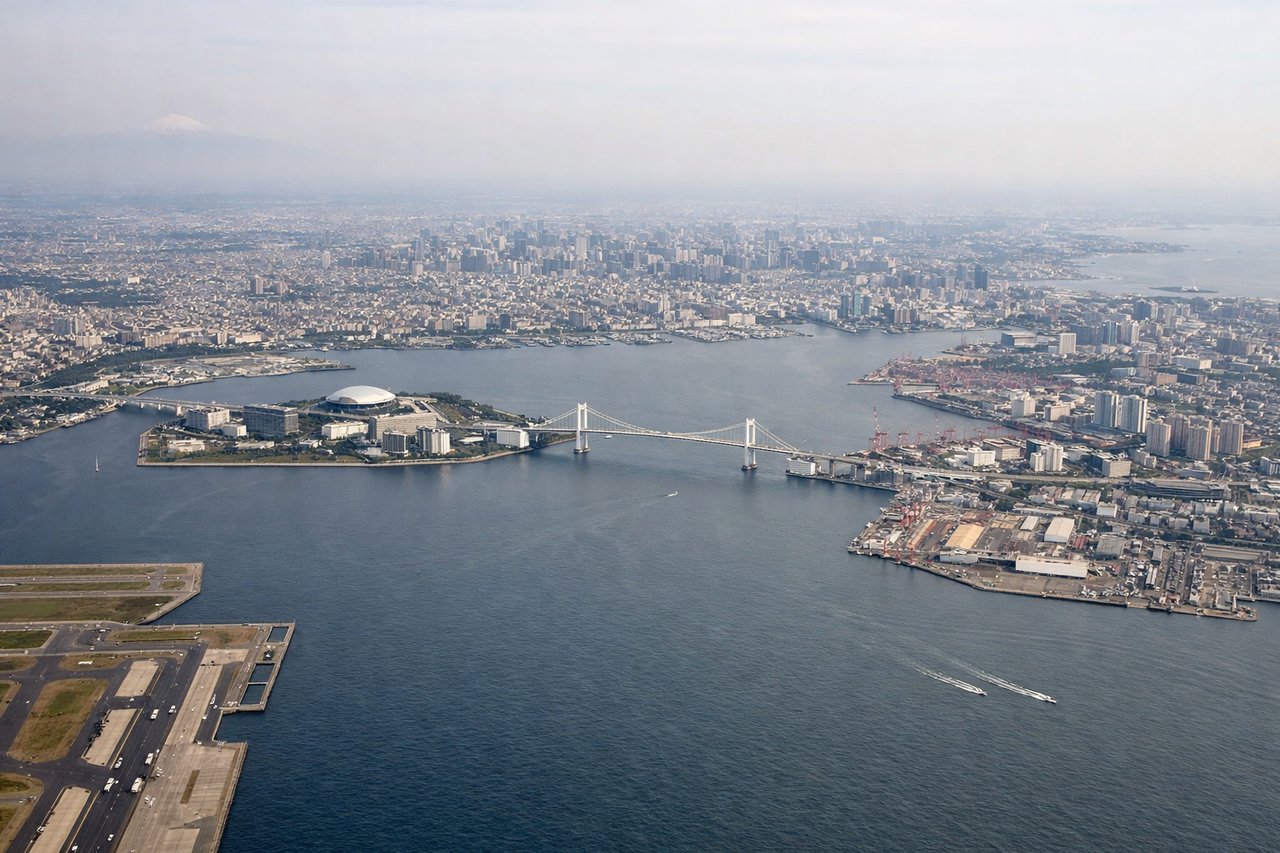
Landing at HND
RIGHTTokyo's approach from the west crosses Sagami Bay and Tokyo Bay, offering dramatic views of Japan's densest urban landscape, Mount Fuji on clear days, and the Kanto Plain's intricate geography. The landing sequence provides far superior scenic value compared to the long oceanic approach from the west.
Will your flight be in sunlight?
Pick a date and time in the Sun Map to watch the sun move across your whole flight.
About This Route
Which side of the plane should I sit on flying from Barajas (MAD) to Tokyo International (HND)?
Sit on the Right side of the plane for the best views on flights from Madrid to Tokyo. The right side scores 3.5 versus left's 2.5 due to Tokyo's exceptional landing approach through Sagami Bay and Tokyo Bay, with Mount Fuji visible on clear days and one of the world's densest urban landscapes. Madrid's departure is scenic but brief, and the westbound cruise over the Mediterranean, Middle East, and Central Asia offers limited dramatic terrain—mostly open water, desert, and high plateaus with few distinctive landmarks visible from cruise altitude. Tokyo's arrival sequence provides concentrated visual drama that outweighs Madrid's modest takeoff advantage.
What can I see during takeoff from Barajas in Madrid?
During takeoff from Barajas (MAD), sit on the Left side for the best views. Madrid's departure northwestward offers immediate views of the Spanish meseta and Sierra de Guadarrama foothills. The city sprawl and surrounding plateau provide more visual interest than the flat terrain to the right. Notable sights include: Sierra de Guadarrama (north), Madrid urban grid and Retiro Park, Tagus River valley, Spanish central plateau.
What can I see when landing at Tokyo International in Tokyo?
When landing at Tokyo International (HND), sit on the Right side for the best views. Tokyo's approach from the west crosses Sagami Bay and Tokyo Bay, offering dramatic views of Japan's densest urban landscape, Mount Fuji on clear days, and the Kanto Plain's intricate geography. The landing sequence provides far superior scenic value compared to the long oceanic approach from the west. Notable sights include: Mount Fuji (visible on clear days, southwest), Sagami Bay coastline, Tokyo Bay with Rainbow Bridge and harbor infrastructure, Kanto Plain urban sprawl.
How long is the flight from Madrid to Tokyo?
The flight from Barajas (MAD) to Tokyo International (HND) takes about 11 hours 50 minutes. The shortest flight path between them is 6,690 miles (10,767 km); winds and air traffic control usually add a few percent.
What does the Madrid to Tokyo flight path pass over?
Mediterranean coast (southern Spain/North Africa), Atlas Mountains (Morocco/Algeria), Sahara Desert, Red Sea, Arabian Peninsula, Persian Gulf, Hindu Kush and Pamir ranges (Afghanistan/Tajikistan), Taklamakan Desert (China), Tian Shan mountains, Gobi Desert, and the North China Plain before descending into Japan