The right side scores higher due to the dramatic Costa Rican approach: volcanic peaks of the Cordillera Central, lush tropical terrain, and the scenic descent into the Central Valley basin provide significantly more visual variety and landmark density than Madrid's relatively flat departure over the Spanish meseta. The landing sequence alone outweighs the modest takeoff advantage on the left.
Flight Path
Atlantic Ocean crossing (6+ hours over open water with minimal visual interest), Azores archipelago (if visible at cruise altitude, typically too distant), Caribbean approach with Yucatan Peninsula and Central American coastline becoming visible in final 2 hours, transition from ocean to tropical forest and volcanic highlands
Great circle distance and headings ›Phase by phase
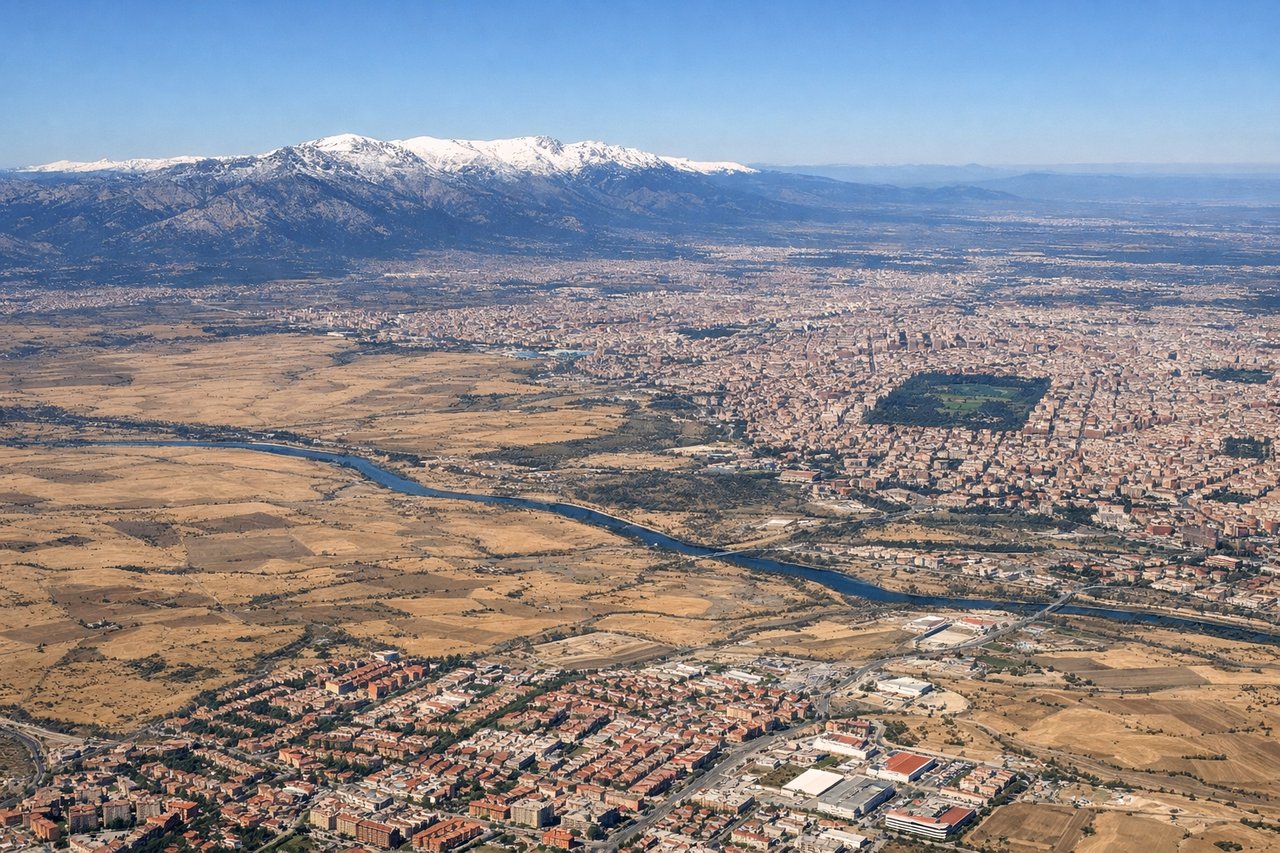
Takeoff from MAD
LEFTMadrid's departure to the west offers views of the Spanish meseta and Sierra de Guadarrama foothills. The right side faces inland plains with minimal relief.
Landing at SJO
RIGHTThe approach to San José descends through Costa Rica's Central Valley with views of the Cordillera Central volcanic peaks and lush green terrain. The left side would show the Pacific coast and Nicoya Peninsula, but the final approach vector typically favors the right (north) side for better landmark visibility.
Landmarks on this routeAll landmarks →
Will your flight be in sunlight?
See exactly which side of the plane gets sun and shade at your departure time.
About This Route
Which side of the plane should I sit on flying from Barajas (MAD) to Juan Santamaria International (SJO)?
Sit on the Right side of the plane for the best views on flights from Madrid to San Jose. The right side scores higher due to the dramatic Costa Rican approach: volcanic peaks of the Cordillera Central, lush tropical terrain, and the scenic descent into the Central Valley basin provide significantly more visual variety and landmark density than Madrid's relatively flat departure over the Spanish meseta. The landing sequence alone outweighs the modest takeoff advantage on the left.
What can I see during takeoff from Barajas in Madrid?
During takeoff from Barajas (MAD), sit on the Left side for the best views. Madrid's departure to the west offers views of the Spanish meseta and Sierra de Guadarrama foothills. The right side faces inland plains with minimal relief. Notable sights include: Sierra de Guadarrama (distant ridge to northwest), Tagus River valley, Madrid urban sprawl fading westward.
What can I see when landing at Juan Santamaria International in San Jose?
When landing at Juan Santamaria International (SJO), sit on the Right side for the best views. The approach to San José descends through Costa Rica's Central Valley with views of the Cordillera Central volcanic peaks and lush green terrain. The left side would show the Pacific coast and Nicoya Peninsula, but the final approach vector typically favors the right (north) side for better landmark visibility. Notable sights include: Cordillera Central volcanic peaks (Poás, Barva), Central Valley agricultural patchwork, San José urban area nestled in highland basin.
How long is the flight from Madrid to San Jose?
The flight from Barajas (MAD) to Juan Santamaria International (SJO) takes 9h 15m.
What does the Madrid to San Jose flight path pass over?
Atlantic Ocean crossing (6+ hours over open water with minimal visual interest), Azores archipelago (if visible at cruise altitude, typically too distant), Caribbean approach with Yucatan Peninsula and Central American coastline becoming visible in final 2 hours, transition from ocean to tropical forest and volcanic highlands