While the left side has the better takeoff view over Manchester and the Pennines, the right side wins overall because the London approach on the right delivers one of the most iconic urban aerial views in the world — the Thames, the City skyline, and Wembley all visible in a single approach. The Cheshire Plain and Midlands en route are relatively flat and unremarkable from either side.
Flight Path
The flight tracks roughly south-southeast over the Cheshire Plain, then across the West Midlands conurbation (Birmingham visible on clear days), the Chiltern Hills, and the outer suburbs of northwest London before the Thames Valley approach into Heathrow. The terrain is predominantly low and agricultural with no dramatic topography between the Pennines and the Chilterns.
Great circle distance and headings ›Phase by phase
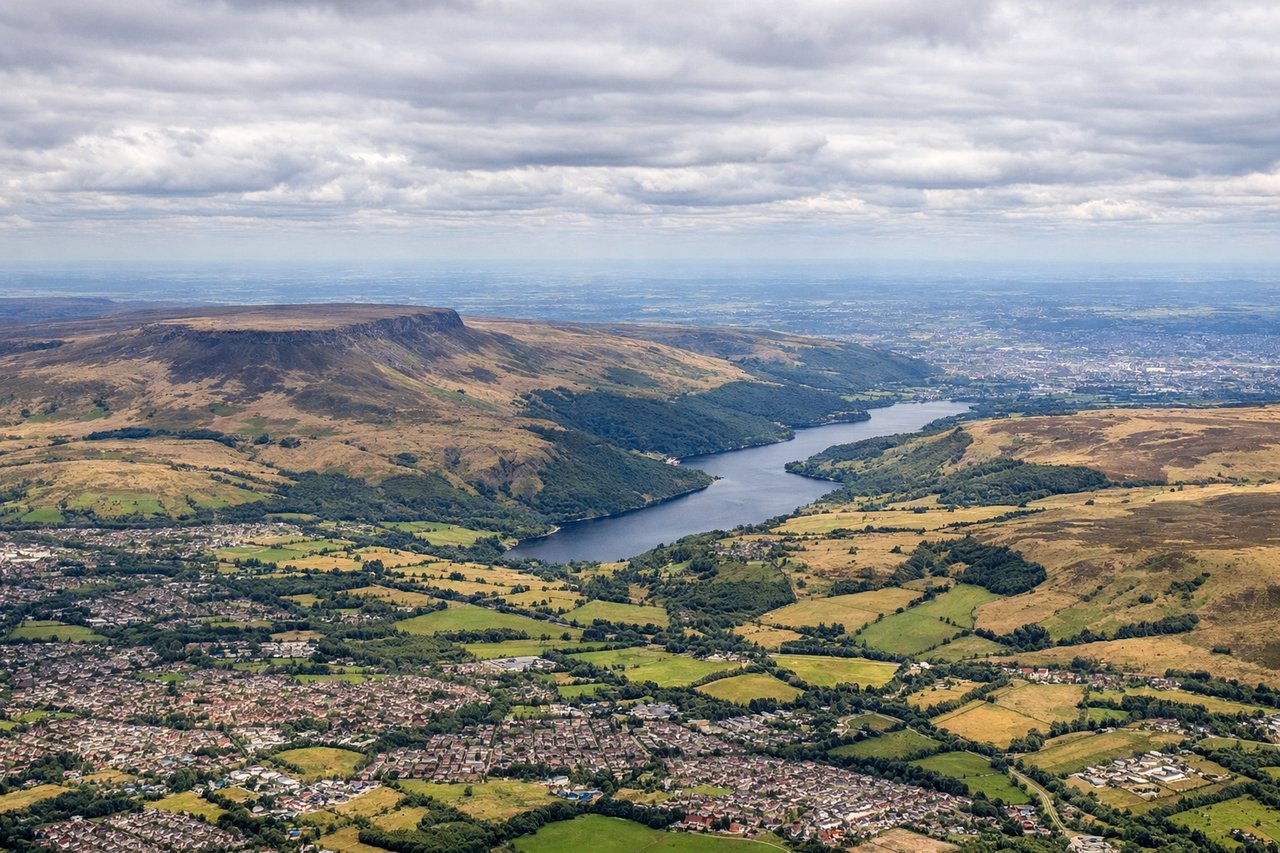
Takeoff from MAN
LEFTManchester typically departs southbound on runway 23L/23R, meaning the left (east) side gives views over the city centre, the Pennines, and the Peak District as the aircraft climbs and turns south. The urban grid of Manchester and Salford is clearly laid out below before the moorland begins.
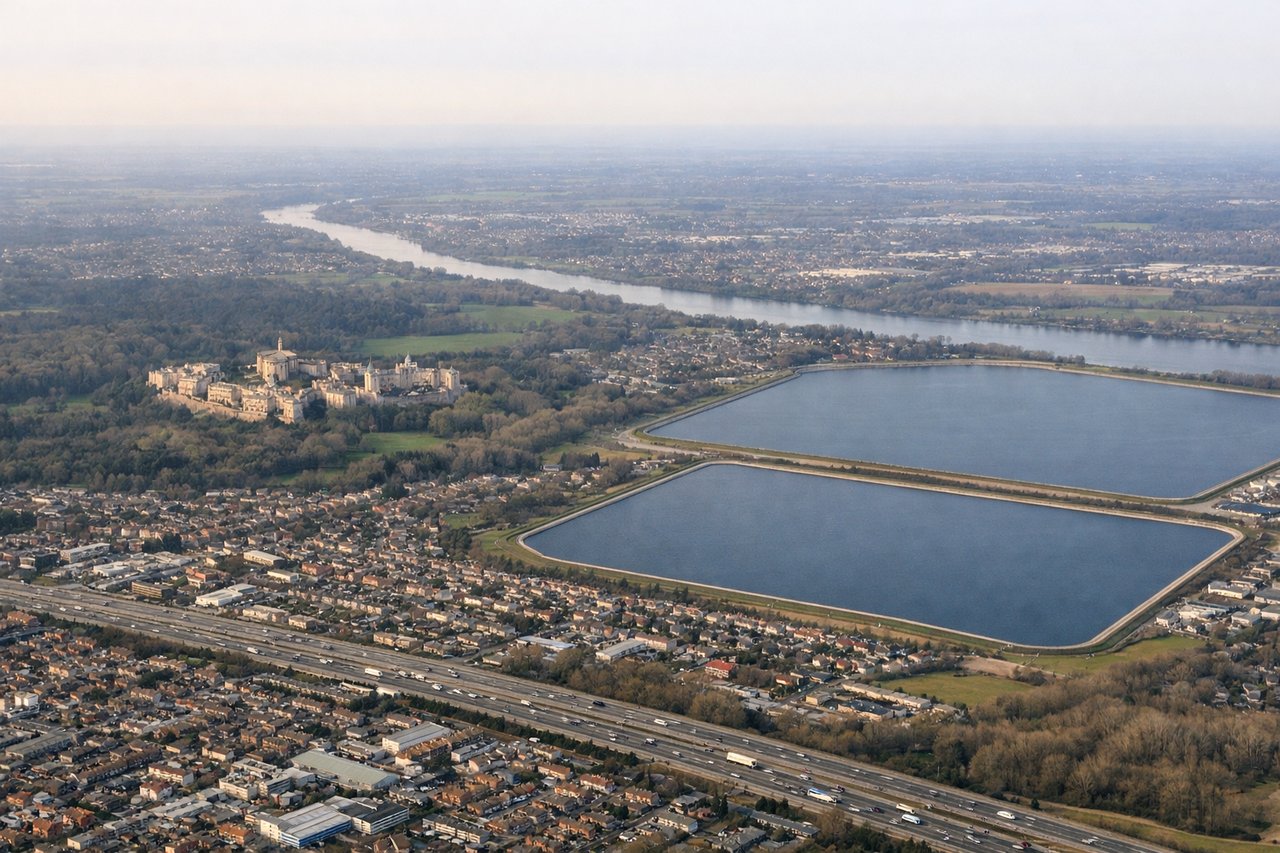
Landing at LHR
RIGHTHeathrow most commonly lands westbound on runway 27L or 27R, with aircraft approaching from the east over London. The right (north) side tracks directly over central London — the Thames, the City, and the West End are all visible on the right during the approach. This is one of the most spectacular urban approaches in Europe.
Landmarks on this routeAll landmarks →
Will your flight be in sunlight?
See exactly which side of the plane gets sun and shade at your departure time.
About This Route
Which side of the plane should I sit on flying from Manchester (MAN) to Heathrow (LHR)?
Sit on the Right side of the plane for the best views on flights from Manchester to London. While the left side has the better takeoff view over Manchester and the Pennines, the right side wins overall because the London approach on the right delivers one of the most iconic urban aerial views in the world — the Thames, the City skyline, and Wembley all visible in a single approach. The Cheshire Plain and Midlands en route are relatively flat and unremarkable from either side.
What can I see during takeoff from Manchester in Manchester?
During takeoff from Manchester (MAN), sit on the Left side for the best views. Manchester typically departs southbound on runway 23L/23R, meaning the left (east) side gives views over the city centre, the Pennines, and the Peak District as the aircraft climbs and turns south. The urban grid of Manchester and Salford is clearly laid out below before the moorland begins. Notable sights include: Manchester city centre and Salford Quays, the Pennine moorlands, the Peak District uplands, Macclesfield and Cheshire Plain.
What can I see when landing at Heathrow in London?
When landing at Heathrow (LHR), sit on the Right side for the best views. Heathrow most commonly lands westbound on runway 27L or 27R, with aircraft approaching from the east over London. The right (north) side tracks directly over central London — the Thames, the City, and the West End are all visible on the right during the approach. This is one of the most spectacular urban approaches in Europe. Notable sights include: The Thames snaking through central London, the City of London skyline, Wembley Stadium, the M25 orbital motorway.
How long is the flight from Manchester to London?
The flight from Manchester (MAN) to Heathrow (LHR) takes Approximately 50-60 minutes.
What does the Manchester to London flight path pass over?
The flight tracks roughly south-southeast over the Cheshire Plain, then across the West Midlands conurbation (Birmingham visible on clear days), the Chiltern Hills, and the outer suburbs of northwest London before the Thames Valley approach into Heathrow. The terrain is predominantly low and agricultural with no dramatic topography between the Pennines and the Chilterns.