The right side wins overall because the great-circle route from Manchester to Chicago passes near the southern tip of Greenland, offering a rare and dramatic view of its ice cap and fjord coastline, plus glimpses of the rugged Labrador coast — features not matched by the largely open-ocean left side.
Flight Path
Southern Greenland's ice cap and fjords near Cape Farewell, the Labrador Sea, and the rugged coastline of Labrador before the route continues over Hudson Bay's southern edge toward the Great Lakes.
Great circle distance and headings ›

Phase by phase
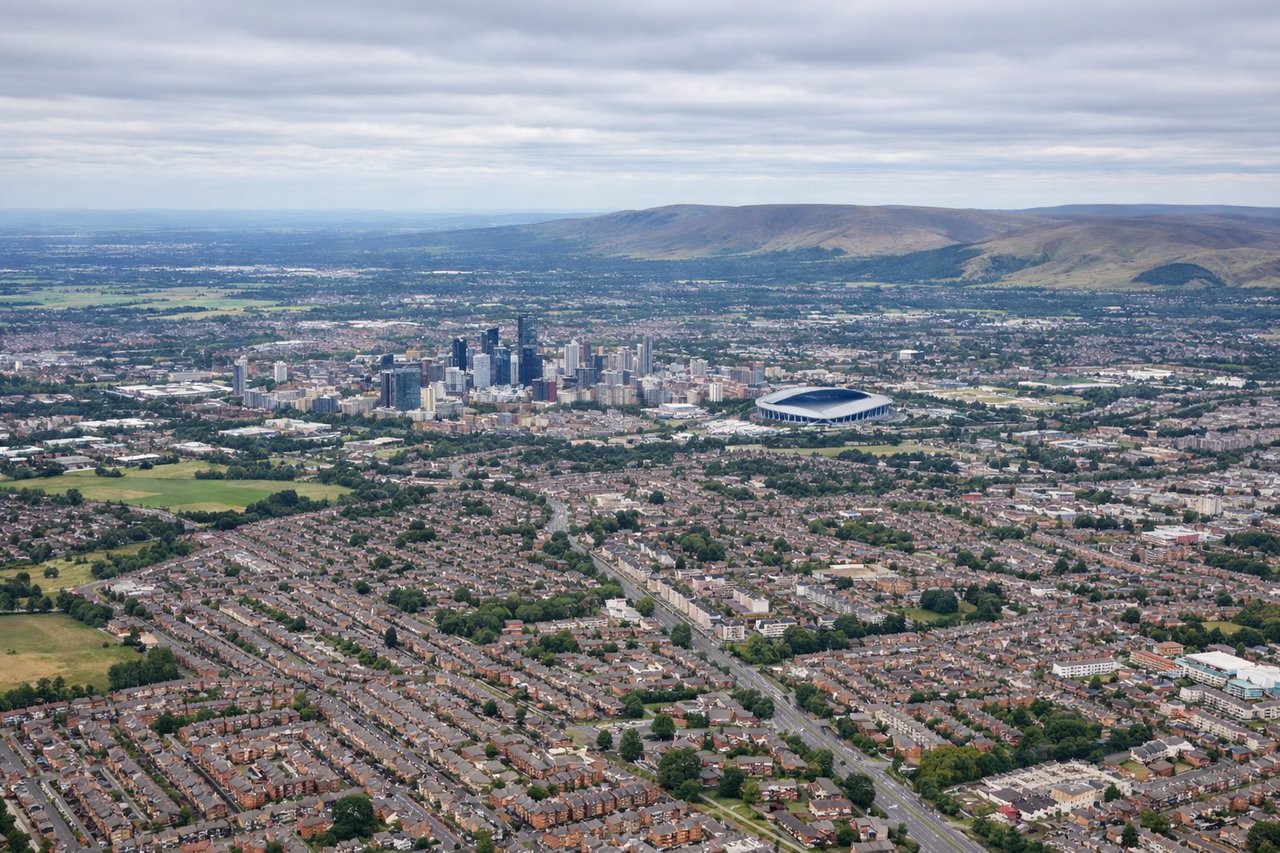
Takeoff from MAN
RIGHTDeparting runway 23 to the southwest, the aircraft typically turns right onto its transatlantic heading, giving right-side passengers a last look at Manchester's city center and the Peak District hills before heading out over the Irish Sea and Northern Ireland coast.
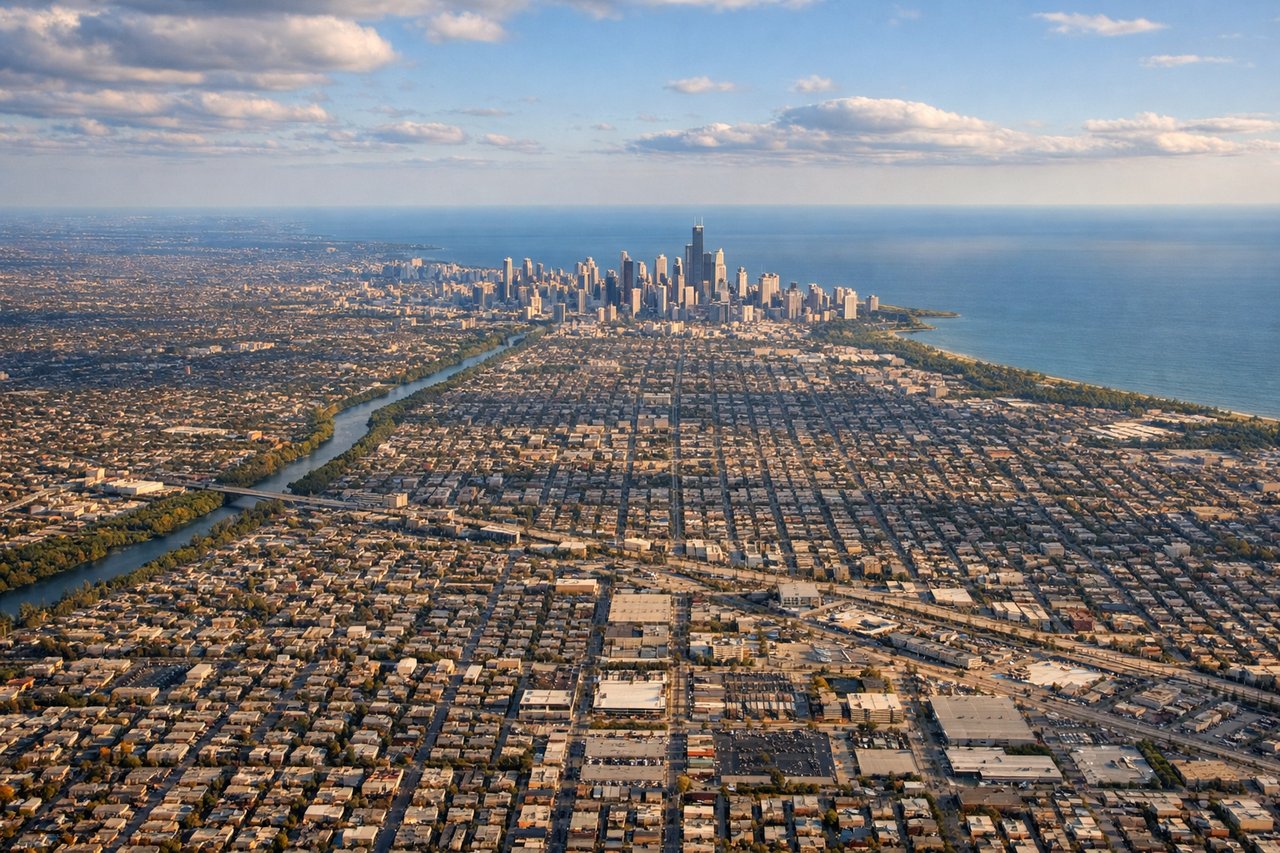
Landing at ORD
LEFTArrivals into ORD from the northeast frequently track down along Lake Michigan before turning onto final approach, putting the Chicago skyline and lakefront on the left side of the aircraft during descent.
Landmarks on this routeAll landmarks →
Will your flight be in sunlight?
See exactly which side of the plane gets sun and shade at your departure time.
About This Route
Which side of the plane should I sit on flying from Manchester (MAN) to Chicago Ohare International (ORD)?
Sit on the Right side of the plane for the best views on flights from Manchester to Chicago. The right side wins overall because the great-circle route from Manchester to Chicago passes near the southern tip of Greenland, offering a rare and dramatic view of its ice cap and fjord coastline, plus glimpses of the rugged Labrador coast — features not matched by the largely open-ocean left side.
What can I see during takeoff from Manchester in Manchester?
During takeoff from Manchester (MAN), sit on the Right side for the best views. Departing runway 23 to the southwest, the aircraft typically turns right onto its transatlantic heading, giving right-side passengers a last look at Manchester's city center and the Peak District hills before heading out over the Irish Sea and Northern Ireland coast. Notable sights include: Manchester city center, Peak District hills, Irish Sea, County Down coastline.
What can I see when landing at Chicago Ohare International in Chicago?
When landing at Chicago Ohare International (ORD), sit on the Left side for the best views. Arrivals into ORD from the northeast frequently track down along Lake Michigan before turning onto final approach, putting the Chicago skyline and lakefront on the left side of the aircraft during descent. Notable sights include: Chicago skyline, Lake Michigan shoreline, Navy Pier, O'Hare's runway grid.
How long is the flight from Manchester to Chicago?
The flight from Manchester (MAN) to Chicago Ohare International (ORD) takes 8h 15m.
What does the Manchester to Chicago flight path pass over?
Southern Greenland's ice cap and fjords near Cape Farewell, the Labrador Sea, and the rugged coastline of Labrador before the route continues over Hudson Bay's southern edge toward the Great Lakes.