Melbourne to Perth is 1,694 miles (2,726 km), a flight of about 4 hours.
The left side wins on both ends of the flight — Port Phillip Bay and Melbourne's skyline at takeoff, then the Swan River, Perth CBD, and Indian Ocean coastline on arrival — while the right side spends most of the flight over the featureless Nullarbor Plain and inland Western Australian scrub.
Flight Path
Great Australian Bight coastline and cliffs, Nullarbor Plain, Eyre Peninsula salt lakes
Great circle distance and headings ›Phase by phase
Takeoff from MBW
LEFTDeparting Moorabbin and turning west, the left side offers views back over Port Phillip Bay and the Melbourne CBD skyline before the aircraft settles onto its westbound track. The right side shows only the flat outer suburbs and farmland of Victoria's interior.
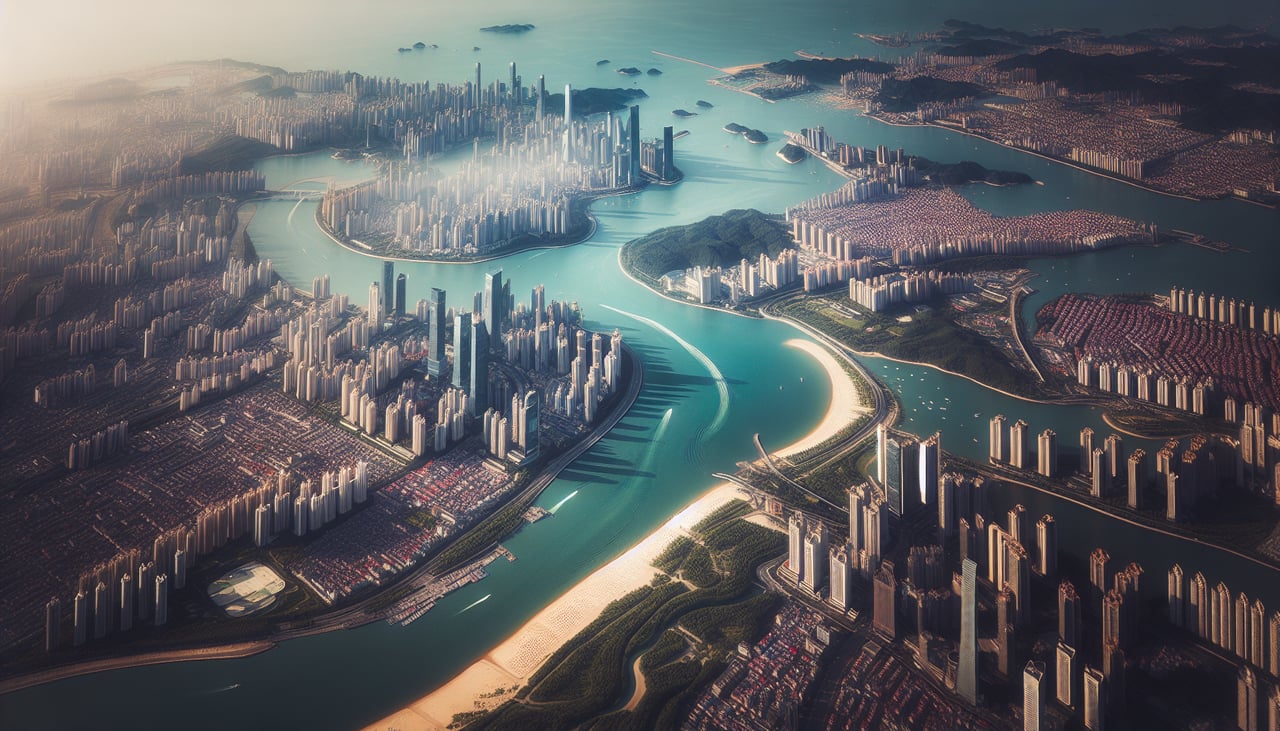
Landing at PER
LEFTOn approach into Perth from the east, the left side reveals the Swan River winding through the city, the Perth CBD towers, and the Indian Ocean coastline beyond — a distinctive and photogenic sequence. The right side during this turn shows only the flat, undeveloped Darling Range foothills.
Will your flight be in sunlight?
Pick a date and time in the Sun Map to watch the sun move across your whole flight.
About This Route
Which side of the plane should I sit on flying from Melbourne Moorabbin (MBW) to Perth International (PER)?
Sit on the Left side of the plane for the best views on flights from Melbourne to Perth. The left side wins on both ends of the flight — Port Phillip Bay and Melbourne's skyline at takeoff, then the Swan River, Perth CBD, and Indian Ocean coastline on arrival — while the right side spends most of the flight over the featureless Nullarbor Plain and inland Western Australian scrub.
What can I see during takeoff from Melbourne Moorabbin in Melbourne?
During takeoff from Melbourne Moorabbin (MBW), sit on the Left side for the best views. Departing Moorabbin and turning west, the left side offers views back over Port Phillip Bay and the Melbourne CBD skyline before the aircraft settles onto its westbound track. The right side shows only the flat outer suburbs and farmland of Victoria's interior. Notable sights include: Port Phillip Bay, Melbourne CBD skyline, Mornington Peninsula coastline.
What can I see when landing at Perth International in Perth?
When landing at Perth International (PER), sit on the Left side for the best views. On approach into Perth from the east, the left side reveals the Swan River winding through the city, the Perth CBD towers, and the Indian Ocean coastline beyond — a distinctive and photogenic sequence. The right side during this turn shows only the flat, undeveloped Darling Range foothills. Notable sights include: Swan River, Perth CBD skyline, Indian Ocean coastline, Rottnest Island (distant).
How long is the flight from Melbourne to Perth?
The flight from Melbourne Moorabbin (MBW) to Perth International (PER) takes about 4 hours. The shortest flight path between them is 1,694 miles (2,726 km); winds and air traffic control usually add a few percent.
What does the Melbourne to Perth flight path pass over?
Great Australian Bight coastline and cliffs, Nullarbor Plain, Eyre Peninsula salt lakes