The left side captures the more memorable bookends of the flight — the Chicago skyline and lakefront on departure, and the Pyrenees-to-coast transition on arrival — while the right side mostly faces open ocean and flat terrain for the bulk of the journey.
Flown MDW to BCN? Did we get it right?
Flight Path
Chicago to Barcelona is 4,408 miles (7,095 km), a flight of about 8 hours 45 minutes.
The route crosses the Great Lakes region, southern Quebec and Labrador, then several hours of open North Atlantic before making landfall near southwestern Ireland and crossing France toward the Pyrenees.
Great circle distance and headings ›


Phase by phase
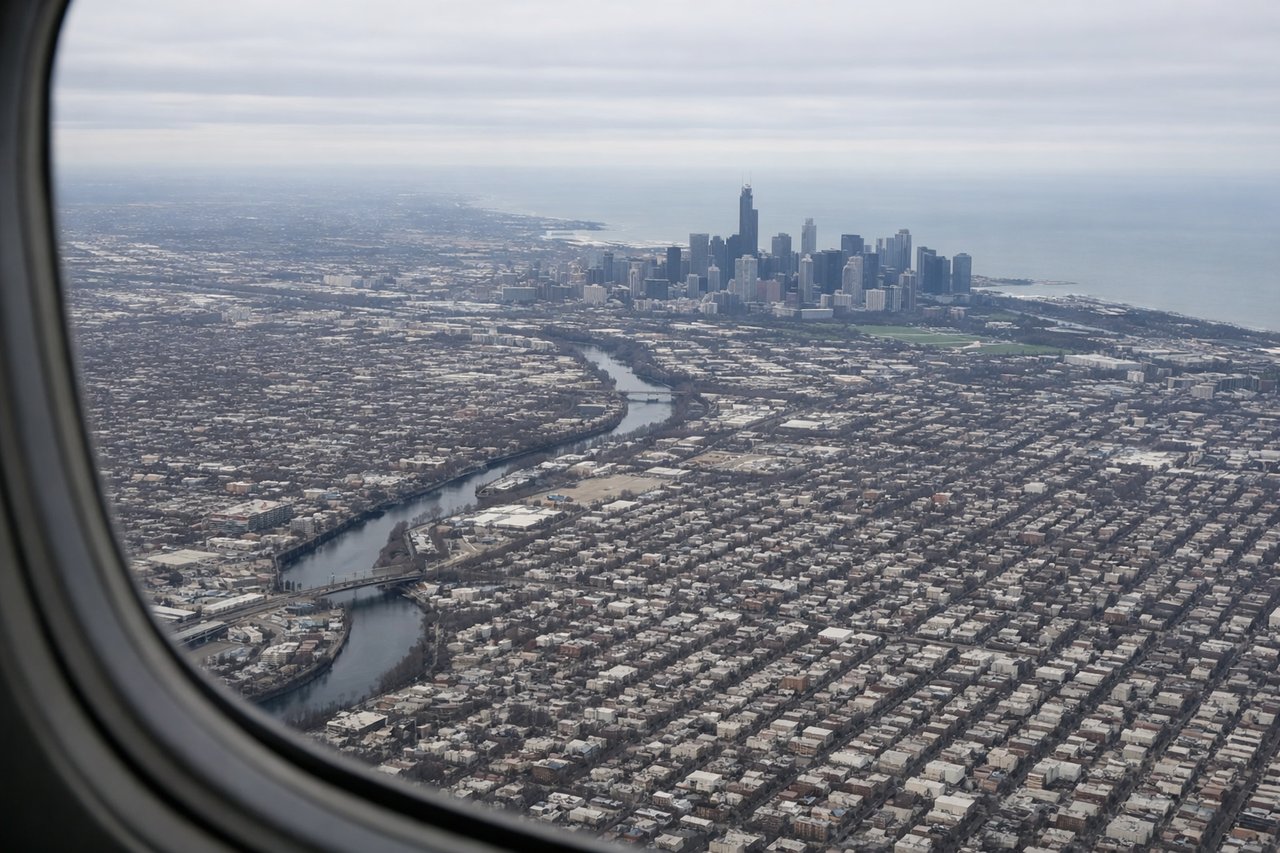
Takeoff from MDW
LEFTDeparting Midway to the southeast before turning northeast toward the transatlantic track, the left side gives passengers a good look back at the Chicago skyline and Lake Michigan's shoreline as the aircraft climbs out over the metro area.
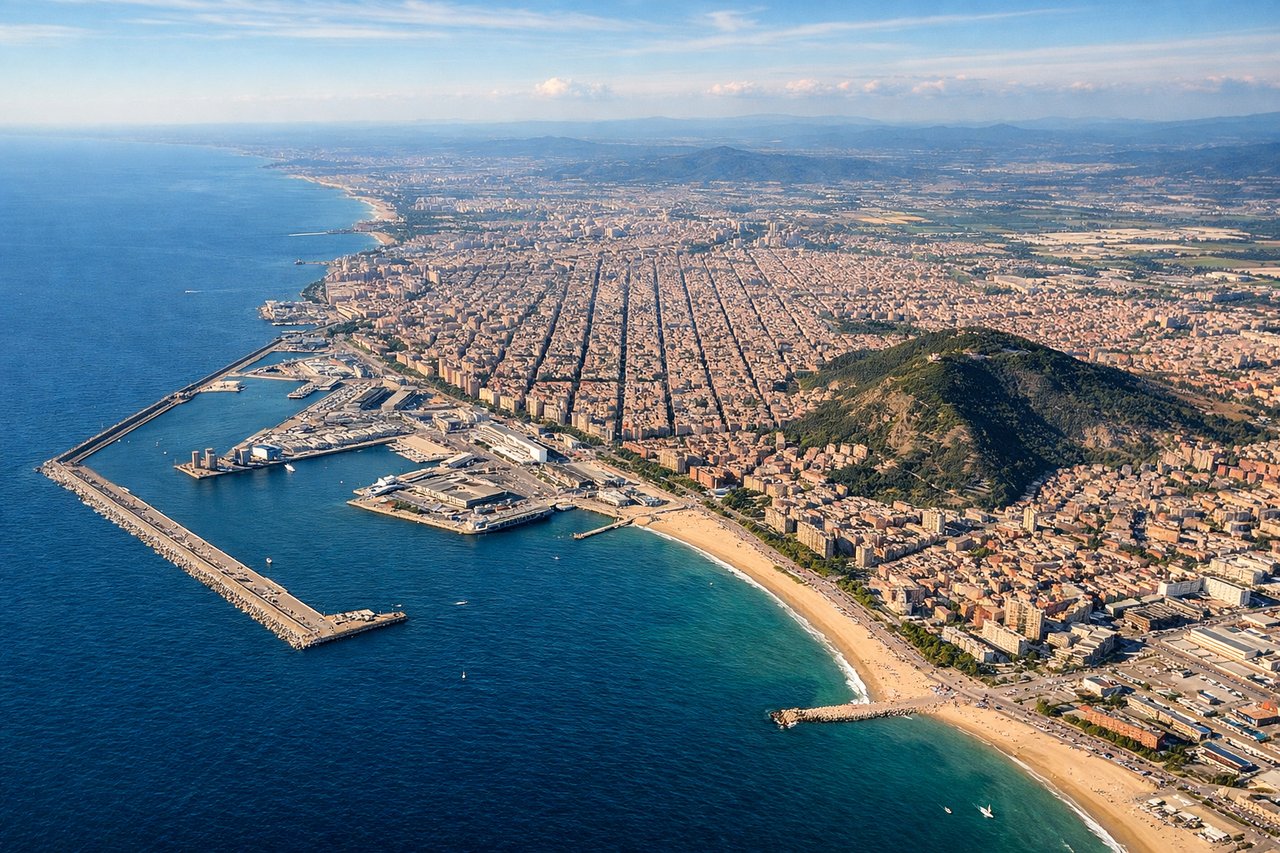
Landing at BCN
LEFTOn the descent into Barcelona, arrivals from the north often cross near the eastern Pyrenees before turning south along the Costa Brava, giving left-side passengers a view of the mountains fading into the approach before the final turn toward the coast.
Will your flight be in sunlight?
Pick a date and time in the Sun Map to watch the sun move across your whole flight.
About This Route
Which side of the plane should I sit on flying from Chicago Midway International (MDW) to Barcelona (BCN)?
Sit on the Left side of the plane for the best views on flights from Chicago to Barcelona. The left side captures the more memorable bookends of the flight — the Chicago skyline and lakefront on departure, and the Pyrenees-to-coast transition on arrival — while the right side mostly faces open ocean and flat terrain for the bulk of the journey.
What can I see during takeoff from Chicago Midway International in Chicago?
During takeoff from Chicago Midway International (MDW), sit on the Left side for the best views. Departing Midway to the southeast before turning northeast toward the transatlantic track, the left side gives passengers a good look back at the Chicago skyline and Lake Michigan's shoreline as the aircraft climbs out over the metro area. Notable sights include: Chicago downtown skyline, Lake Michigan shoreline, Midway's surrounding grid neighborhoods.
What can I see when landing at Barcelona in Barcelona?
When landing at Barcelona (BCN), sit on the Left side for the best views. On the descent into Barcelona, arrivals from the north often cross near the eastern Pyrenees before turning south along the Costa Brava, giving left-side passengers a view of the mountains fading into the approach before the final turn toward the coast. Notable sights include: Eastern Pyrenees foothills, Costa Brava coastline, Barcelona's Collserola ridge, Mediterranean Sea.
How long is the flight from Chicago to Barcelona?
The flight from Chicago Midway International (MDW) to Barcelona (BCN) takes about 8 hours 45 minutes. The shortest flight path between them is 4,408 miles (7,095 km); winds and air traffic control usually add a few percent.
What does the Chicago to Barcelona flight path pass over?
The route crosses the Great Lakes region, southern Quebec and Labrador, then several hours of open North Atlantic before making landfall near southwestern Ireland and crossing France toward the Pyrenees.