The left side wins on both ends of the flight — Lake Michigan and Chicago's skyline at departure, plus the Italian countryside and Apennine foothills on arrival — while also aligning with the northerly bow of the great-circle route over Canada and Greenland during cruise.
Flown MDW to FCO? Did we get it right?
Flight Path
Chicago to Rome is 4,813 miles (7,746 km), a flight of about 9 hours 15 minutes.
Route passes over the Great Lakes, Quebec's Labrador Peninsula, the southern tip of Greenland's ice sheet, and the coasts of Ireland and southern England before crossing into continental Europe toward the Alps and Italy.
Great circle distance and headings ›


Phase by phase
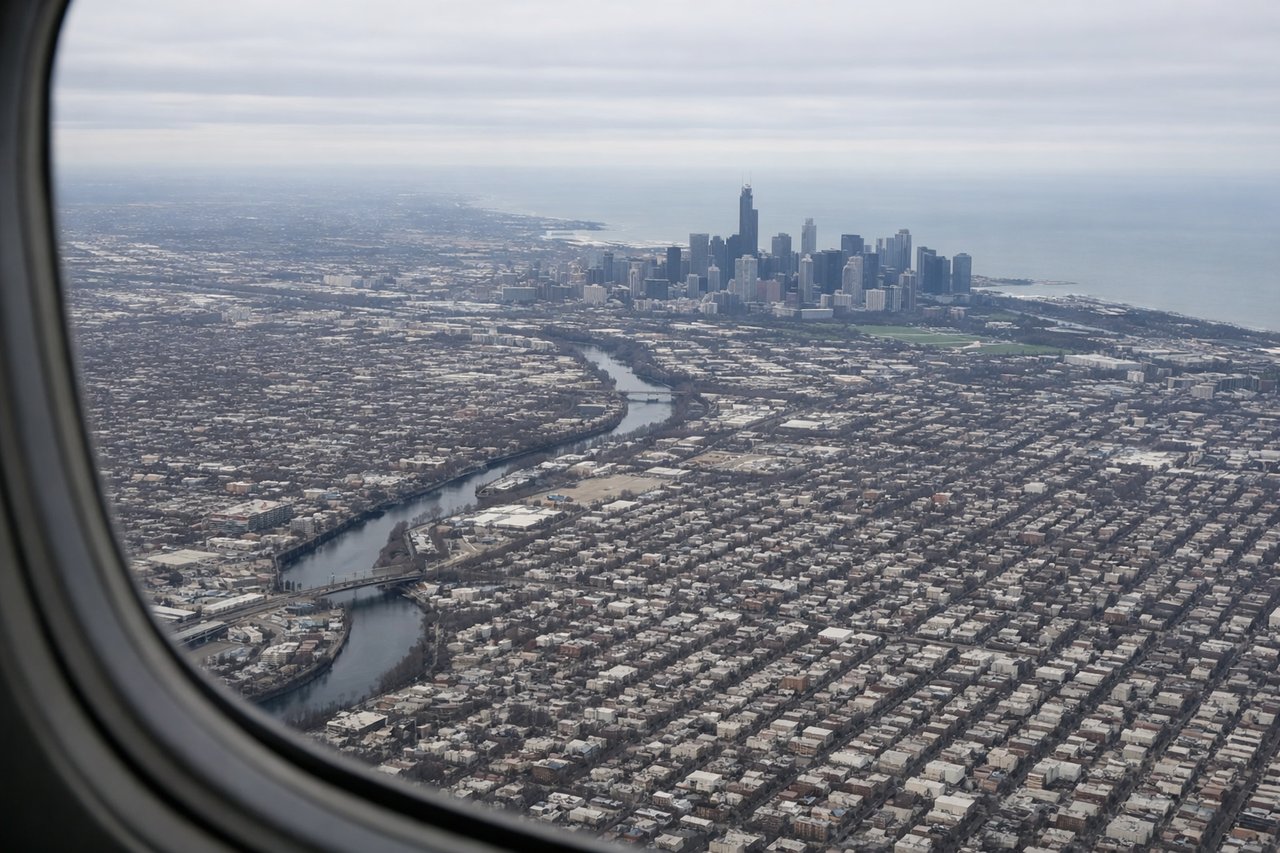
Takeoff from MDW
LEFTDeparting MDW to the northeast, the climb-out puts Lake Michigan and the Chicago skyline on the left side of the aircraft, while the right side shows only flat Illinois farmland and suburban grid patterns.
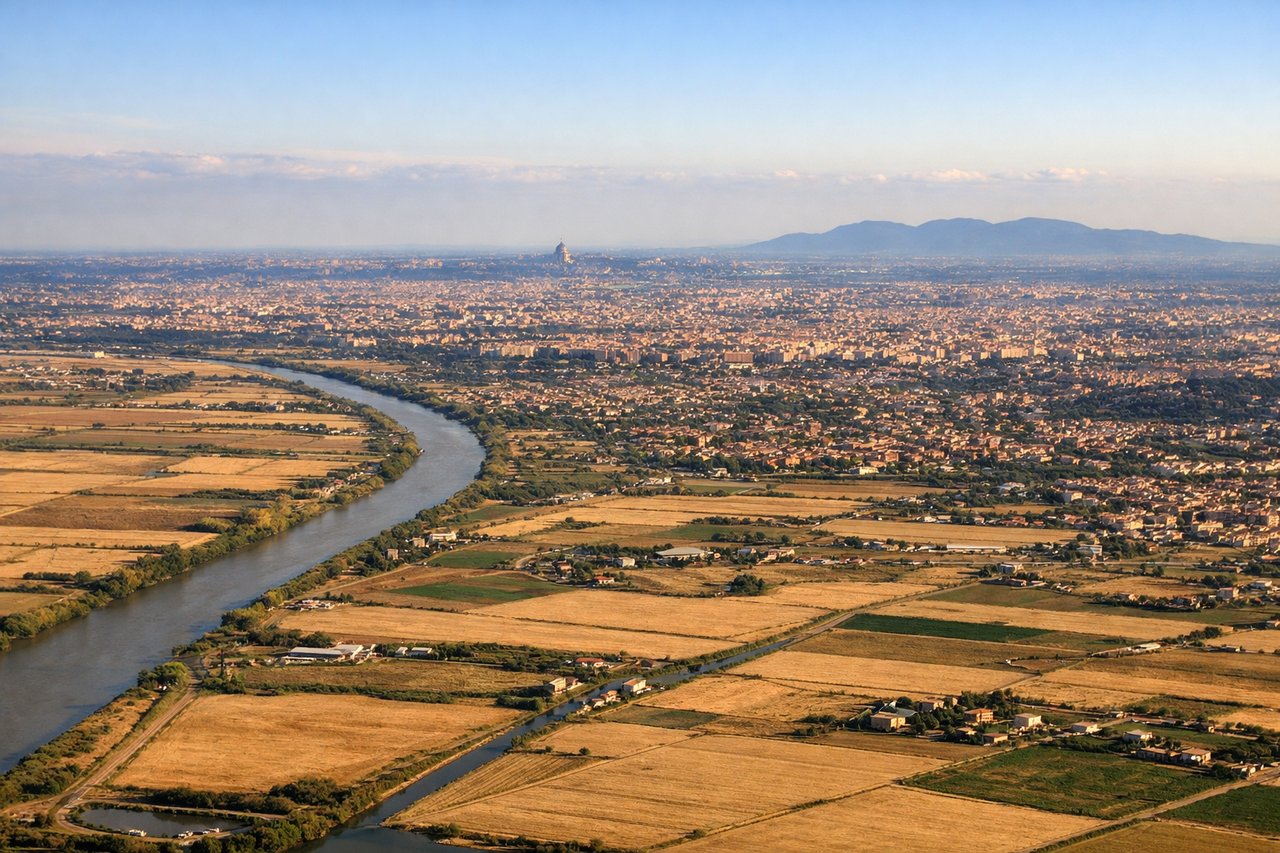
Landing at FCO
LEFTOn approach to FCO from the north, the left side of the aircraft faces east toward the Italian mainland, offering views of the Apennine foothills, the Roman countryside, and glimpses of Rome's outskirts before the final turn onto the runway.
Will your flight be in sunlight?
Pick a date and time in the Sun Map to watch the sun move across your whole flight.
About This Route
Which side of the plane should I sit on flying from Chicago Midway International (MDW) to Fiumicino (FCO)?
Sit on the Left side of the plane for the best views on flights from Chicago to Rome. The left side wins on both ends of the flight — Lake Michigan and Chicago's skyline at departure, plus the Italian countryside and Apennine foothills on arrival — while also aligning with the northerly bow of the great-circle route over Canada and Greenland during cruise.
What can I see during takeoff from Chicago Midway International in Chicago?
During takeoff from Chicago Midway International (MDW), sit on the Left side for the best views. Departing MDW to the northeast, the climb-out puts Lake Michigan and the Chicago skyline on the left side of the aircraft, while the right side shows only flat Illinois farmland and suburban grid patterns. Notable sights include: Chicago skyline (Willis Tower, Loop), Lake Michigan shoreline, Navy Pier area, Chicago's grid-pattern suburbs.
What can I see when landing at Fiumicino in Rome?
When landing at Fiumicino (FCO), sit on the Left side for the best views. On approach to FCO from the north, the left side of the aircraft faces east toward the Italian mainland, offering views of the Apennine foothills, the Roman countryside, and glimpses of Rome's outskirts before the final turn onto the runway. Notable sights include: Apennine foothills, Lake Bracciano, Roman countryside villages, distant Rome skyline haze.
How long is the flight from Chicago to Rome?
The flight from Chicago Midway International (MDW) to Fiumicino (FCO) takes about 9 hours 15 minutes. The shortest flight path between them is 4,813 miles (7,746 km); winds and air traffic control usually add a few percent.
What does the Chicago to Rome flight path pass over?
Route passes over the Great Lakes, Quebec's Labrador Peninsula, the southern tip of Greenland's ice sheet, and the coasts of Ireland and southern England before crossing into continental Europe toward the Alps and Italy.