The right side wins narrowly because the Chicago skyline and lakefront glimpse during departure is a more distinctive, memorable landmark than the smaller Wichita skyline on arrival, even though both sides otherwise fly over uniformly flat Midwestern plains.
Flown MDW to ICT? Did we get it right?
Flight Path
Chicago to Wichita is 588 miles (946 km), a flight of about 1 hour 25 minutes.
Flat agricultural plains of Illinois, Missouri, and eastern Kansas with a patchwork of farmland, small towns, and occasional river valleys such as the Mississippi and Missouri Rivers crossed en route
Great circle distance and headings ›

Phase by phase
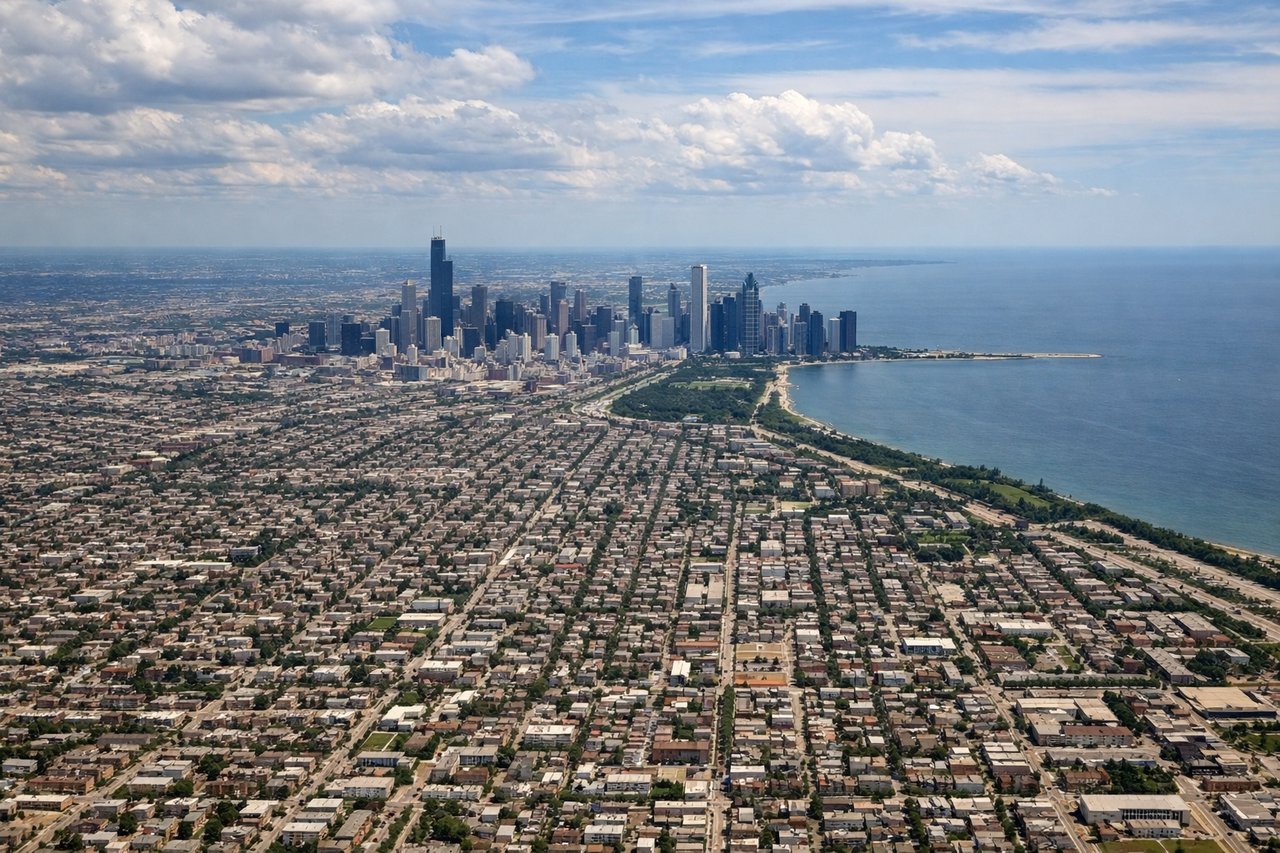
Takeoff from MDW
RIGHTMidway sits just southwest of downtown Chicago, so as the aircraft climbs out and banks toward the southwest, passengers on the right can catch a receding view of the Chicago skyline and Lake Michigan shoreline before the plane turns inland over flat farmland.
Landing at ICT
LEFTOn approach into ICT from the north, the aircraft typically tracks south before turning onto final for runway 19L/19R, giving left-side passengers a clear view of downtown Wichita's modest skyline and the Arkansas River winding through the city just before touchdown.
Will your flight be in sunlight?
Pick a date and time in the Sun Map to watch the sun move across your whole flight.
About This Route
Which side of the plane should I sit on flying from Chicago Midway International (MDW) to Wichita Mid Continent (ICT)?
Sit on the Right side of the plane for the best views on flights from Chicago to Wichita. The right side wins narrowly because the Chicago skyline and lakefront glimpse during departure is a more distinctive, memorable landmark than the smaller Wichita skyline on arrival, even though both sides otherwise fly over uniformly flat Midwestern plains.
What can I see during takeoff from Chicago Midway International in Chicago?
During takeoff from Chicago Midway International (MDW), sit on the Right side for the best views. Midway sits just southwest of downtown Chicago, so as the aircraft climbs out and banks toward the southwest, passengers on the right can catch a receding view of the Chicago skyline and Lake Michigan shoreline before the plane turns inland over flat farmland. Notable sights include: Chicago downtown skyline, Willis Tower area, Lake Michigan shoreline, Midway's surrounding grid of suburbs.
What can I see when landing at Wichita Mid Continent in Wichita?
When landing at Wichita Mid Continent (ICT), sit on the Left side for the best views. On approach into ICT from the north, the aircraft typically tracks south before turning onto final for runway 19L/19R, giving left-side passengers a clear view of downtown Wichita's modest skyline and the Arkansas River winding through the city just before touchdown. Notable sights include: Downtown Wichita skyline, Arkansas River, Century II Center dome, flat Kansas farmland grid.
How long is the flight from Chicago to Wichita?
The flight from Chicago Midway International (MDW) to Wichita Mid Continent (ICT) takes about 1 hour 25 minutes. The shortest flight path between them is 588 miles (946 km); winds and air traffic control usually add a few percent.
What does the Chicago to Wichita flight path pass over?
Flat agricultural plains of Illinois, Missouri, and eastern Kansas with a patchwork of farmland, small towns, and occasional river valleys such as the Mississippi and Missouri Rivers crossed en route