Chicago to Pico is 3,077 miles (4,951 km), a flight of about 6 hours 25 minutes.
Right-side seats capture the superior departure experience over Lake Michigan and Chicago's skyline. While landing favors the left for Pico's volcanic peak, the extended transatlantic flight duration means the takeoff experience carries more weight, and the Lake Michigan views are more dramatic and sustained than the brief final approach to a small island airport.
Flight Path
The flight crosses the North Atlantic at typical cruise altitudes (33,000-35,000 feet). Notable features along the route include: the Grand Banks southeast of Newfoundland (not visible at cruise altitude but relevant to flight path), the Mid-Atlantic Ridge system (underwater, not visible), and the approach to the Azores archipelago. The Azores themselves become visible roughly 1-2 hours before landing—first as distant peaks on the horizon, then gradually resolving into the individual islands of the central group (São Jorge, Pico, Faial) as descent begins. The eastern Atlantic basin is featureless at cruise altitude, with only ocean and occasional cloud formations visible for the majority of the transatlantic segment.
Great circle distance and headings ›

.jpeg?width=600)

Phase by phase
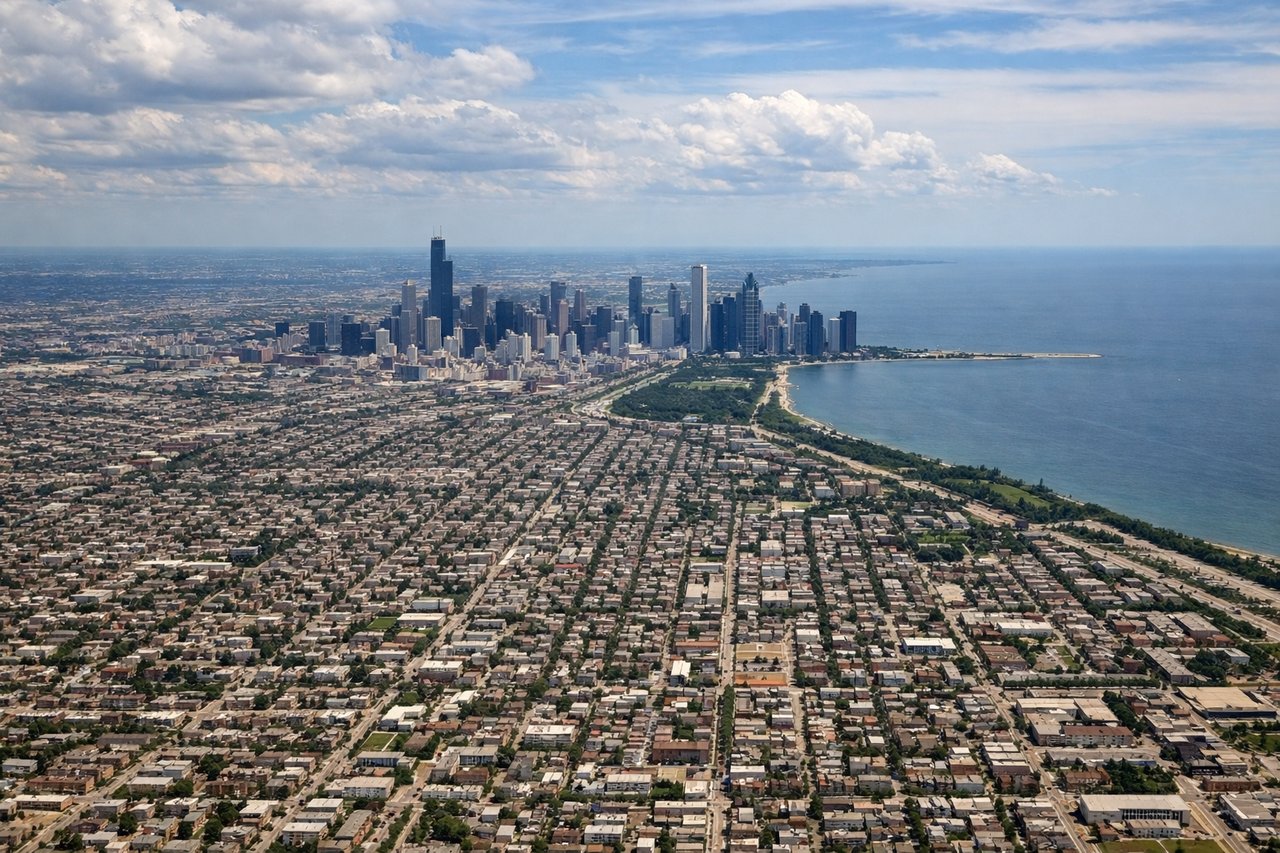
Takeoff from MDW
RIGHTMDW typically departs eastbound (Runways 04L/04R or 22L/22R depending on wind). Right-side seats offer views of Lake Michigan's shoreline and the Chicago downtown skyline receding eastward during climb-out. Left seats face inland toward the industrial southwest suburbs.
Landing at PIX
LEFTApproaching PIX on Pico Island, aircraft typically descend from the northwest over the Atlantic. Left-side seats provide views of the volcanic landscape of Pico itself—the distinctive conical peak and surrounding calderas dominate the approach. Right seats face toward the neighboring islands of Faial and São Jorge across the channel.
Landmarks on this routeAll landmarks →
Will your flight be in sunlight?
Pick a date and time in the Sun Map to watch the sun move across your whole flight.
About This Route
Which side of the plane should I sit on flying from Chicago Midway International (MDW) to Pico (PIX)?
Sit on the Right side of the plane for the best views on flights from Chicago to Pico. Right-side seats capture the superior departure experience over Lake Michigan and Chicago's skyline. While landing favors the left for Pico's volcanic peak, the extended transatlantic flight duration means the takeoff experience carries more weight, and the Lake Michigan views are more dramatic and sustained than the brief final approach to a small island airport.
What can I see during takeoff from Chicago Midway International in Chicago?
During takeoff from Chicago Midway International (MDW), sit on the Right side for the best views. MDW typically departs eastbound (Runways 04L/04R or 22L/22R depending on wind). Right-side seats offer views of Lake Michigan's shoreline and the Chicago downtown skyline receding eastward during climb-out. Left seats face inland toward the industrial southwest suburbs. Notable sights include: Lake Michigan (immediate eastern boundary), Chicago downtown skyline (Loop district visible as cluster of tall structures), Indiana shoreline (distant southern horizon), Calumet River industrial zone (foreground southwest).
What can I see when landing at Pico in Pico?
When landing at Pico (PIX), sit on the Left side for the best views. Approaching PIX on Pico Island, aircraft typically descend from the northwest over the Atlantic. Left-side seats provide views of the volcanic landscape of Pico itself—the distinctive conical peak and surrounding calderas dominate the approach. Right seats face toward the neighboring islands of Faial and São Jorge across the channel. Notable sights include: Pico Mountain (2,351 m volcanic cone, the primary landmark), Caldeira do Pico (crater depression on summit), Atlantic Ocean (surrounding waters), Faial Island (visible across channel to the south).
How long is the flight from Chicago to Pico?
The flight from Chicago Midway International (MDW) to Pico (PIX) takes about 6 hours 25 minutes. The shortest flight path between them is 3,077 miles (4,951 km); winds and air traffic control usually add a few percent.
What does the Chicago to Pico flight path pass over?
The flight crosses the North Atlantic at typical cruise altitudes (33,000-35,000 feet). Notable features along the route include: the Grand Banks southeast of Newfoundland (not visible at cruise altitude but relevant to flight path), the Mid-Atlantic Ridge system (underwater, not visible), and the approach to the Azores archipelago. The Azores themselves become visible roughly 1-2 hours before landing—first as distant peaks on the horizon, then gradually resolving into the individual islands of the central group (São Jorge, Pico, Faial) as descent begins. The eastern Atlantic basin is featureless at cruise altitude, with only ocean and occasional cloud formations visible for the majority of the transatlantic segment.