Takeoff views of Lake Michigan and Chicago's iconic waterfront are more visually distinctive than landing views. While the Cordillera Central is impressive on descent, the Lake Michigan departure offers clearer, more recognizable urban and water scenery.
Flown MDW to SJO? Did we get it right?
Flight Path
Chicago to San Jose is 2,207 miles (3,552 km), a flight of about 4 hours 15 minutes.
The flight path crosses the Mississippi River valley (visible around 1.5 hours out), the Ozark plateau region of Missouri and Arkansas, the Gulf of Mexico coastline near the Yucatan Peninsula, and the Mesoamerican Barrier Reef system before reaching Central America. The Gulf crossing offers extended water views with occasional tropical cloud formations.
Great circle distance and headings ›

Phase by phase
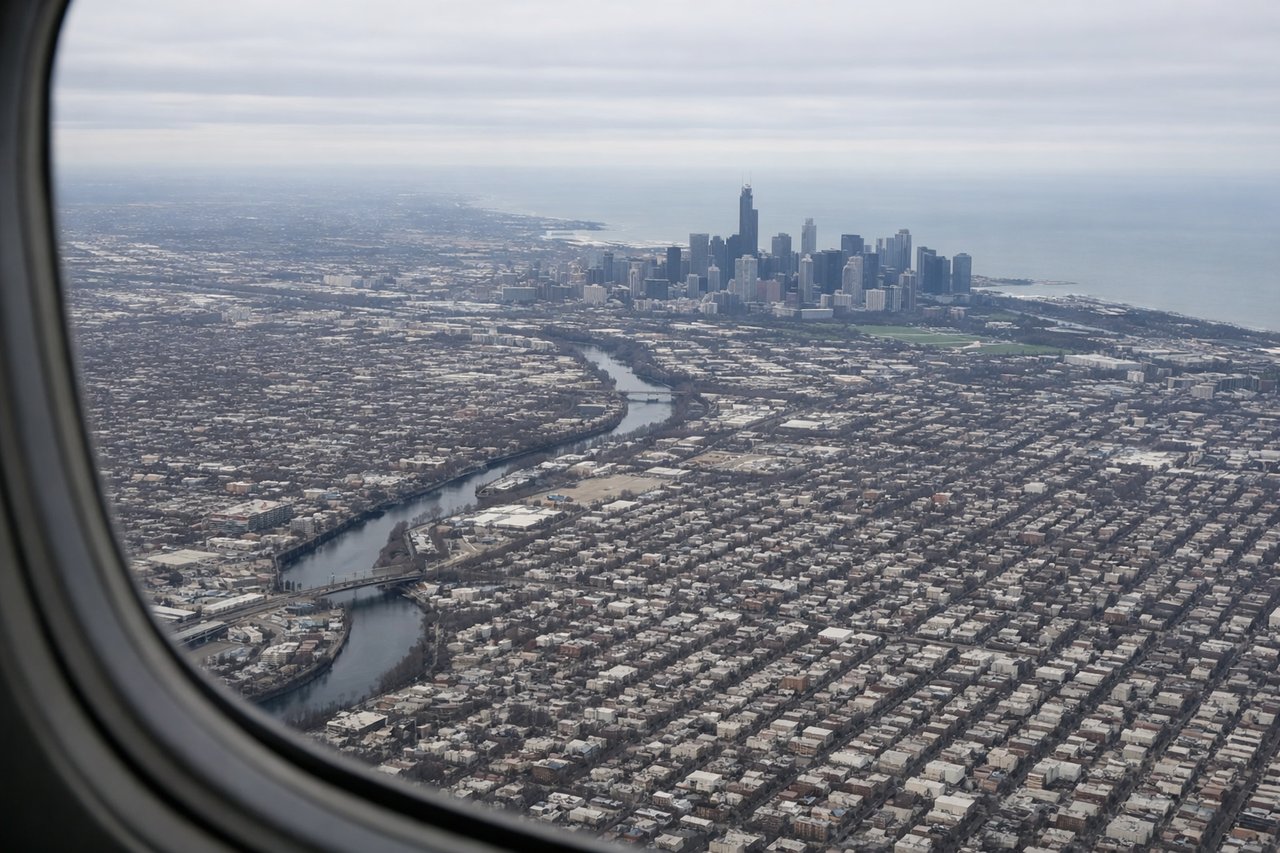
Takeoff from MDW
LEFTLeft side offers views of Lake Michigan immediately after departure, with the Chicago shoreline and downtown skyline visible during climb-out. Right side faces inland toward suburban sprawl with minimal scenic value.
Landing at SJO
RIGHTRight side provides views of the Central Valley approach into San Jose, including the Cordillera Central mountains rising to the east and the valley floor with agricultural patterns. Left side faces the Pacific coastal plains with less dramatic terrain.
Will your flight be in sunlight?
Pick a date and time in the Sun Map to watch the sun move across your whole flight.
About This Route
Which side of the plane should I sit on flying from Chicago Midway International (MDW) to Juan Santamaria International (SJO)?
Sit on the Left side of the plane for the best views on flights from Chicago to San Jose. Takeoff views of Lake Michigan and Chicago's iconic waterfront are more visually distinctive than landing views. While the Cordillera Central is impressive on descent, the Lake Michigan departure offers clearer, more recognizable urban and water scenery.
What can I see during takeoff from Chicago Midway International in Chicago?
During takeoff from Chicago Midway International (MDW), sit on the Left side for the best views. Left side offers views of Lake Michigan immediately after departure, with the Chicago shoreline and downtown skyline visible during climb-out. Right side faces inland toward suburban sprawl with minimal scenic value. Notable sights include: Lake Michigan, Chicago downtown skyline, Indiana shoreline to the southeast.
What can I see when landing at Juan Santamaria International in San Jose?
When landing at Juan Santamaria International (SJO), sit on the Right side for the best views. Right side provides views of the Central Valley approach into San Jose, including the Cordillera Central mountains rising to the east and the valley floor with agricultural patterns. Left side faces the Pacific coastal plains with less dramatic terrain. Notable sights include: Cordillera Central mountain range, Central Valley agricultural grid, San Jose metropolitan area.
How long is the flight from Chicago to San Jose?
The flight from Chicago Midway International (MDW) to Juan Santamaria International (SJO) takes about 4 hours 15 minutes. The shortest flight path between them is 2,207 miles (3,552 km); winds and air traffic control usually add a few percent.
What does the Chicago to San Jose flight path pass over?
The flight path crosses the Mississippi River valley (visible around 1.5 hours out), the Ozark plateau region of Missouri and Arkansas, the Gulf of Mexico coastline near the Yucatan Peninsula, and the Mesoamerican Barrier Reef system before reaching Central America. The Gulf crossing offers extended water views with occasional tropical cloud formations.