While both sides score equally at 2.5, the right side edges ahead for the full flight experience. The right side captures Port Phillip Bay's visual drama during takeoff and maintains better scenery during the long cruise phase over the Indian Ocean and Southern Ocean (though ocean-dominated, the right side's departure sequence is superior). The left side's landing approach over Dublin Bay is scenic but cannot fully compensate for the extended ocean crossing that dominates both sides during cruise. Right-side seats offer the more memorable bookend experiences.
Flown MEL to DUB? Did we get it right?
Flight Path
Melbourne to Dublin is 10,685 miles (17,196 km), a flight of about 17 hours 15 minutes.
Southern Ocean (vast open water, no landmarks), Kerguelen Islands region (rarely visible, far south of typical routing), Indian Ocean crossing, southern Africa coast (Mozambique Channel area if routed north), Madagascar (if northern routing used), East African coast, Red Sea or Suez Canal approach, Mediterranean Sea, North African coast, European continent, Bay of Biscay, Irish Sea approach to Dublin
Great circle distance and headings ›Phase by phase
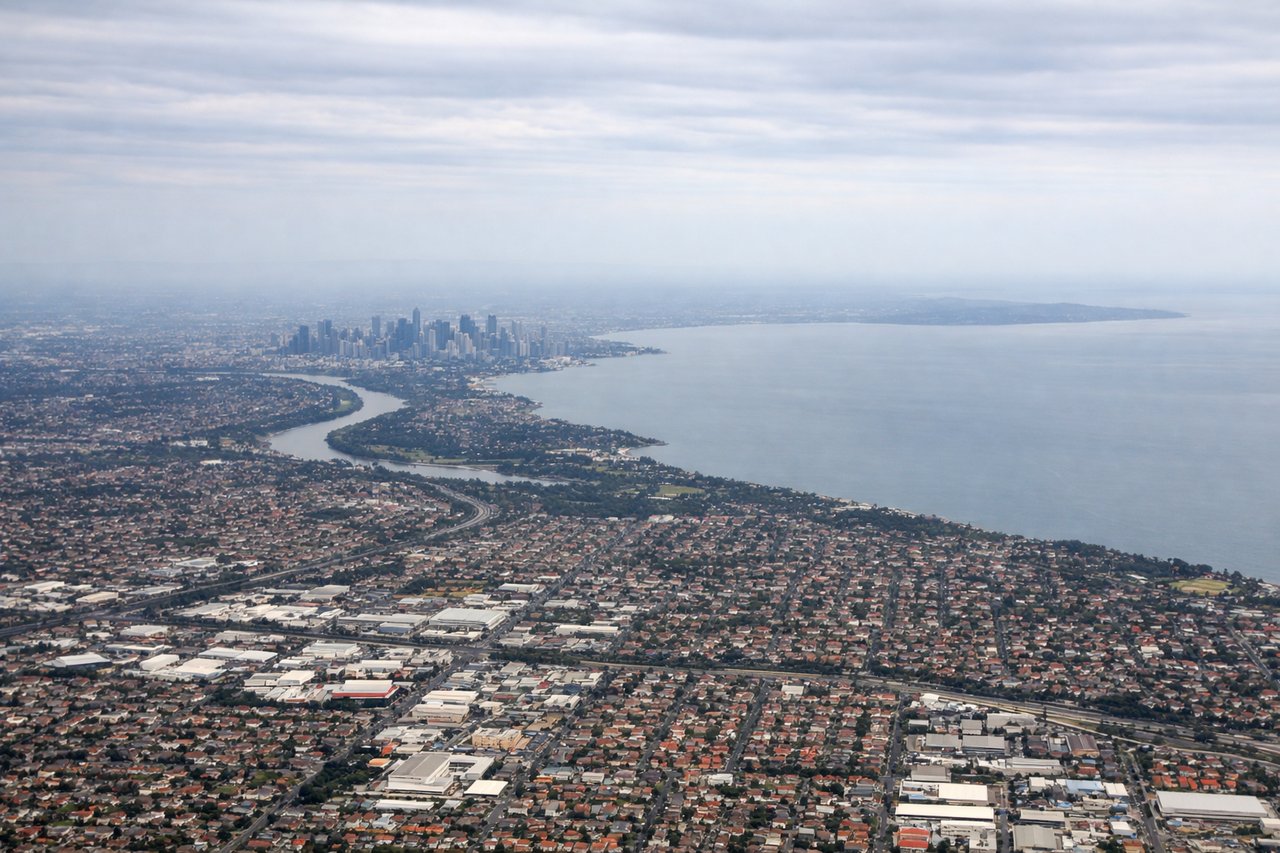
Takeoff from MEL
RIGHTMelbourne's southern suburbs and Port Phillip Bay are visible on the right during typical southbound departures on runway 34. The bay's distinctive coastline and urban sprawl provide more immediate visual interest than the flat inland plains to the left.
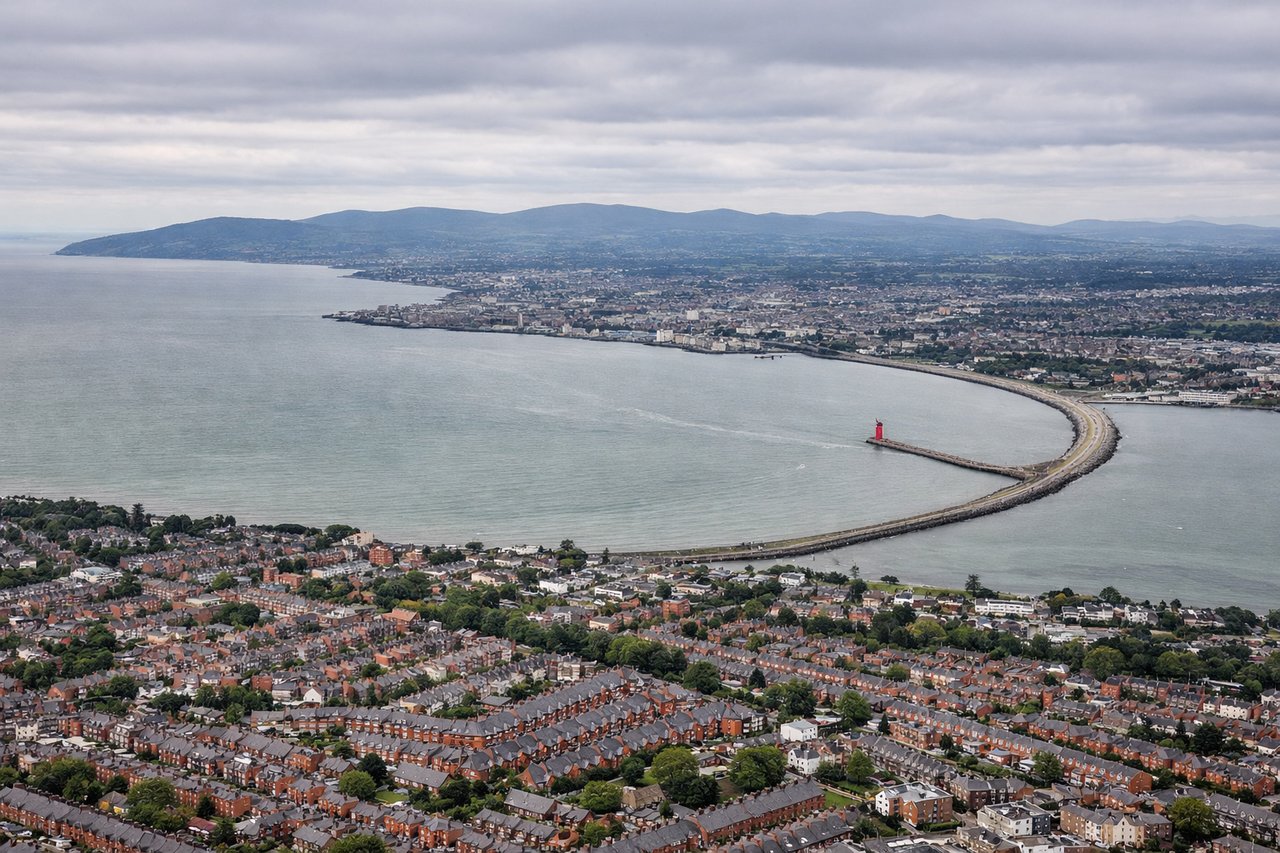
Landing at DUB
LEFTApproaching Dublin from the east typically means descending over the Irish Sea and the Dublin Bay area. The left side captures Dublin Bay's distinctive geography, the Wicklow Mountains to the south, and the city's harbor and coastal features during final approach to runways 28L/28R.
Will your flight be in sunlight?
Pick a date and time in the Sun Map to watch the sun move across your whole flight.
About This Route
Which side of the plane should I sit on flying from Melbourne International (MEL) to Dublin (DUB)?
Sit on the Right side of the plane for the best views on flights from Melbourne to Dublin. While both sides score equally at 2.5, the right side edges ahead for the full flight experience. The right side captures Port Phillip Bay's visual drama during takeoff and maintains better scenery during the long cruise phase over the Indian Ocean and Southern Ocean (though ocean-dominated, the right side's departure sequence is superior). The left side's landing approach over Dublin Bay is scenic but cannot fully compensate for the extended ocean crossing that dominates both sides during cruise. Right-side seats offer the more memorable bookend experiences.
What can I see during takeoff from Melbourne International in Melbourne?
During takeoff from Melbourne International (MEL), sit on the Right side for the best views. Melbourne's southern suburbs and Port Phillip Bay are visible on the right during typical southbound departures on runway 34. The bay's distinctive coastline and urban sprawl provide more immediate visual interest than the flat inland plains to the left. Notable sights include: Port Phillip Bay, Melbourne CBD skyline, Dandenong Ranges (distant, left horizon), suburban sprawl of outer Melbourne.
What can I see when landing at Dublin in Dublin?
When landing at Dublin (DUB), sit on the Left side for the best views. Approaching Dublin from the east typically means descending over the Irish Sea and the Dublin Bay area. The left side captures Dublin Bay's distinctive geography, the Wicklow Mountains to the south, and the city's harbor and coastal features during final approach to runways 28L/28R. Notable sights include: Dublin Bay, Wicklow Mountains, Dublin city center and docklands, Irish coastline.
How long is the flight from Melbourne to Dublin?
The flight from Melbourne International (MEL) to Dublin (DUB) takes about 17 hours 15 minutes. The shortest flight path between them is 10,685 miles (17,196 km); winds and air traffic control usually add a few percent.
What does the Melbourne to Dublin flight path pass over?
Southern Ocean (vast open water, no landmarks), Kerguelen Islands region (rarely visible, far south of typical routing), Indian Ocean crossing, southern Africa coast (Mozambique Channel area if routed north), Madagascar (if northern routing used), East African coast, Red Sea or Suez Canal approach, Mediterranean Sea, North African coast, European continent, Bay of Biscay, Irish Sea approach to Dublin