The right side wins narrowly thanks to the Melbourne bay and skyline view at departure and the dramatic Singapore Strait and Marina Bay approach at landing, since the long cruise over central Australia's flat outback and the Timor Sea offers little scenery on either side.
Flight Path
Central Australian outback (Northern Territory desert plains), the Timor Sea, and the islands of eastern Indonesia including Timor and parts of the Java Sea before the final approach into Singapore
Great circle distance and headings ›

Phase by phase
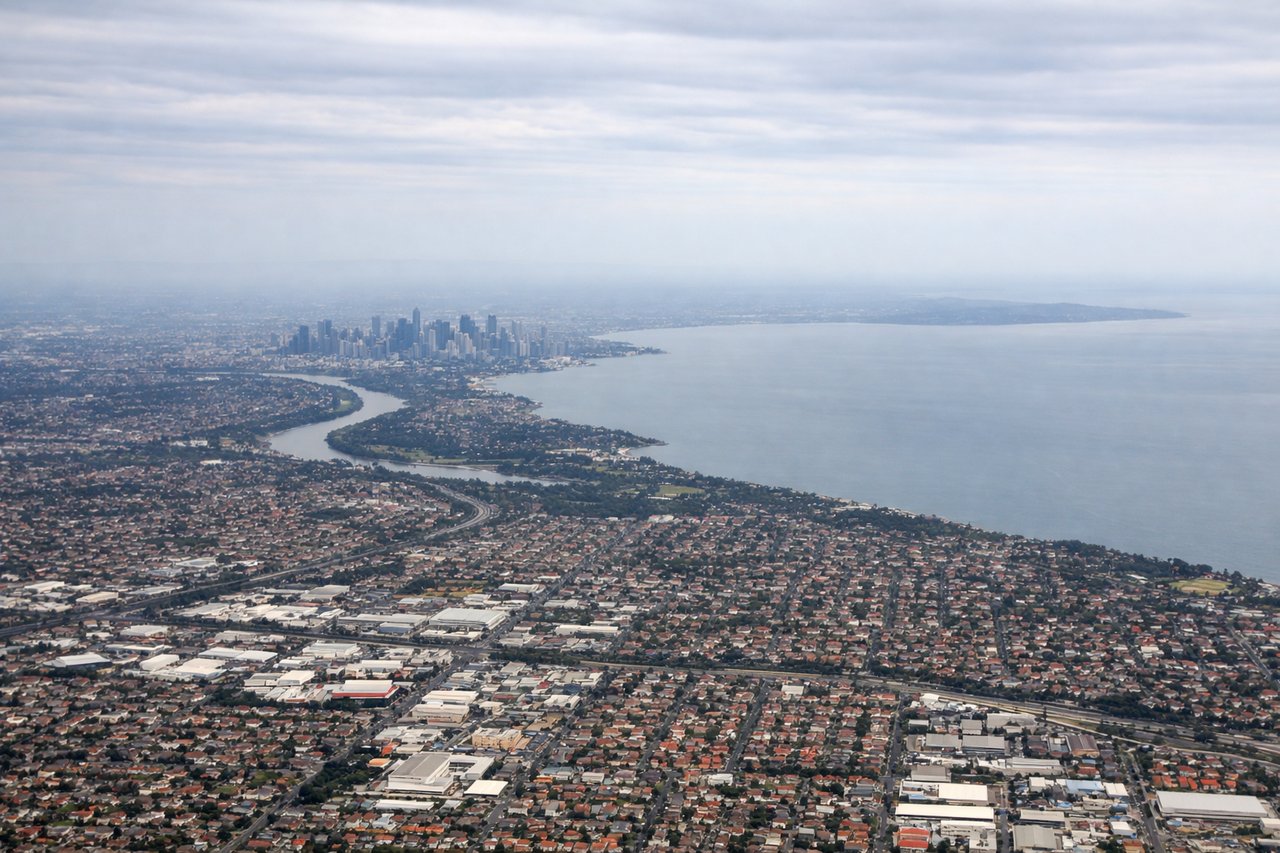
Takeoff from MEL
RIGHTDeparting MEL on runway 34, the climb-out banks the aircraft toward the coast, giving right-side passengers a good look at Port Phillip Bay and Melbourne's CBD skyline before the turn northwest toward the outback.
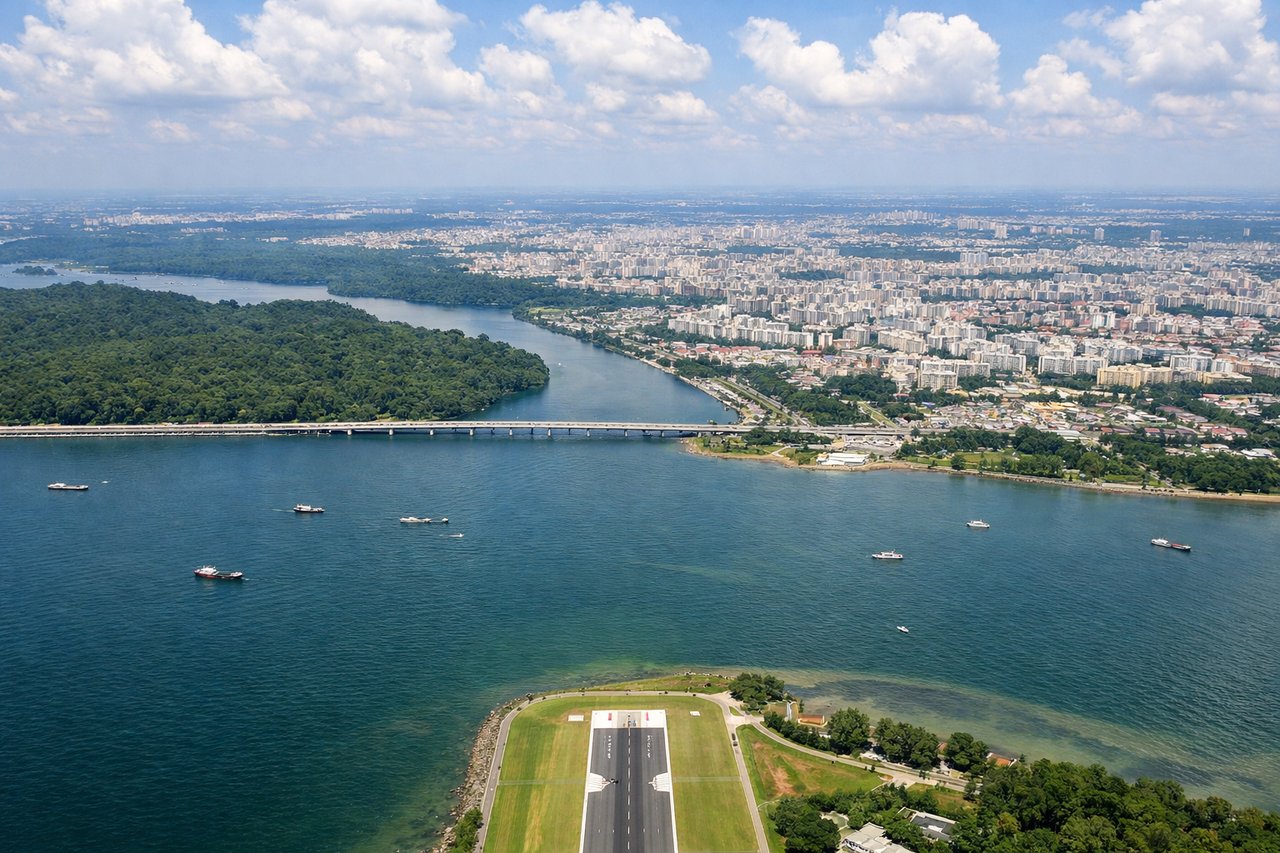
Landing at XSP
RIGHTApproaches into Seletar typically track up from the south over the Singapore Strait, so the right side offers a sweeping view of the Marina Bay skyline, the container ports, and the strait's shipping lanes just before touchdown.
Landmarks on this routeAll landmarks →
Will your flight be in sunlight?
See exactly which side of the plane gets sun and shade at your departure time.
About This Route
Which side of the plane should I sit on flying from Melbourne International (MEL) to Seletar (XSP)?
Sit on the Right side of the plane for the best views on flights from Melbourne to Singapore. The right side wins narrowly thanks to the Melbourne bay and skyline view at departure and the dramatic Singapore Strait and Marina Bay approach at landing, since the long cruise over central Australia's flat outback and the Timor Sea offers little scenery on either side.
What can I see during takeoff from Melbourne International in Melbourne?
During takeoff from Melbourne International (MEL), sit on the Right side for the best views. Departing MEL on runway 34, the climb-out banks the aircraft toward the coast, giving right-side passengers a good look at Port Phillip Bay and Melbourne's CBD skyline before the turn northwest toward the outback. Notable sights include: Port Phillip Bay, Melbourne CBD skyline, Yarra River mouth, Bass Strait coastline.
What can I see when landing at Seletar in Singapore?
When landing at Seletar (XSP), sit on the Right side for the best views. Approaches into Seletar typically track up from the south over the Singapore Strait, so the right side offers a sweeping view of the Marina Bay skyline, the container ports, and the strait's shipping lanes just before touchdown. Notable sights include: Marina Bay skyline, Singapore Strait shipping lanes, Sentosa Island, Jurong Port area.
How long is the flight from Melbourne to Singapore?
The flight from Melbourne International (MEL) to Seletar (XSP) takes 8h 05m.
What does the Melbourne to Singapore flight path pass over?
Central Australian outback (Northern Territory desert plains), the Timor Sea, and the islands of eastern Indonesia including Timor and parts of the Java Sea before the final approach into Singapore