The left side captures the spectacular volcanic departure from Mexico City with Popocatépetl and Iztaccíhuatl, and also offers views over the Gulf of Mexico coastline and later the Atlantic. The right side has the better Alpine arrival view, but the volcanic scenery at departure is the single most dramatic moment of the flight.
Flown MEX to MUC? Did we get it right?
Flight Path
Mexico City to Munich is 6,117 miles (9,845 km), a flight of about 12 hours 30 minutes.
After departing Mexico City the route tracks northeast over the Gulf of Mexico, crossing Cuba and the Caribbean. It then crosses the Atlantic Ocean, passing south of the Azores. Landfall is made over the Iberian Peninsula, crossing Spain and potentially the Pyrenees mountain range. The route then crosses southern France and the Swiss or German border before descending into Bavaria. The Atlantic crossing constitutes the majority of the flight with no significant terrain features visible.
Great circle distance and headings ›


Phase by phase
Takeoff from MEX
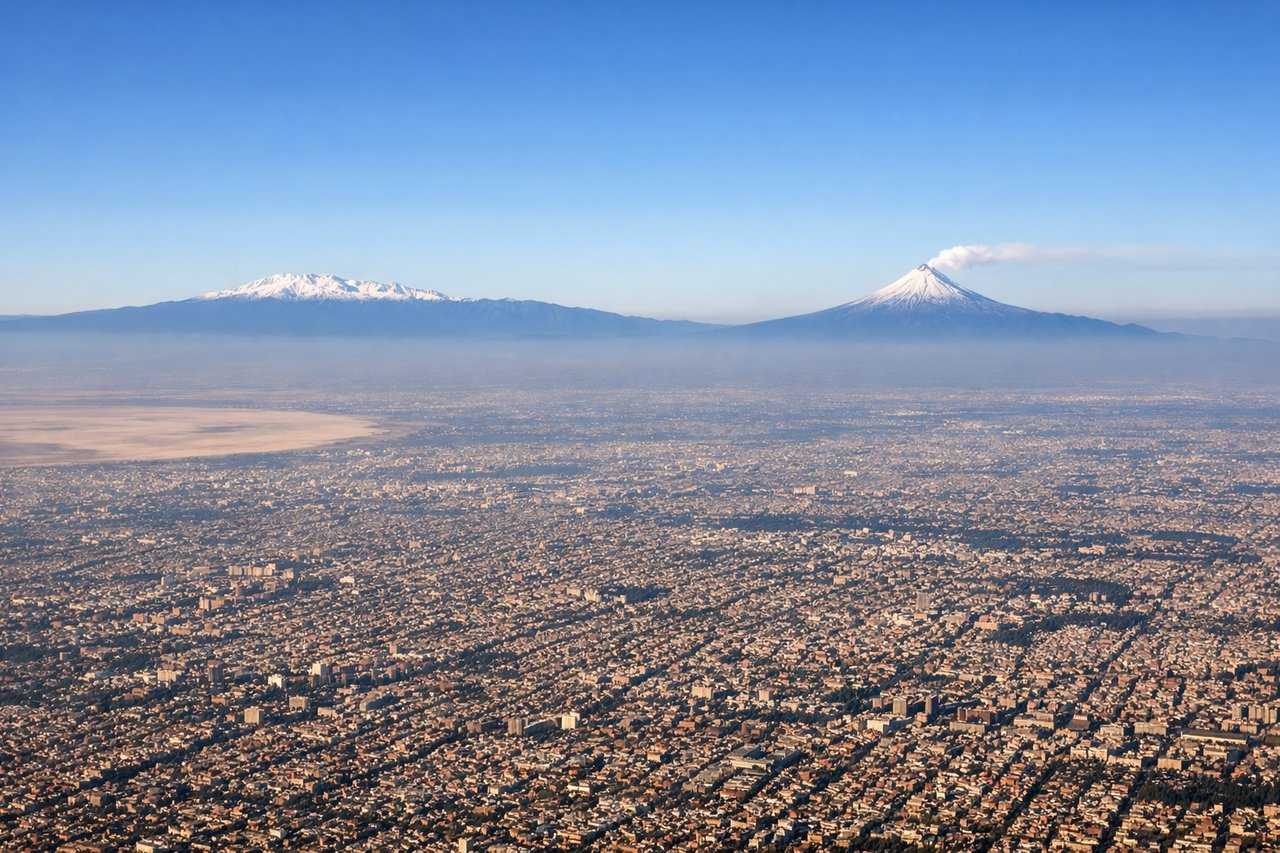
LEFTMEX typically departs on runway 05R heading northeast, which puts the left (north/northwest) side facing the Sierra Nevada volcanic chain including Popocatépetl and Iztaccíhuatl. These two massive stratovolcanoes rise to over 17,000 feet and are dramatically visible as the aircraft climbs out of the Valley of Mexico.
Landing at MUC
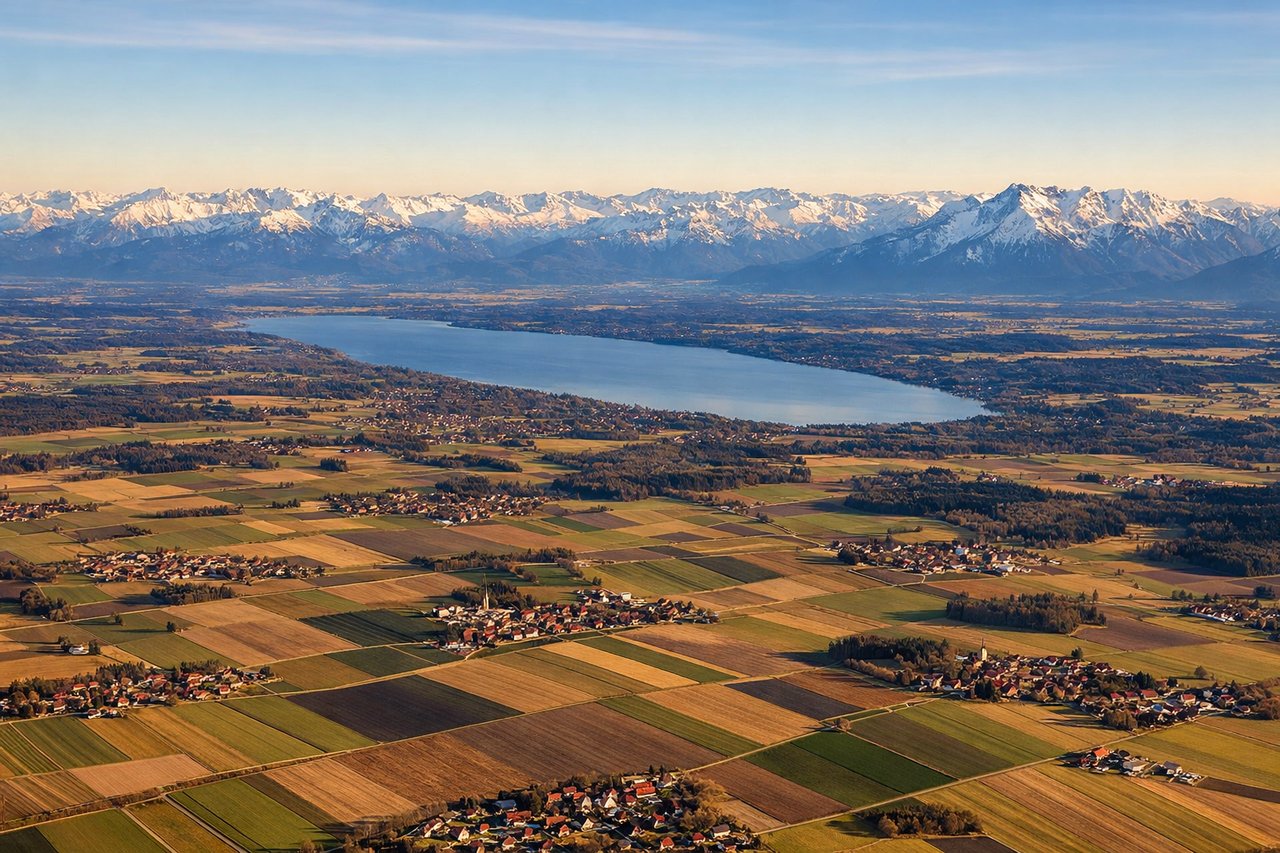
RIGHTMUC typically lands on runway 08R/26L or 08L/26R with approaches from the west or east. On a westbound approach (landing runway 26), the right side faces south toward the Bavarian Alps, including the Zugspitze and the Wetterstein range, which are clearly visible on clear days from the descent path over the Bavarian plateau.
Will your flight be in sunlight?
Pick a date and time in the Sun Map to watch the sun move across your whole flight.
About This Route
Which side of the plane should I sit on flying from Licenciado Benito Juarez International (MEX) to Munich (MUC)?
Sit on the Left side of the plane for the best views on flights from Mexico City to Munich. The left side captures the spectacular volcanic departure from Mexico City with Popocatépetl and Iztaccíhuatl, and also offers views over the Gulf of Mexico coastline and later the Atlantic. The right side has the better Alpine arrival view, but the volcanic scenery at departure is the single most dramatic moment of the flight.
What can I see during takeoff from Licenciado Benito Juarez International in Mexico City?
During takeoff from Licenciado Benito Juarez International (MEX), sit on the Left side for the best views. MEX typically departs on runway 05R heading northeast, which puts the left (north/northwest) side facing the Sierra Nevada volcanic chain including Popocatépetl and Iztaccíhuatl. These two massive stratovolcanoes rise to over 17,000 feet and are dramatically visible as the aircraft climbs out of the Valley of Mexico. Notable sights include: Popocatépetl volcano (active, often with plume), Iztaccíhuatl volcano, the dense urban grid of Mexico City spreading across the basin, Lake Texcoco remnant flats to the northeast.
What can I see when landing at Munich in Munich?
When landing at Munich (MUC), sit on the Right side for the best views. MUC typically lands on runway 08R/26L or 08L/26R with approaches from the west or east. On a westbound approach (landing runway 26), the right side faces south toward the Bavarian Alps, including the Zugspitze and the Wetterstein range, which are clearly visible on clear days from the descent path over the Bavarian plateau. Notable sights include: Bavarian Alps including Zugspitze (Germany's highest peak), the Isar River valley, the Chiemsee lake to the southeast, the flat Bavarian agricultural plateau with its patchwork fields.
How long is the flight from Mexico City to Munich?
The flight from Licenciado Benito Juarez International (MEX) to Munich (MUC) takes about 12 hours 30 minutes. The shortest flight path between them is 6,117 miles (9,845 km); winds and air traffic control usually add a few percent.
What does the Mexico City to Munich flight path pass over?
After departing Mexico City the route tracks northeast over the Gulf of Mexico, crossing Cuba and the Caribbean. It then crosses the Atlantic Ocean, passing south of the Azores. Landfall is made over the Iberian Peninsula, crossing Spain and potentially the Pyrenees mountain range. The route then crosses southern France and the Swiss or German border before descending into Bavaria. The Atlantic crossing constitutes the majority of the flight with no significant terrain features visible.