Right side scores higher (3.5 vs 2.5) because it captures two distinct scenic sequences: Mexico City's dramatic high-altitude urban basin and surrounding mountains during departure, and the Piedmont's rolling forested terrain with river valleys during approach. Left side faces the open Atlantic for most of cruise and offers minimal scenic interest. The right side provides genuine geographic variety and recognizable landmarks at both ends of the flight.
Flight Path
Gulf of Mexico coastline (Veracruz region), Yucatan Peninsula eastern edge, Florida peninsula, Atlantic coastal plain, Appalachian foothills (Tennessee/North Carolina border region), Piedmont transition zone
Great circle distance and headings ›Phase by phase
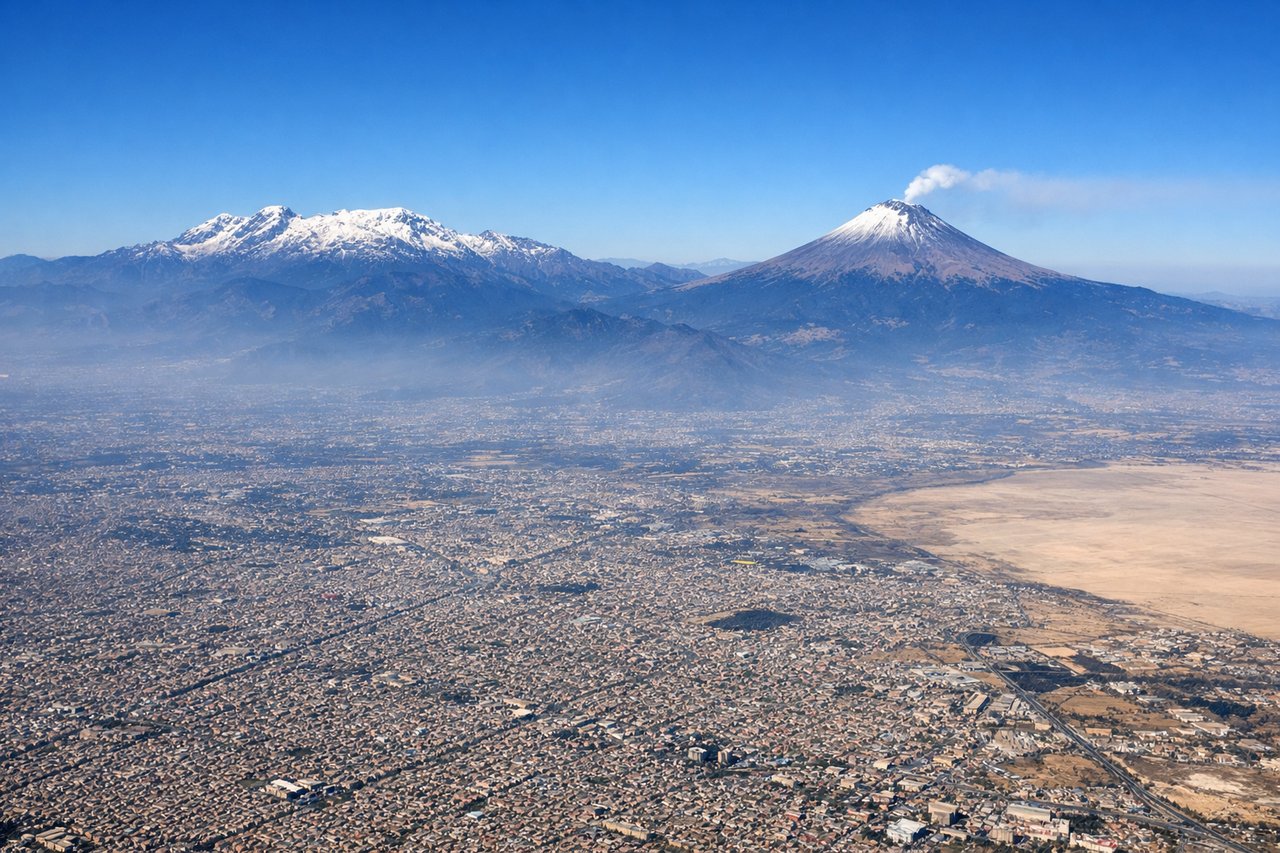
Takeoff from MEX
RIGHTRight side captures Mexico City's urban sprawl and the surrounding high-altitude basin terrain during climb-out. The city's grid pattern and surrounding mountains (Sierra Madre Oriental to the east, Sierra de las Cruces to the west) are visible immediately after departure, especially on runway 05L/05R operations heading northeast.
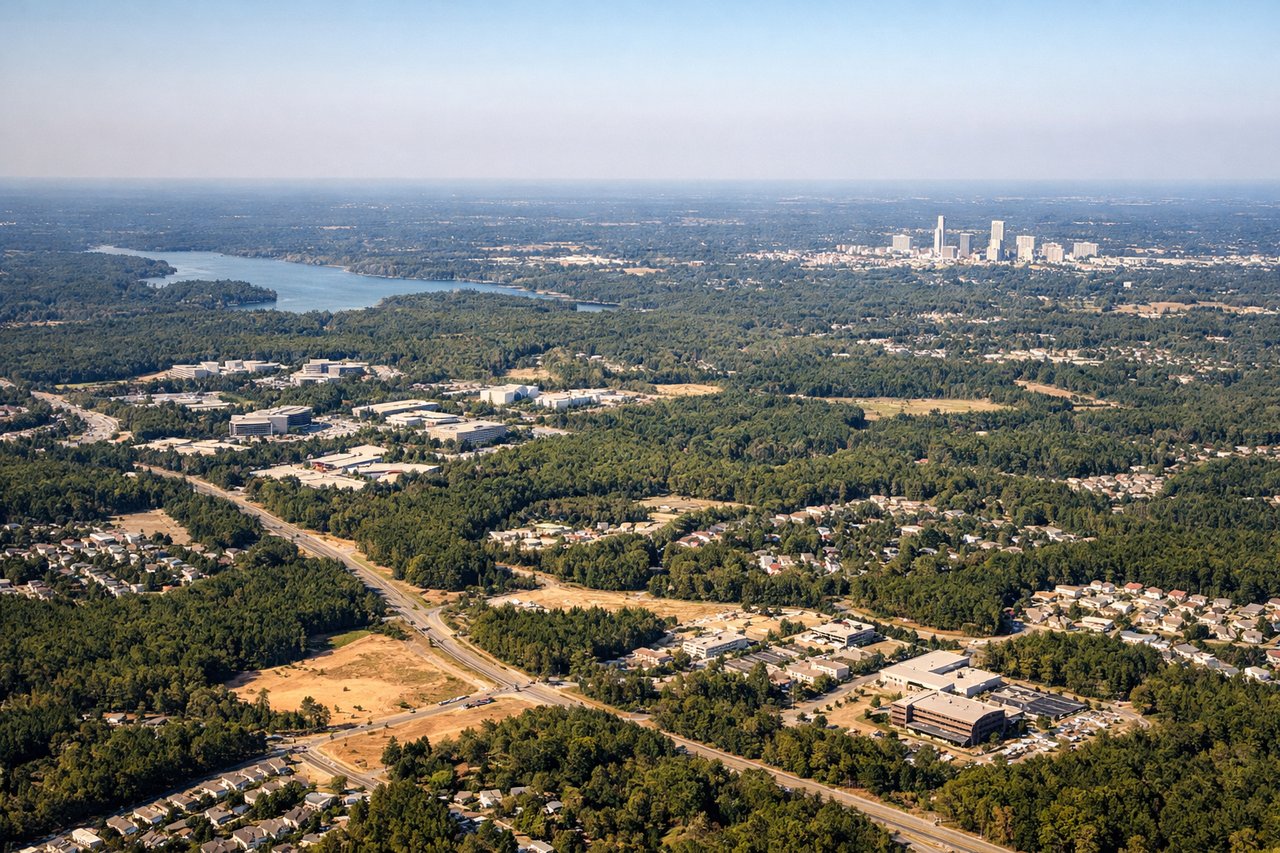
Landing at RDU
RIGHTRight side (north/northeast approach) offers views of the Piedmont terrain, including the Neuse River valley and the transition from forested hills to the Raleigh-Durham urban corridor. The approach typically descends over Wake County's rolling landscape, revealing the Research Triangle Park area and the city's northeastern suburbs.
Will your flight be in sunlight?
See exactly which side of the plane gets sun and shade at your departure time.
About This Route
Which side of the plane should I sit on flying from Licenciado Benito Juarez International (MEX) to Raleigh Durham International (RDU)?
Sit on the Right side of the plane for the best views on flights from Mexico City to Raleigh-Durham. Right side scores higher (3.5 vs 2.5) because it captures two distinct scenic sequences: Mexico City's dramatic high-altitude urban basin and surrounding mountains during departure, and the Piedmont's rolling forested terrain with river valleys during approach. Left side faces the open Atlantic for most of cruise and offers minimal scenic interest. The right side provides genuine geographic variety and recognizable landmarks at both ends of the flight.
What can I see during takeoff from Licenciado Benito Juarez International in Mexico City?
During takeoff from Licenciado Benito Juarez International (MEX), sit on the Right side for the best views. Right side captures Mexico City's urban sprawl and the surrounding high-altitude basin terrain during climb-out. The city's grid pattern and surrounding mountains (Sierra Madre Oriental to the east, Sierra de las Cruces to the west) are visible immediately after departure, especially on runway 05L/05R operations heading northeast. Notable sights include: Mexico City metropolitan area, Lake Texcoco remnants, Sierra Madre Oriental foothills, high-altitude plateau terrain.
What can I see when landing at Raleigh Durham International in Raleigh-Durham?
When landing at Raleigh Durham International (RDU), sit on the Right side for the best views. Right side (north/northeast approach) offers views of the Piedmont terrain, including the Neuse River valley and the transition from forested hills to the Raleigh-Durham urban corridor. The approach typically descends over Wake County's rolling landscape, revealing the Research Triangle Park area and the city's northeastern suburbs. Notable sights include: Neuse River valley, Wake County rolling Piedmont terrain, Research Triangle Park development, Raleigh-Durham urban sprawl.
How long is the flight from Mexico City to Raleigh-Durham?
The flight from Licenciado Benito Juarez International (MEX) to Raleigh Durham International (RDU) takes 4h 15m.
What does the Mexico City to Raleigh-Durham flight path pass over?
Gulf of Mexico coastline (Veracruz region), Yucatan Peninsula eastern edge, Florida peninsula, Atlantic coastal plain, Appalachian foothills (Tennessee/North Carolina border region), Piedmont transition zone