Miami to Rostov is 6,160 miles (9,914 km), a flight of about 9 hours 15 minutes.
Both sides score equally low (1.5) because this 9-hour flight crosses 5+ hours of open Atlantic Ocean, which is featureless and monotonous. The takeoff from Miami offers slightly more visual interest on the right (Biscayne Bay and city), while the landing at Rostov favors the left (Don River delta). However, the cruise phase—the majority of the flight—is dominated by open ocean on both sides, capping the overall scenic value. Right side edges ahead due to the superior Miami departure experience, which passengers will remember more vividly than the distant Rostov approach.
Flight Path
Atlantic Ocean (5+ hours of open water with no visible landmarks), Azores archipelago (distant, rarely visible at cruise altitude), European coastline approaching Spain/Portugal (final 2 hours), Iberian Peninsula interior (flat meseta plateau), Pyrenees Mountains (distant southern horizon, rarely prominent), Mediterranean coast of southern France (brief glimpse if routed south), Alps (distant, rarely visible on this routing), Central European plains, Carpathian Mountains (distant, southern horizon), Black Sea coast approaching Rostov
Great circle distance and headings ›

Phase by phase
Takeoff from MIA
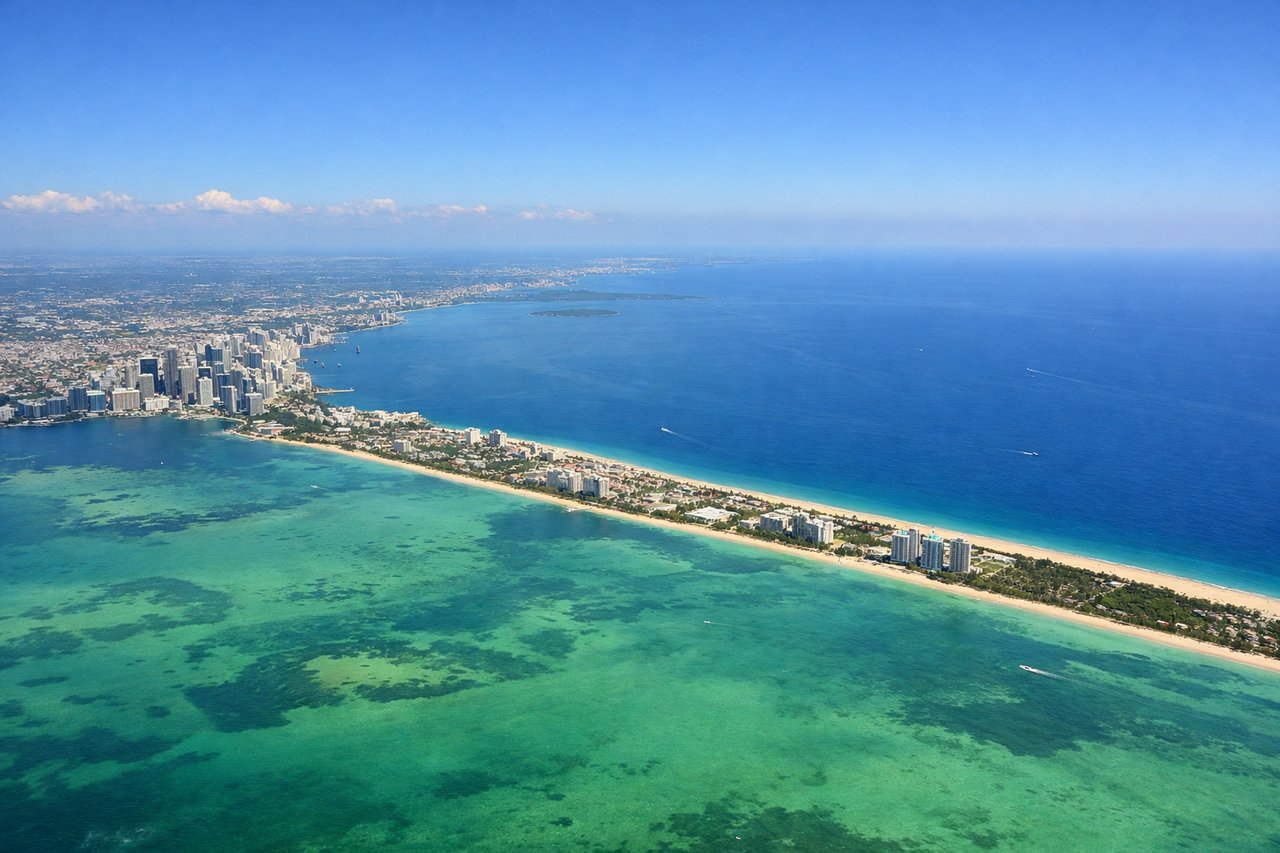
RIGHTRight side captures Miami's urban waterfront and Biscayne Bay during initial climb, offering brief city scenery before the Atlantic crossing. Left side faces inland toward the Everglades, which are visually monotonous from altitude.
Landing at ROV
LEFTLeft side offers views of the Don River delta and Rostov's urban sprawl during approach to runway 05 (northeast heading). Right side faces open steppe with minimal visual interest during the same descent corridor.
Landmarks on this routeAll landmarks →
Will your flight be in sunlight?
Pick a date and time in the Sun Map to watch the sun move across your whole flight.
About This Route
Which side of the plane should I sit on flying from Miami International (MIA) to Platov International Airport (ROV)?
Sit on the Right side of the plane for the best views on flights from Miami to Rostov. Both sides score equally low (1.5) because this 9-hour flight crosses 5+ hours of open Atlantic Ocean, which is featureless and monotonous. The takeoff from Miami offers slightly more visual interest on the right (Biscayne Bay and city), while the landing at Rostov favors the left (Don River delta). However, the cruise phase—the majority of the flight—is dominated by open ocean on both sides, capping the overall scenic value. Right side edges ahead due to the superior Miami departure experience, which passengers will remember more vividly than the distant Rostov approach.
What can I see during takeoff from Miami International in Miami?
During takeoff from Miami International (MIA), sit on the Right side for the best views. Right side captures Miami's urban waterfront and Biscayne Bay during initial climb, offering brief city scenery before the Atlantic crossing. Left side faces inland toward the Everglades, which are visually monotonous from altitude. Notable sights include: Biscayne Bay, Miami downtown skyline, Port of Miami container terminals, Atlantic Ocean horizon.
What can I see when landing at Platov International Airport in Rostov?
When landing at Platov International Airport (ROV), sit on the Left side for the best views. Left side offers views of the Don River delta and Rostov's urban sprawl during approach to runway 05 (northeast heading). Right side faces open steppe with minimal visual interest during the same descent corridor. Notable sights include: Don River delta and floodplain, Rostov-on-Don city grid, Taganrog Bay (distant), Russian steppe.
How long is the flight from Miami to Rostov?
The flight from Miami International (MIA) to Platov International Airport (ROV) takes about 9 hours 15 minutes. The shortest flight path between them is 6,160 miles (9,914 km); winds and air traffic control usually add a few percent.
What does the Miami to Rostov flight path pass over?
Atlantic Ocean (5+ hours of open water with no visible landmarks), Azores archipelago (distant, rarely visible at cruise altitude), European coastline approaching Spain/Portugal (final 2 hours), Iberian Peninsula interior (flat meseta plateau), Pyrenees Mountains (distant southern horizon, rarely prominent), Mediterranean coast of southern France (brief glimpse if routed south), Alps (distant, rarely visible on this routing), Central European plains, Carpathian Mountains (distant, southern horizon), Black Sea coast approaching Rostov