The right seat wins overall. While the left seat has a strong showing at takeoff with the Chugach Mountains, the right seat delivers the iconic Rocky Mountain Front Range panorama on descent into Denver, which is one of the most visually dramatic approaches in the continental US. During the cruise portion flying south through British Columbia, the Yukon, and into the Rockies, the right side also tends to face west toward the higher terrain of the Coast Ranges and Canadian Rockies.
Flown MRI to DEN? Did we get it right?
Flight Path
Anchorage to Denver is 2,396 miles (3,857 km), a flight of about 5 hours.
The flight tracks roughly south through central British Columbia over the Interior Plateau, crossing the Canadian Rockies and the Columbia River system. Notable terrain includes the Coast Mountains of BC visible to the west, the Rocky Mountain Trench, the Snake River Plain of southern Idaho, and the high desert of the Great Basin before descending over the Colorado plains. The transition from dense boreal forest to open rangeland and high desert is dramatic around the Idaho-Utah border region.
Great circle distance and headings ›


Phase by phase
Takeoff from MRI
LEFTMerrill Field typically departs to the south or southeast. A left (east) seat gives you a direct view of the Chugach Mountains rising immediately east of Anchorage, with the dramatic peaks and glaciers of the Front Range filling the window during climb-out. The right side faces west toward Cook Inlet and the relatively flat Knik Arm.
Landing at DEN
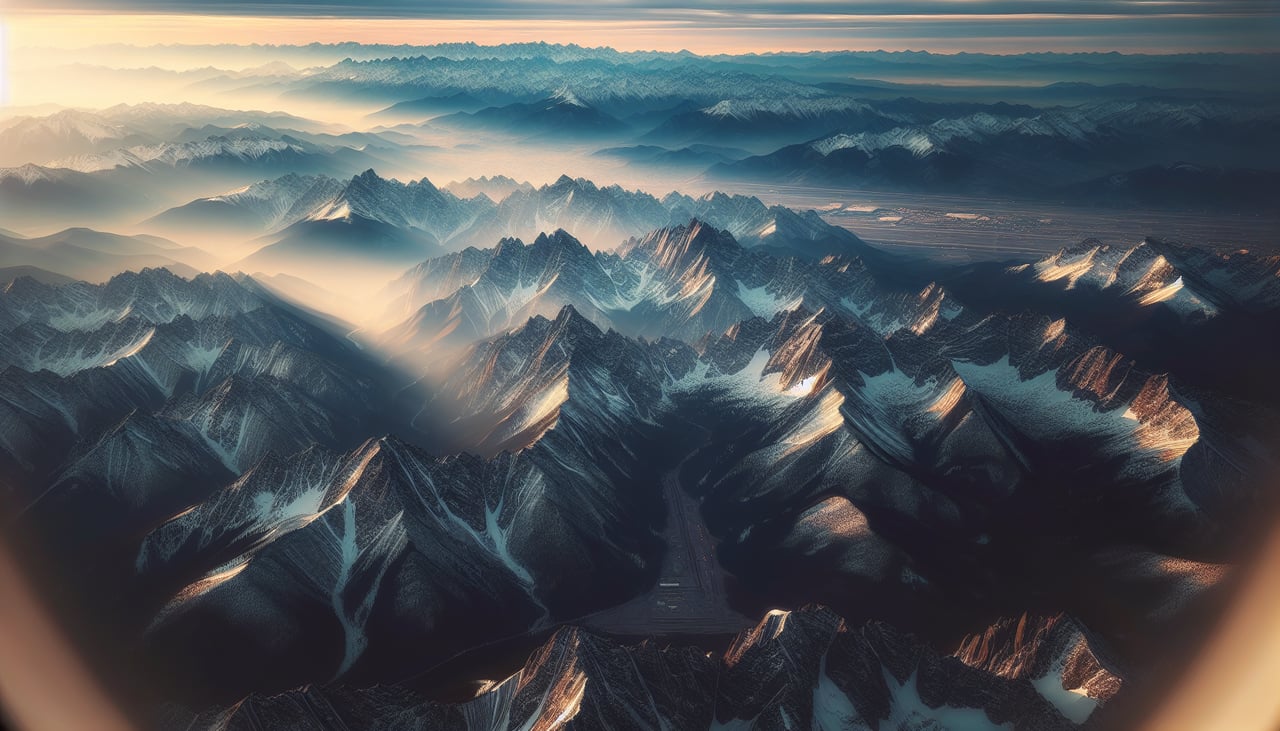
RIGHTDenver International sits northeast of downtown Denver, and aircraft typically approach from the east or northeast on runways oriented roughly north-south. A right (west) seat gives you a sustained view of the entire Front Range of the Rockies — from Pikes Peak in the south to Longs Peak in the north — as you descend over the plains. The left side faces east toward the flat Kansas-Colorado plains with little of visual interest.
Will your flight be in sunlight?
Pick a date and time in the Sun Map to watch the sun move across your whole flight.
About This Route
Which side of the plane should I sit on flying from Merrill Fld (MRI) to Denver International (DEN)?
Sit on the Right side of the plane for the best views on flights from Anchorage to Denver. The right seat wins overall. While the left seat has a strong showing at takeoff with the Chugach Mountains, the right seat delivers the iconic Rocky Mountain Front Range panorama on descent into Denver, which is one of the most visually dramatic approaches in the continental US. During the cruise portion flying south through British Columbia, the Yukon, and into the Rockies, the right side also tends to face west toward the higher terrain of the Coast Ranges and Canadian Rockies.
What can I see during takeoff from Merrill Fld in Anchorage?
During takeoff from Merrill Fld (MRI), sit on the Left side for the best views. Merrill Field typically departs to the south or southeast. A left (east) seat gives you a direct view of the Chugach Mountains rising immediately east of Anchorage, with the dramatic peaks and glaciers of the Front Range filling the window during climb-out. The right side faces west toward Cook Inlet and the relatively flat Knik Arm. Notable sights include: Chugach Mountains Front Range, Matanuska-Susitna Valley to the northeast, Elmendorf Air Force Base below, Ship Creek drainage.
What can I see when landing at Denver International in Denver?
When landing at Denver International (DEN), sit on the Right side for the best views. Denver International sits northeast of downtown Denver, and aircraft typically approach from the east or northeast on runways oriented roughly north-south. A right (west) seat gives you a sustained view of the entire Front Range of the Rockies — from Pikes Peak in the south to Longs Peak in the north — as you descend over the plains. The left side faces east toward the flat Kansas-Colorado plains with little of visual interest. Notable sights include: Front Range of the Rocky Mountains, Longs Peak, Pikes Peak, Denver city skyline.
How long is the flight from Anchorage to Denver?
The flight from Merrill Fld (MRI) to Denver International (DEN) takes about 5 hours. The shortest flight path between them is 2,396 miles (3,857 km); winds and air traffic control usually add a few percent.
What does the Anchorage to Denver flight path pass over?
The flight tracks roughly south through central British Columbia over the Interior Plateau, crossing the Canadian Rockies and the Columbia River system. Notable terrain includes the Coast Mountains of BC visible to the west, the Rocky Mountain Trench, the Snake River Plain of southern Idaho, and the high desert of the Great Basin before descending over the Colorado plains. The transition from dense boreal forest to open rangeland and high desert is dramatic around the Idaho-Utah border region.