Neither side offers dramatic terrain since the route crosses flat German and Dutch lowlands, but the left side edges ahead with a fleeting Alpine view on departure and a clearer look at the IJsselmeer and Amsterdam's outskirts on arrival.
Flight Path
North German Plain, Rhine river lowlands near the German-Dutch border, flat agricultural terrain with scattered towns
Great circle distance and headings ›Phase by phase
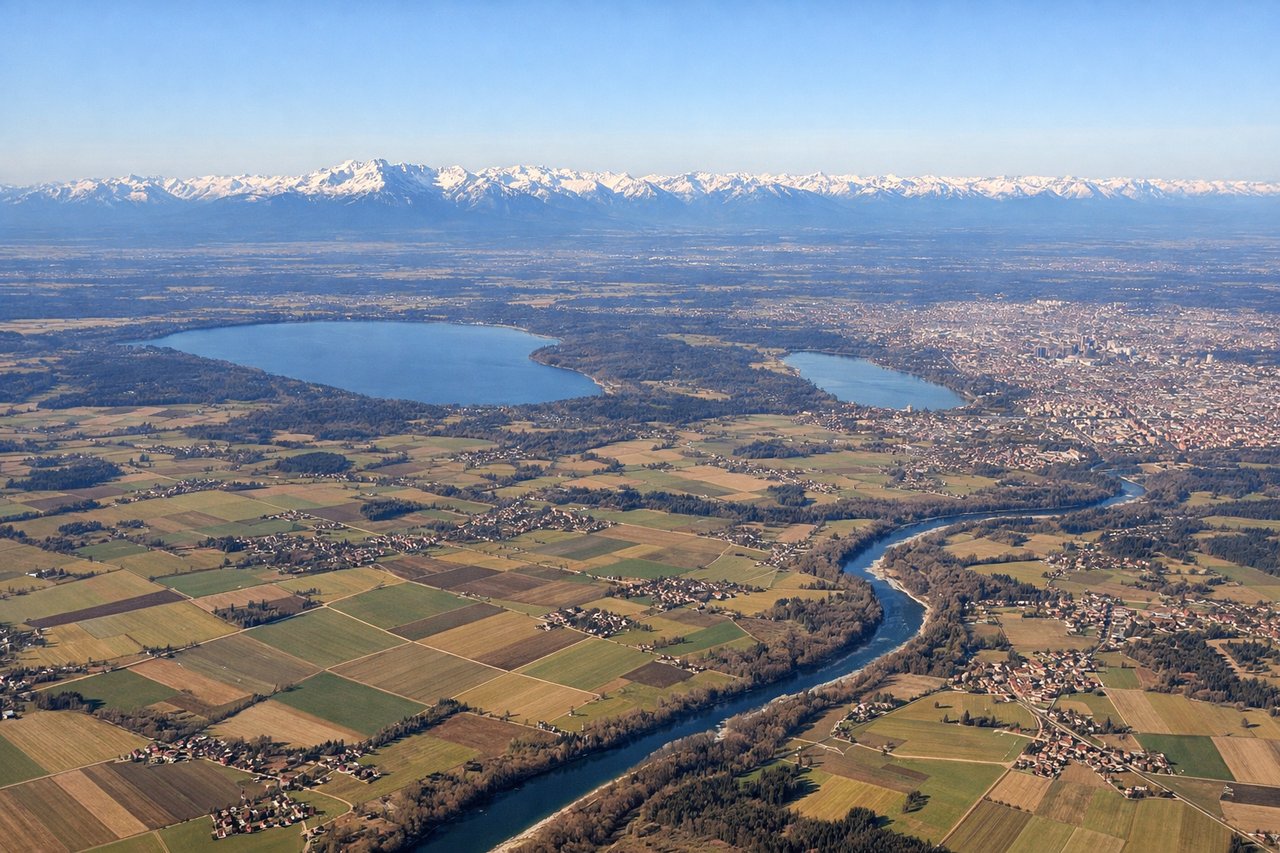
Takeoff from MUC
LEFTOn departure from MUC, runways run east-west and the climb-out toward the northwest gives left-side (south-facing) passengers a brief but genuine glimpse of the Bavarian Alps foothills before the aircraft turns away from them. The right side only sees the flat Bavarian plain and Munich's northern suburbs.
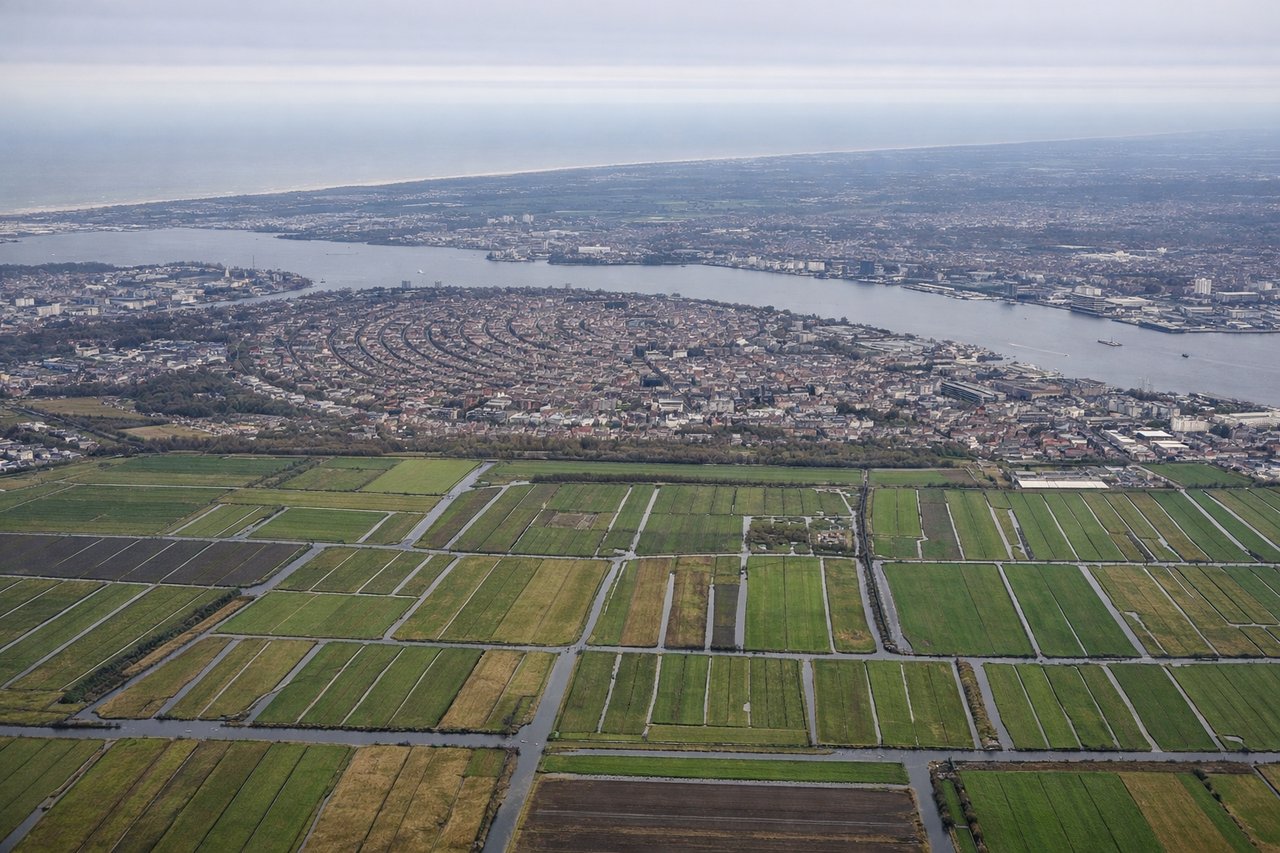
Landing at AMS
LEFTApproaching AMS from the south, the aircraft typically tracks over the flat Dutch polder landscape with the IJsselmeer and Amsterdam's western districts visible to the left before lining up for landing. The right side mostly shows featureless farmland during the final turn.
Landmarks on this routeAll landmarks →
Will your flight be in sunlight?
See exactly which side of the plane gets sun and shade at your departure time.
About This Route
Which side of the plane should I sit on flying from Munich (MUC) to Schiphol (AMS)?
Sit on the Left side of the plane for the best views on flights from Munich to Amsterdam. Neither side offers dramatic terrain since the route crosses flat German and Dutch lowlands, but the left side edges ahead with a fleeting Alpine view on departure and a clearer look at the IJsselmeer and Amsterdam's outskirts on arrival.
What can I see during takeoff from Munich in Munich?
During takeoff from Munich (MUC), sit on the Left side for the best views. On departure from MUC, runways run east-west and the climb-out toward the northwest gives left-side (south-facing) passengers a brief but genuine glimpse of the Bavarian Alps foothills before the aircraft turns away from them. The right side only sees the flat Bavarian plain and Munich's northern suburbs. Notable sights include: Bavarian Alps foothills (distant), Isar river valley, Munich northern suburbs, agricultural plains.
What can I see when landing at Schiphol in Amsterdam?
When landing at Schiphol (AMS), sit on the Left side for the best views. Approaching AMS from the south, the aircraft typically tracks over the flat Dutch polder landscape with the IJsselmeer and Amsterdam's western districts visible to the left before lining up for landing. The right side mostly shows featureless farmland during the final turn. Notable sights include: IJsselmeer lake, Amsterdam western canals and rooftops, Dutch polder fields, Schiphol's Polderbaan runway.
How long is the flight from Munich to Amsterdam?
The flight from Munich (MUC) to Schiphol (AMS) takes 1h 15m.
What does the Munich to Amsterdam flight path pass over?
North German Plain, Rhine river lowlands near the German-Dutch border, flat agricultural terrain with scattered towns