The right side bookends the flight with two of the most recognizable alpine and volcanic landmarks in the world - the Bavarian Alps at departure and Mount Fuji at arrival - while the left side offers comparatively flat, unremarkable views at both ends.
Flown MUC to HND? Did we get it right?
Flight Path
Munich to Tokyo is 5,816 miles (9,359 km), a flight of about 11 hours 40 minutes.
Modern routing avoids Russian airspace, so the flight tracks south over the Balkans, Turkey, the Caucasus and Caspian Sea, then across the steppe of Kazakhstan and the Gobi Desert of Mongolia/northern China before descending toward the Sea of Japan and Honshu.
Great circle distance and headings ›

Phase by phase
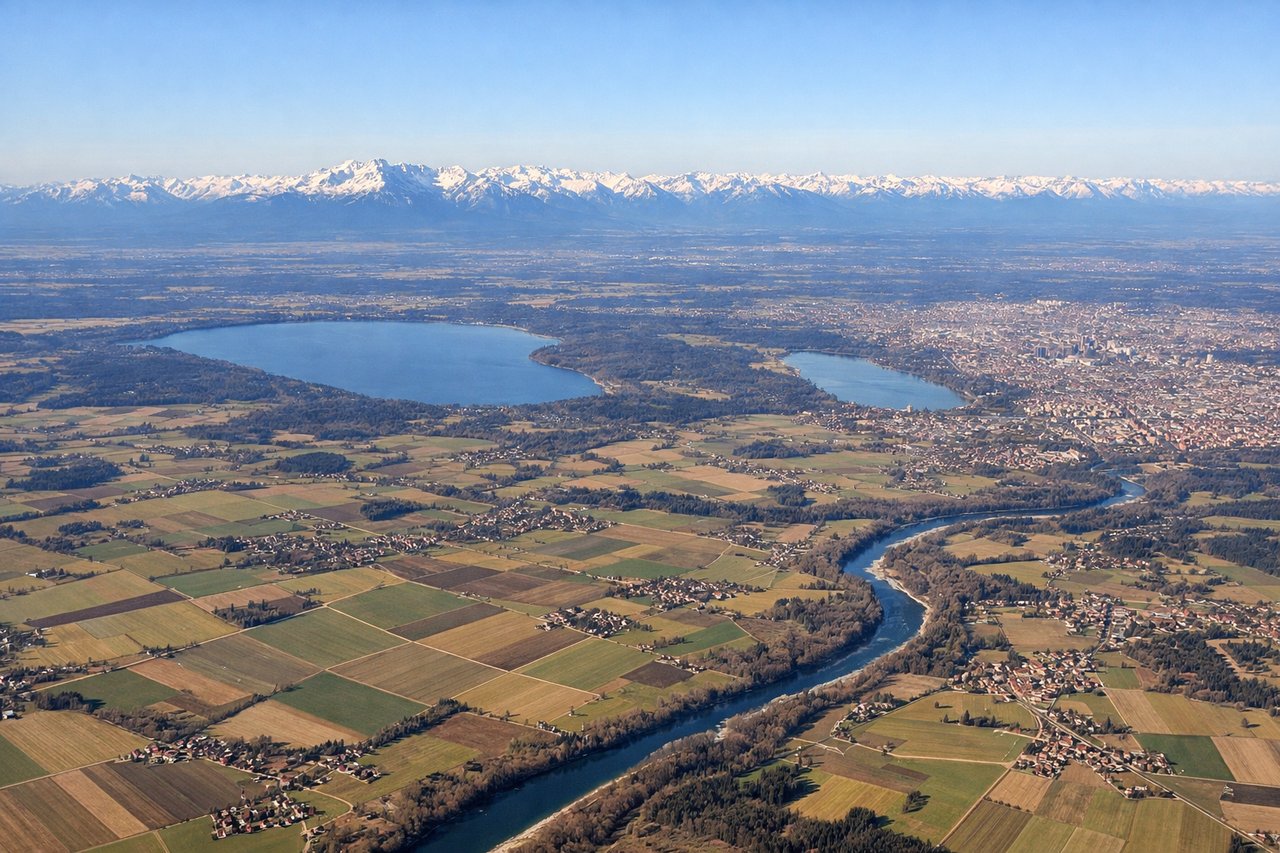
Takeoff from MUC
RIGHTMunich sits just north of the Bavarian Alps, and departures turning onto an eastbound course typically bank south before climbing away, putting the jagged alpine wall - including the Zugspitze massif - in clear view on the right side during the initial climb.
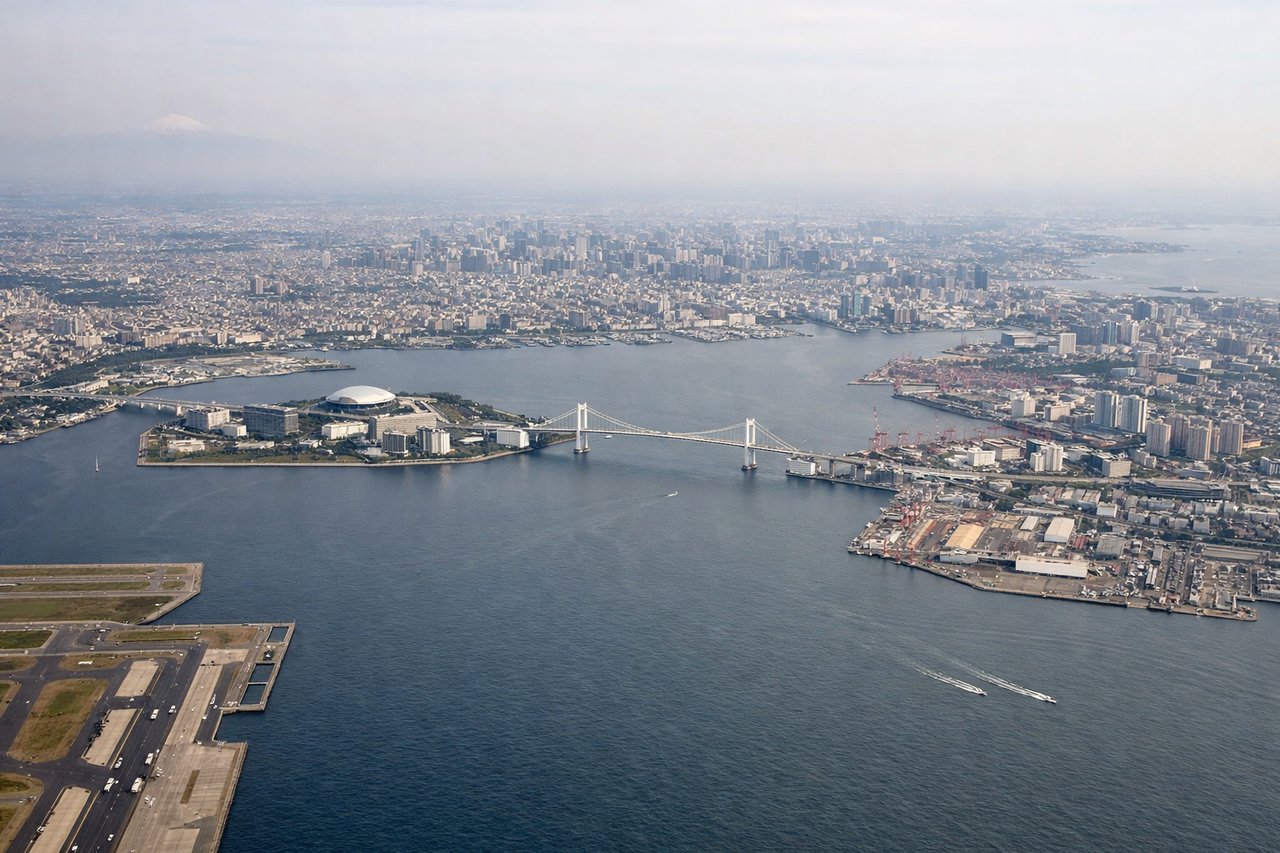
Landing at HND
RIGHTArrivals into Haneda from the west often pass south of central Tokyo before turning onto final approach over Tokyo Bay, giving right-side passengers a clear view of Mount Fuji's snow-capped cone on the horizon along with the Miura Peninsula and Sagami Bay coastline.
Will your flight be in sunlight?
Pick a date and time in the Sun Map to watch the sun move across your whole flight.
About This Route
Which side of the plane should I sit on flying from Munich (MUC) to Tokyo International (HND)?
Sit on the Right side of the plane for the best views on flights from Munich to Tokyo. The right side bookends the flight with two of the most recognizable alpine and volcanic landmarks in the world - the Bavarian Alps at departure and Mount Fuji at arrival - while the left side offers comparatively flat, unremarkable views at both ends.
What can I see during takeoff from Munich in Munich?
During takeoff from Munich (MUC), sit on the Right side for the best views. Munich sits just north of the Bavarian Alps, and departures turning onto an eastbound course typically bank south before climbing away, putting the jagged alpine wall - including the Zugspitze massif - in clear view on the right side during the initial climb. Notable sights include: Bavarian Alps, Zugspitze, Isar River valley, Munich's southern suburbs.
What can I see when landing at Tokyo International in Tokyo?
When landing at Tokyo International (HND), sit on the Right side for the best views. Arrivals into Haneda from the west often pass south of central Tokyo before turning onto final approach over Tokyo Bay, giving right-side passengers a clear view of Mount Fuji's snow-capped cone on the horizon along with the Miura Peninsula and Sagami Bay coastline. Notable sights include: Mount Fuji, Sagami Bay, Miura Peninsula, Tokyo Bay shipping lanes.
How long is the flight from Munich to Tokyo?
The flight from Munich (MUC) to Tokyo International (HND) takes about 11 hours 40 minutes. The shortest flight path between them is 5,816 miles (9,359 km); winds and air traffic control usually add a few percent.
What does the Munich to Tokyo flight path pass over?
Modern routing avoids Russian airspace, so the flight tracks south over the Balkans, Turkey, the Caucasus and Caspian Sea, then across the steppe of Kazakhstan and the Gobi Desert of Mongolia/northern China before descending toward the Sea of Japan and Honshu.