Right side scores higher due to the exceptional landing sequence into Santos Dumont. While the Montevideo departure offers pleasant estuary views, the Rio approach delivers world-class urban and mountain scenery—Sugarloaf Mountain, Guanabara Bay, and the iconic skyline are among South America's most visually distinctive landmarks. The cruise phase over relatively flat terrain is comparable on both sides, but the landing experience decisively favors the right.
Flown MVD to SDU? Did we get it right?
Flight Path
Montevideo to Rio De Janeiro is 1,131 miles (1,821 km), a flight of about 2 hours 50 minutes.
The flight path crosses the Atlantic coast of Uruguay near Punta del Este, then tracks northeast over open Atlantic waters for approximately 45 minutes before approaching the Brazilian coast near Rio de Janeiro. The cruise phase offers limited scenic variety—mostly open ocean with occasional cloud formations. The coastal approach to Rio reveals the Serra da Carioca mountain range and Guanabara Bay's distinctive geography.
Great circle distance and headings ›Phase by phase
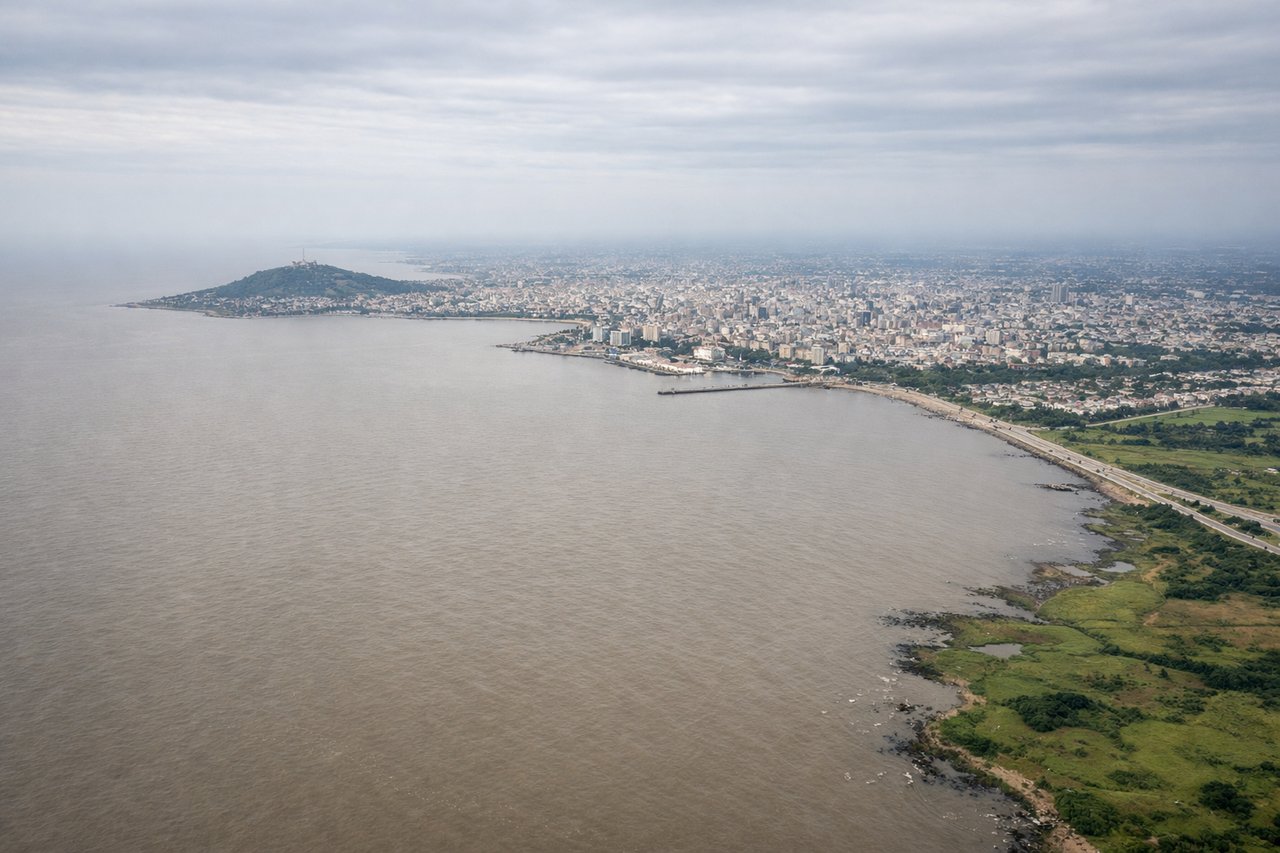
Takeoff from MVD
LEFTLeft side captures the Río de la Plata estuary and Montevideo's waterfront during climb-out from runway 25. The wide, distinctive muddy-brown waters of South America's second-largest estuary provide immediate visual interest and urban context as the aircraft banks northeastward.
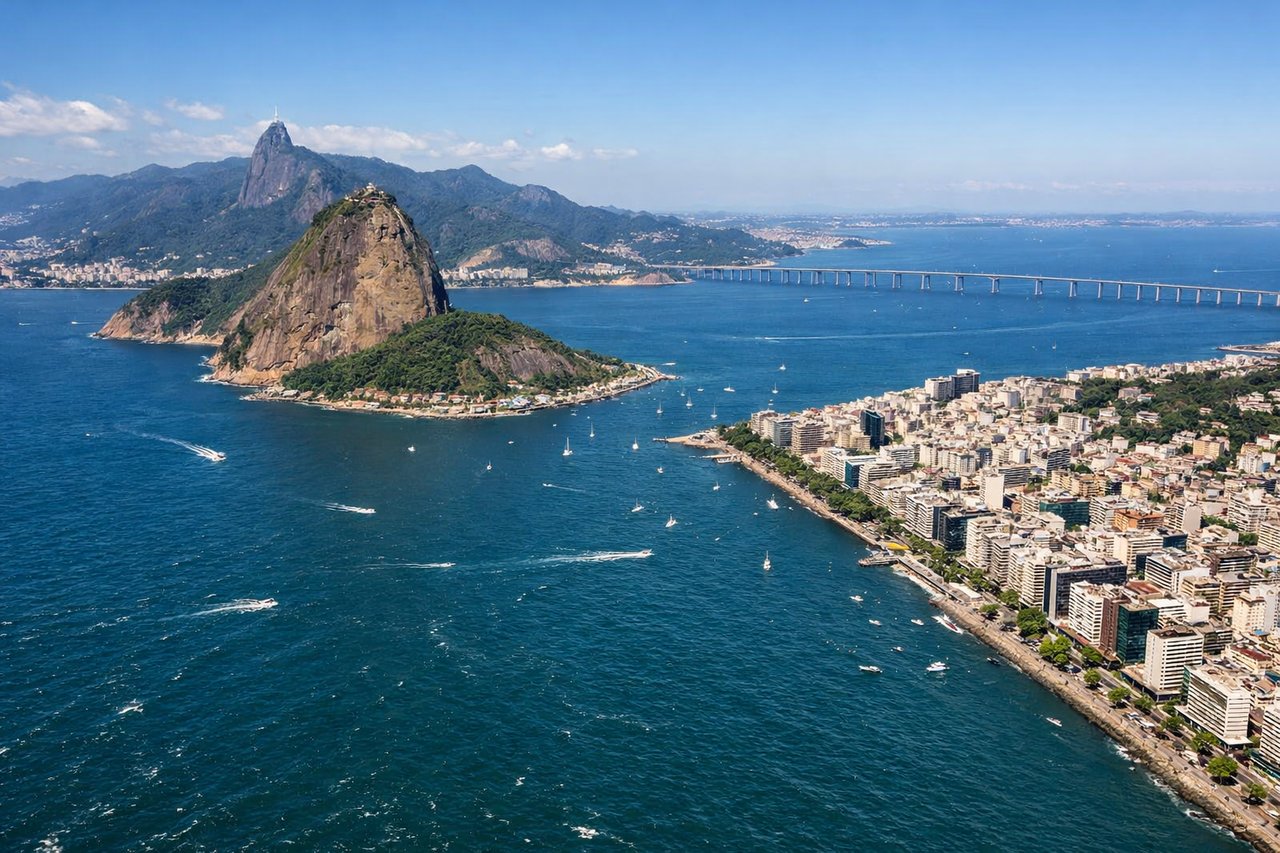
Landing at SDU
RIGHTRight side offers the iconic approach into Santos Dumont over Guanabara Bay with Sugarloaf Mountain and Rio's dramatic urban skyline. The approach from runway 20 (southbound) brings aircraft low over the bay, revealing the city's most recognizable landmarks and the contrast between water, mountains, and dense urban development.
Will your flight be in sunlight?
Pick a date and time in the Sun Map to watch the sun move across your whole flight.
About This Route
Which side of the plane should I sit on flying from Carrasco International (MVD) to Santos Dumont (SDU)?
Sit on the Right side of the plane for the best views on flights from Montevideo to Rio De Janeiro. Right side scores higher due to the exceptional landing sequence into Santos Dumont. While the Montevideo departure offers pleasant estuary views, the Rio approach delivers world-class urban and mountain scenery—Sugarloaf Mountain, Guanabara Bay, and the iconic skyline are among South America's most visually distinctive landmarks. The cruise phase over relatively flat terrain is comparable on both sides, but the landing experience decisively favors the right.
What can I see during takeoff from Carrasco International in Montevideo?
During takeoff from Carrasco International (MVD), sit on the Left side for the best views. Left side captures the Río de la Plata estuary and Montevideo's waterfront during climb-out from runway 25. The wide, distinctive muddy-brown waters of South America's second-largest estuary provide immediate visual interest and urban context as the aircraft banks northeastward. Notable sights include: Río de la Plata estuary (foreground), Montevideo city grid and harbor (left), Punta Carrasco peninsula, Atlantic coastline receding eastward.
What can I see when landing at Santos Dumont in Rio De Janeiro?
When landing at Santos Dumont (SDU), sit on the Right side for the best views. Right side offers the iconic approach into Santos Dumont over Guanabara Bay with Sugarloaf Mountain and Rio's dramatic urban skyline. The approach from runway 20 (southbound) brings aircraft low over the bay, revealing the city's most recognizable landmarks and the contrast between water, mountains, and dense urban development. Notable sights include: Guanabara Bay (foreground), Sugarloaf Mountain and Corcovado ridge (right), Rio de Janeiro city skyline and Copacabana district (right), Christ the Redeemer statue visible on distant peak.
How long is the flight from Montevideo to Rio De Janeiro?
The flight from Carrasco International (MVD) to Santos Dumont (SDU) takes about 2 hours 50 minutes. The shortest flight path between them is 1,131 miles (1,821 km); winds and air traffic control usually add a few percent.
What does the Montevideo to Rio De Janeiro flight path pass over?
The flight path crosses the Atlantic coast of Uruguay near Punta del Este, then tracks northeast over open Atlantic waters for approximately 45 minutes before approaching the Brazilian coast near Rio de Janeiro. The cruise phase offers limited scenic variety—mostly open ocean with occasional cloud formations. The coastal approach to Rio reveals the Serra da Carioca mountain range and Guanabara Bay's distinctive geography.