Right side scores higher due to superior takeoff scenery from Rio's iconic harbor and Sugarloaf Mountain, plus a more visually interesting landing approach over the Río de la Plata estuary and Montevideo's waterfront. Left side offers only inland mountains during departure and flat pampas during landing, with minimal landmark density.
Flown SDU to MVD? Did we get it right?
Flight Path
Rio De Janeiro to Montevideo is 1,131 miles (1,821 km), a flight of about 2 hours 50 minutes.
The flight path crosses the Atlantic coastal lowlands of southern Brazil and northern Uruguay. Notable features include the Laguna Merín (a large coastal lagoon on the Brazil-Uruguay border), the Pampas grasslands of Uruguay, and the Río de la Plata estuary system. The route generally follows a southwesterly heading over relatively flat terrain with occasional river valleys visible from altitude.
Great circle distance and headings ›Phase by phase
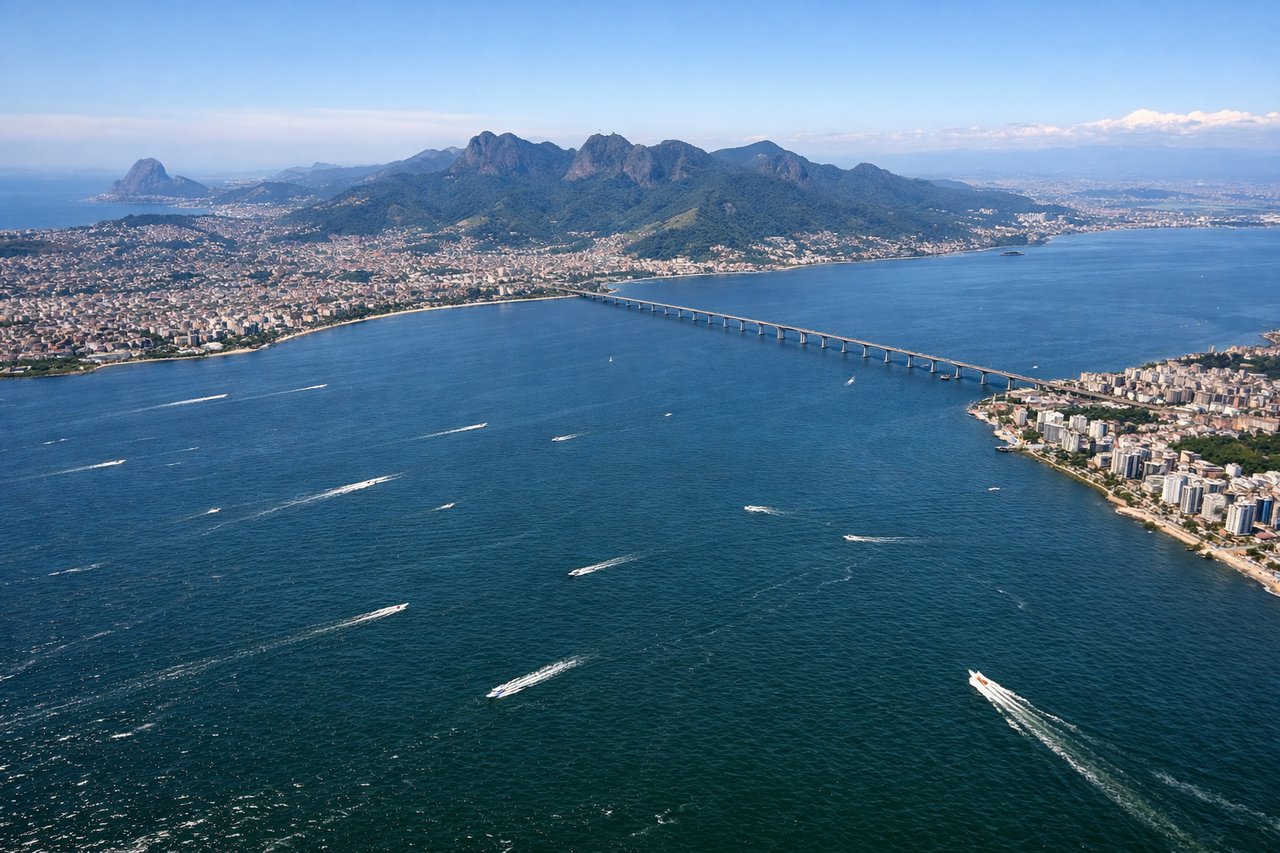
Takeoff from SDU
RIGHTRight side captures Rio de Janeiro's iconic harbor and Guanabara Bay during departure, with Sugarloaf Mountain and the city skyline visible. Left side shows inland terrain and the Serra da Mantiqueira mountains, but they recede quickly inland.
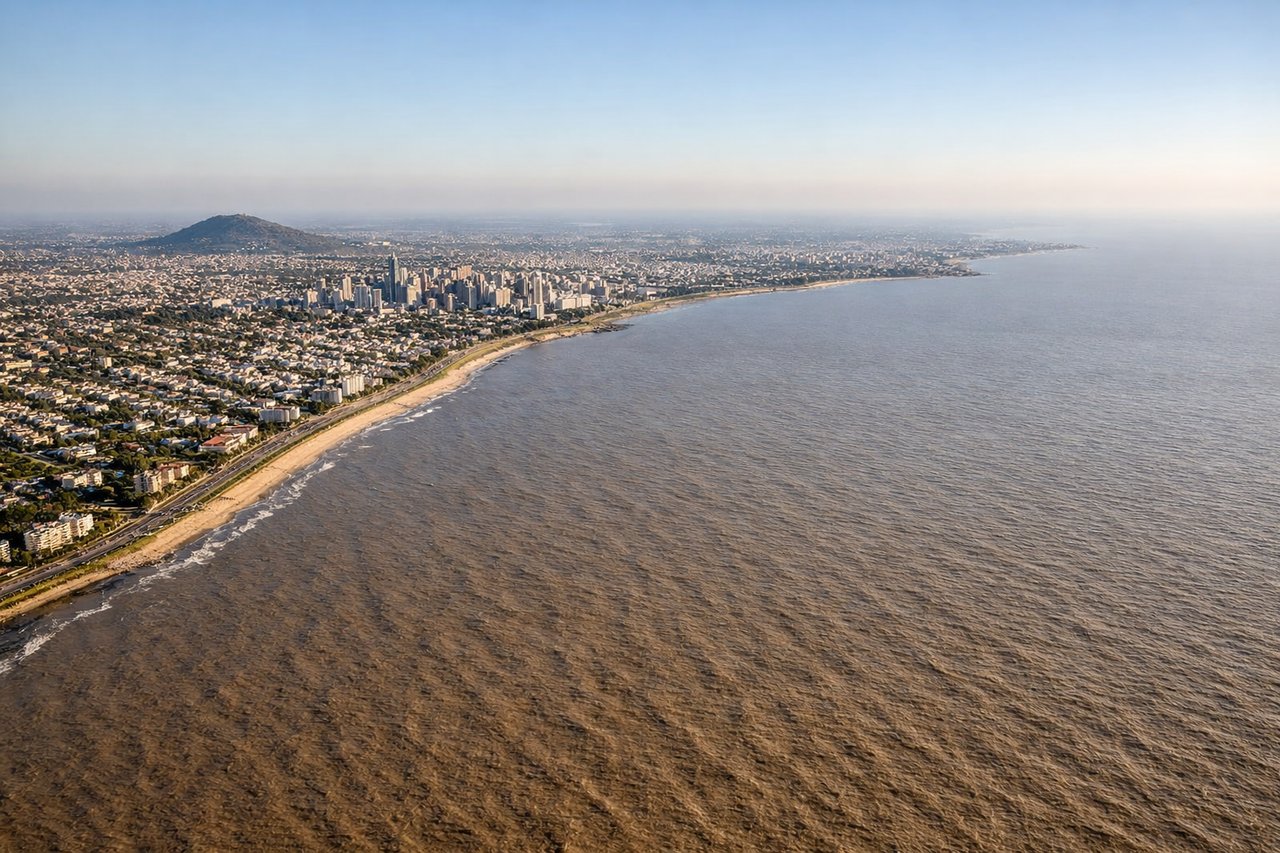
Landing at MVD
RIGHTRight side provides the approach into Carrasco International over the Río de la Plata estuary, with Montevideo's waterfront and urban grid visible during descent. Left side shows only flat pampas and agricultural land with minimal visual interest.
Will your flight be in sunlight?
Pick a date and time in the Sun Map to watch the sun move across your whole flight.
About This Route
Which side of the plane should I sit on flying from Santos Dumont (SDU) to Carrasco International (MVD)?
Sit on the Right side of the plane for the best views on flights from Rio De Janeiro to Montevideo. Right side scores higher due to superior takeoff scenery from Rio's iconic harbor and Sugarloaf Mountain, plus a more visually interesting landing approach over the Río de la Plata estuary and Montevideo's waterfront. Left side offers only inland mountains during departure and flat pampas during landing, with minimal landmark density.
What can I see during takeoff from Santos Dumont in Rio De Janeiro?
During takeoff from Santos Dumont (SDU), sit on the Right side for the best views. Right side captures Rio de Janeiro's iconic harbor and Guanabara Bay during departure, with Sugarloaf Mountain and the city skyline visible. Left side shows inland terrain and the Serra da Mantiqueira mountains, but they recede quickly inland. Notable sights include: Guanabara Bay, Sugarloaf Mountain, Rio de Janeiro city skyline, Niterói across the bay.
What can I see when landing at Carrasco International in Montevideo?
When landing at Carrasco International (MVD), sit on the Right side for the best views. Right side provides the approach into Carrasco International over the Río de la Plata estuary, with Montevideo's waterfront and urban grid visible during descent. Left side shows only flat pampas and agricultural land with minimal visual interest. Notable sights include: Río de la Plata estuary, Montevideo waterfront and Old City, Carrasco neighborhood, Atlantic coastline.
How long is the flight from Rio De Janeiro to Montevideo?
The flight from Santos Dumont (SDU) to Carrasco International (MVD) takes about 2 hours 50 minutes. The shortest flight path between them is 1,131 miles (1,821 km); winds and air traffic control usually add a few percent.
What does the Rio De Janeiro to Montevideo flight path pass over?
The flight path crosses the Atlantic coastal lowlands of southern Brazil and northern Uruguay. Notable features include the Laguna Merín (a large coastal lagoon on the Brazil-Uruguay border), the Pampas grasslands of Uruguay, and the Río de la Plata estuary system. The route generally follows a southwesterly heading over relatively flat terrain with occasional river valleys visible from altitude.