Right-side seats capture the Alps at departure, which is the most visually dramatic segment. The landing approach over Muscat's mountains is scenic but brief, whereas the Alpine views during climb-out last 20-30 minutes and offer greater visual variety and scale.
Flown MXP to MCT? Did we get it right?
Flight Path
Milano to Muscat is 3,138 miles (5,051 km), a flight of about 6 hours.
The flight path crosses the Mediterranean Sea south of the Alps, then proceeds over the Balkans (visible: Adriatic coastline, Greek islands if slightly south of direct routing), southern Turkey (Taurus Mountains), Syria/Lebanon (Anti-Lebanon range), and the Arabian Peninsula interior (Syrian Desert transitioning to Arabian Desert). The Levantine coast and Dead Sea region may be visible on the left side during the mid-flight segment. As the aircraft descends toward Muscat, the Strait of Hormuz and the Persian Gulf coastline become visible, with the Hajar Mountains dominating the final approach.
Great circle distance and headings ›


Phase by phase
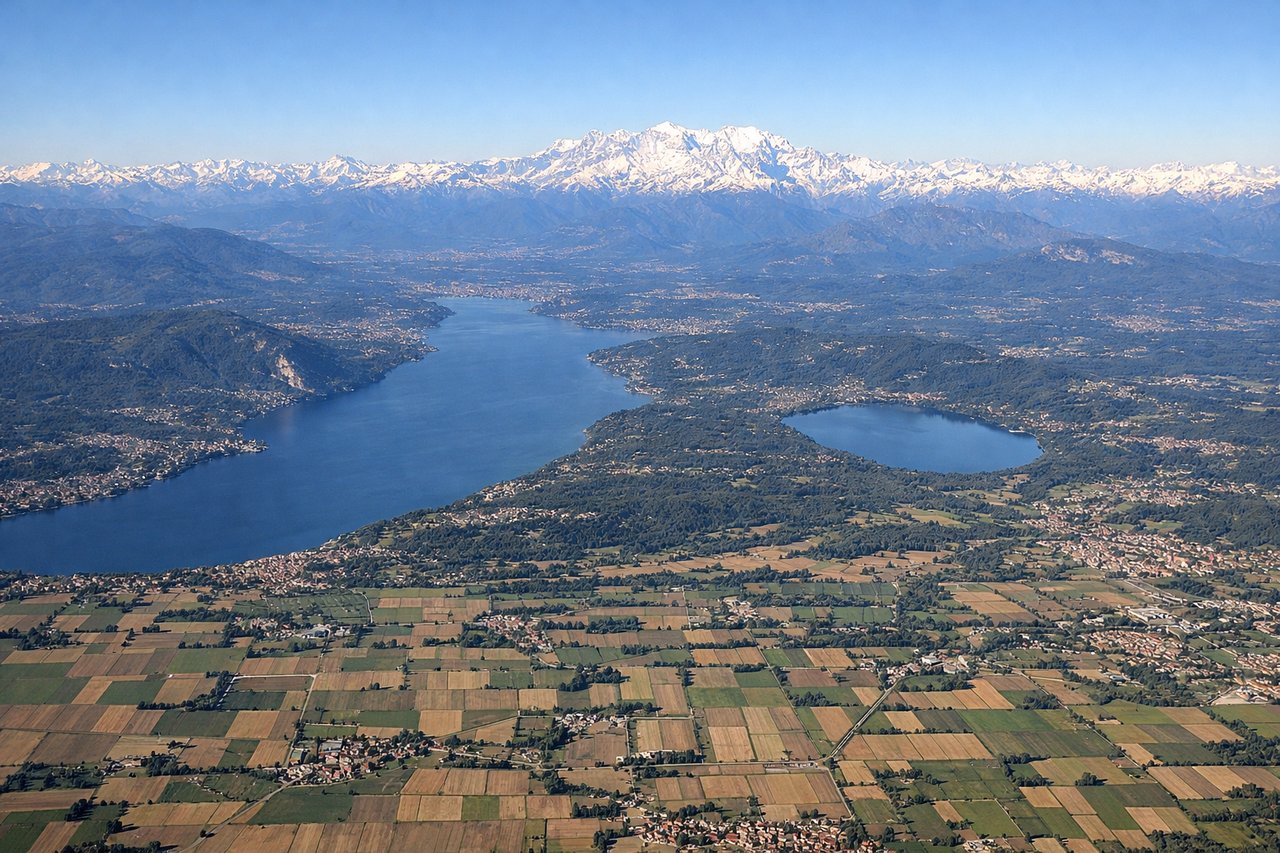
Takeoff from MXP
RIGHTRight-side seats offer views of the Alps during the initial climb-out heading southeast. The aircraft departs Malpensa on a southeast trajectory, and the right wing points directly toward the Alpine chain that dominates the landscape north and east of Milan.
Landing at MCT
LEFTLeft-side seats provide views of the Hajar Mountains and Muscat's coastal geography during descent. The aircraft approaches MCT from the northwest on a southeasterly vector, placing the dramatic mountain range and the city's waterfront on the left side of the fuselage.
Will your flight be in sunlight?
Pick a date and time in the Sun Map to watch the sun move across your whole flight.
About This Route
Which side of the plane should I sit on flying from Malpensa (MXP) to Seeb International (MCT)?
Sit on the Right side of the plane for the best views on flights from Milano to Muscat. Right-side seats capture the Alps at departure, which is the most visually dramatic segment. The landing approach over Muscat's mountains is scenic but brief, whereas the Alpine views during climb-out last 20-30 minutes and offer greater visual variety and scale.
What can I see during takeoff from Malpensa in Milano?
During takeoff from Malpensa (MXP), sit on the Right side for the best views. Right-side seats offer views of the Alps during the initial climb-out heading southeast. The aircraft departs Malpensa on a southeast trajectory, and the right wing points directly toward the Alpine chain that dominates the landscape north and east of Milan. Notable sights include: Alps (Monte Rosa, Gran Paradiso massif), Lake Como (Lago di Como), Po River valley, Milan urban sprawl.
What can I see when landing at Seeb International in Muscat?
When landing at Seeb International (MCT), sit on the Left side for the best views. Left-side seats provide views of the Hajar Mountains and Muscat's coastal geography during descent. The aircraft approaches MCT from the northwest on a southeasterly vector, placing the dramatic mountain range and the city's waterfront on the left side of the fuselage. Notable sights include: Hajar Mountains (Jebel Akhdar range), Muscat harbor and Old Town waterfront, Arabian Sea coastline, Muscat's modern port facilities.
How long is the flight from Milano to Muscat?
The flight from Malpensa (MXP) to Seeb International (MCT) takes about 6 hours. The shortest flight path between them is 3,138 miles (5,051 km); winds and air traffic control usually add a few percent.
What does the Milano to Muscat flight path pass over?
The flight path crosses the Mediterranean Sea south of the Alps, then proceeds over the Balkans (visible: Adriatic coastline, Greek islands if slightly south of direct routing), southern Turkey (Taurus Mountains), Syria/Lebanon (Anti-Lebanon range), and the Arabian Peninsula interior (Syrian Desert transitioning to Arabian Desert). The Levantine coast and Dead Sea region may be visible on the left side during the mid-flight segment. As the aircraft descends toward Muscat, the Strait of Hormuz and the Persian Gulf coastline become visible, with the Hajar Mountains dominating the final approach.