The right side captures the most dramatic scenery: the Hajar Mountains on departure are more visually striking than the relatively flat Po Valley approach. However, left side offers better views during descent into Milan.
Flown MCT to MXP? Did we get it right?
Flight Path
Muscat to Milano is 3,138 miles (5,051 km), a flight of about 6 hours 15 minutes.
The flight path crosses the Persian Gulf (visible as a broad water body with the Iranian coast to the north), then traverses the Zagros Mountains in western Iran (a major north-south trending range with prominent peaks and valleys), continues over the Mesopotamian plains of Iraq and Syria, crosses the Mediterranean near Cyprus or southern Turkey, and approaches the Alps from the northeast. The Zagros range is the most visually distinctive midpoint feature, with its parallel ridges and deep valleys creating strong relief visible from cruise altitude.
Great circle distance and headings ›


Phase by phase
Takeoff from MCT
RIGHTRight side captures the Hajar Mountains immediately inland from Muscat, rising dramatically from the coastal plain. The escarpment is most visible on departure heading northwest, with the mountains' ridges and wadis clearly defined against the desert backdrop.
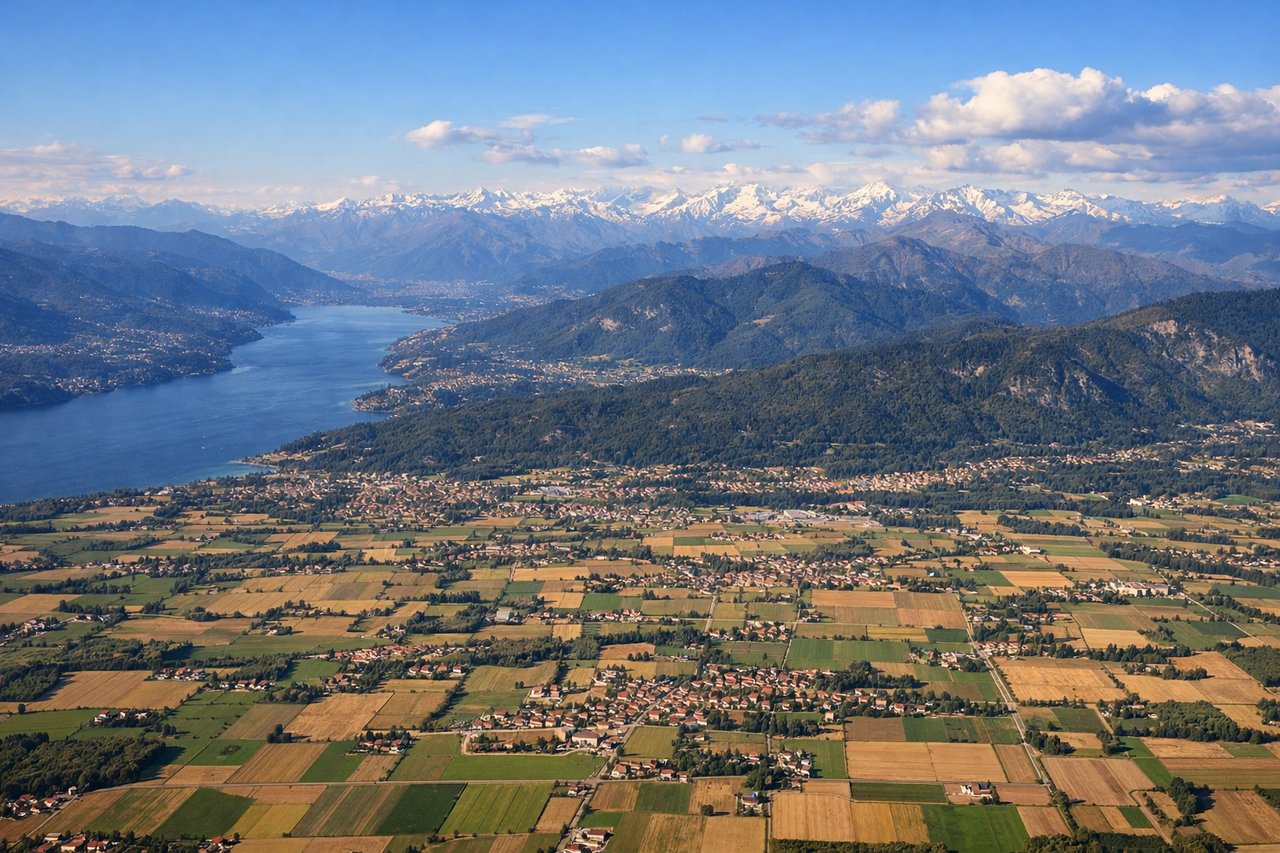
Landing at MXP
LEFTLeft side offers the best approach to Milan's geography. Descending from the northeast, the left side reveals the Alps' southern foothills and the Po River valley spreading westward—the defining features of northern Italy's landscape on final approach to Malpensa.
Will your flight be in sunlight?
Pick a date and time in the Sun Map to watch the sun move across your whole flight.
About This Route
Which side of the plane should I sit on flying from Seeb International (MCT) to Malpensa (MXP)?
Sit on the Right side of the plane for the best views on flights from Muscat to Milano. The right side captures the most dramatic scenery: the Hajar Mountains on departure are more visually striking than the relatively flat Po Valley approach. However, left side offers better views during descent into Milan.
What can I see during takeoff from Seeb International in Muscat?
During takeoff from Seeb International (MCT), sit on the Right side for the best views. Right side captures the Hajar Mountains immediately inland from Muscat, rising dramatically from the coastal plain. The escarpment is most visible on departure heading northwest, with the mountains' ridges and wadis clearly defined against the desert backdrop. Notable sights include: Hajar Mountains (eastern range), Muscat city sprawl along the coast, Arabian Sea coastline, Wadi systems cutting through the piedmont.
What can I see when landing at Malpensa in Milano?
When landing at Malpensa (MXP), sit on the Left side for the best views. Left side offers the best approach to Milan's geography. Descending from the northeast, the left side reveals the Alps' southern foothills and the Po River valley spreading westward—the defining features of northern Italy's landscape on final approach to Malpensa. Notable sights include: Southern Alps foothills, Po River valley and its tributaries, Ticino River, Lombardy plains extending to the horizon.
How long is the flight from Muscat to Milano?
The flight from Seeb International (MCT) to Malpensa (MXP) takes about 6 hours 15 minutes. The shortest flight path between them is 3,138 miles (5,051 km); winds and air traffic control usually add a few percent.
What does the Muscat to Milano flight path pass over?
The flight path crosses the Persian Gulf (visible as a broad water body with the Iranian coast to the north), then traverses the Zagros Mountains in western Iran (a major north-south trending range with prominent peaks and valleys), continues over the Mesopotamian plains of Iraq and Syria, crosses the Mediterranean near Cyprus or southern Turkey, and approaches the Alps from the northeast. The Zagros range is the most visually distinctive midpoint feature, with its parallel ridges and deep valleys creating strong relief visible from cruise altitude.