Milano to Wroclaw is 531 miles (855 km), a flight of about 2 hours 15 minutes.
Right side captures the most dramatic scenery: the Alps during departure are far more visually striking than the relatively flat approach to Wroclaw. The Alpine climb-out alone justifies the right-side choice for this route.
Flight Path
The flight path crosses the Po River valley (visible during early climb), then the Alpine passes and foothills. Midway, the aircraft transitions over the flat plains of southern Austria and Czech Republic—relatively featureless at altitude. The Danube River may be visible in the distance to the southeast during cruise. As the flight progresses northeast toward Poland, the terrain gradually flattens into the Central European Plain. No major mountain ranges are crossed after the Alps; the route is primarily over lowland agricultural regions and scattered forests.
Great circle distance and headings ›.jpg?width=600)


Phase by phase
Takeoff from MXP
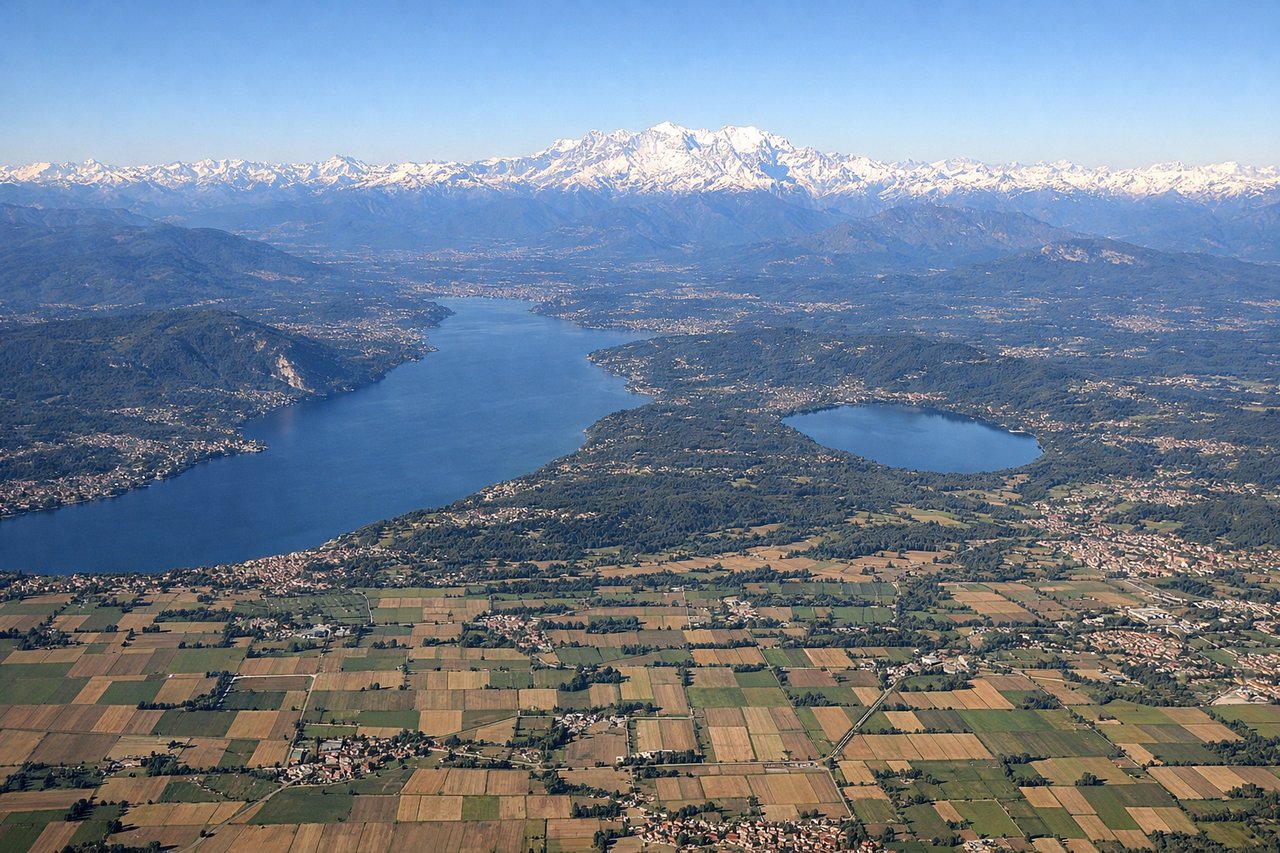
RIGHTRight side offers immediate views of the Alps as the aircraft climbs northeastward from Malpensa. The southern face of the Alps is directly on the departure corridor, with dramatic elevation gain visible within minutes of takeoff.
Landing at WRO
LEFTLeft side provides views of the Oder River valley and Wroclaw's urban landscape during descent. The approach path from the southwest brings the city and surrounding lowlands into clear view on the left side of the aircraft.
Landmarks on this routeAll landmarks →
Will your flight be in sunlight?
Pick a date and time in the Sun Map to watch the sun move across your whole flight.
About This Route
Which side of the plane should I sit on flying from Malpensa (MXP) to Strachowice (WRO)?
Sit on the Right side of the plane for the best views on flights from Milano to Wroclaw. Right side captures the most dramatic scenery: the Alps during departure are far more visually striking than the relatively flat approach to Wroclaw. The Alpine climb-out alone justifies the right-side choice for this route.
What can I see during takeoff from Malpensa in Milano?
During takeoff from Malpensa (MXP), sit on the Right side for the best views. Right side offers immediate views of the Alps as the aircraft climbs northeastward from Malpensa. The southern face of the Alps is directly on the departure corridor, with dramatic elevation gain visible within minutes of takeoff. Notable sights include: Southern Alps (Monte Rosa massif and surrounding peaks), Lake Maggiore to the west, Ticino River valley, Milan urban sprawl receding southward.
What can I see when landing at Strachowice in Wroclaw?
When landing at Strachowice (WRO), sit on the Left side for the best views. Left side provides views of the Oder River valley and Wroclaw's urban landscape during descent. The approach path from the southwest brings the city and surrounding lowlands into clear view on the left side of the aircraft. Notable sights include: Oder River and its meanders, Wroclaw city center and districts, Silesian lowlands with agricultural fields, Oder floodplain wetlands.
How long is the flight from Milano to Wroclaw?
The flight from Malpensa (MXP) to Strachowice (WRO) takes about 2 hours 15 minutes. The shortest flight path between them is 531 miles (855 km); winds and air traffic control usually add a few percent.
What does the Milano to Wroclaw flight path pass over?
The flight path crosses the Po River valley (visible during early climb), then the Alpine passes and foothills. Midway, the aircraft transitions over the flat plains of southern Austria and Czech Republic—relatively featureless at altitude. The Danube River may be visible in the distance to the southeast during cruise. As the flight progresses northeast toward Poland, the terrain gradually flattens into the Central European Plain. No major mountain ranges are crossed after the Alps; the route is primarily over lowland agricultural regions and scattered forests.