Nagpur to Dubai is 1,529 miles (2,461 km), a flight of about 3 hours.
While takeoff from Nagpur offers brief plateau views on the right, the landing approach into Dubai on the left provides far more dramatic and sustained scenery—the Persian Gulf, artificial islands, and coastal development are visually distinctive and iconic. Left-side seats capture the more memorable portion of this route.
Flight Path
The flight path crosses the Thar Desert and Rajasthan region (sparse, flat terrain with minimal landmarks), then transitions over the Arabian Sea. The Aravalli Range may be visible briefly on the left as the aircraft departs western India. The Arabian Sea crossing offers open water with minimal visual interest. The approach to the UAE brings the Musandam Peninsula into view on the left before reaching the Persian Gulf coast.
Great circle distance and headings ›_and_the_Dubai_skyline_(25781049892).jpg?width=600)
.jpg?width=600)
Phase by phase
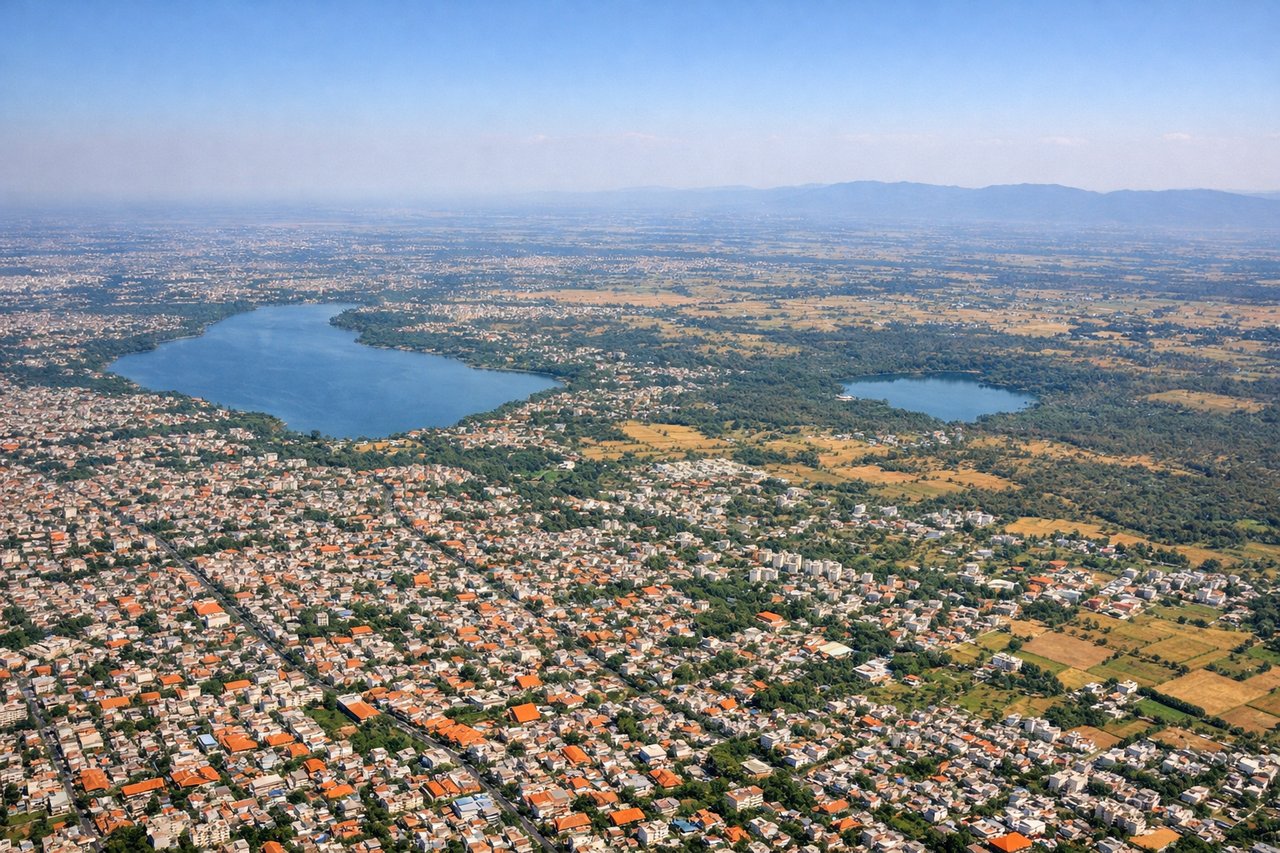
Takeoff from NAG
RIGHTRight-side seats offer views of Nagpur city and the surrounding Deccan Plateau terrain as the aircraft climbs westward. The urban sprawl and plateau landscape provide immediate visual interest during the initial climb phase.
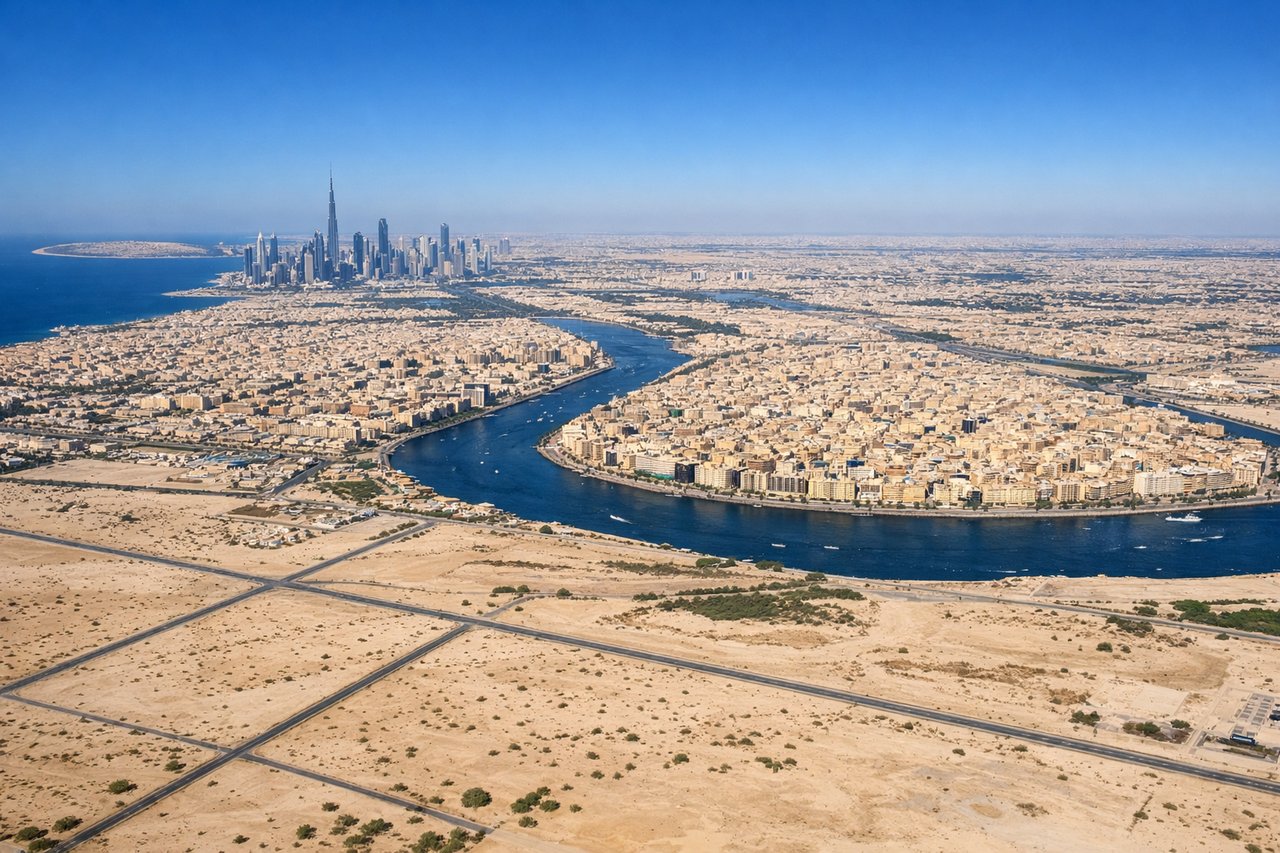
Landing at DXB
LEFTLeft-side seats provide the best views during descent into Dubai. As the aircraft approaches from the southeast, left-side passengers see the Persian Gulf coastline, Dubai's distinctive coastal development, and the transition from desert to urban waterfront.
Landmarks on this routeAll landmarks →
Will your flight be in sunlight?
Pick a date and time in the Sun Map to watch the sun move across your whole flight.
About This Route
Which side of the plane should I sit on flying from Nagpur (NAG) to Dubai International (DXB)?
Sit on the Left side of the plane for the best views on flights from Nagpur to Dubai. While takeoff from Nagpur offers brief plateau views on the right, the landing approach into Dubai on the left provides far more dramatic and sustained scenery—the Persian Gulf, artificial islands, and coastal development are visually distinctive and iconic. Left-side seats capture the more memorable portion of this route.
What can I see during takeoff from Nagpur in Nagpur?
During takeoff from Nagpur (NAG), sit on the Right side for the best views. Right-side seats offer views of Nagpur city and the surrounding Deccan Plateau terrain as the aircraft climbs westward. The urban sprawl and plateau landscape provide immediate visual interest during the initial climb phase. Notable sights include: Nagpur city grid, Deccan Plateau escarpment to the south, Wardha River valley, scattered agricultural fields of central India.
What can I see when landing at Dubai International in Dubai?
When landing at Dubai International (DXB), sit on the Left side for the best views. Left-side seats provide the best views during descent into Dubai. As the aircraft approaches from the southeast, left-side passengers see the Persian Gulf coastline, Dubai's distinctive coastal development, and the transition from desert to urban waterfront. Notable sights include: Persian Gulf waters, Dubai coastline with Palm Jumeirah and The World islands, Arabian Desert inland, Dubai city skyline.
How long is the flight from Nagpur to Dubai?
The flight from Nagpur (NAG) to Dubai International (DXB) takes about 3 hours. The shortest flight path between them is 1,529 miles (2,461 km); winds and air traffic control usually add a few percent.
What does the Nagpur to Dubai flight path pass over?
The flight path crosses the Thar Desert and Rajasthan region (sparse, flat terrain with minimal landmarks), then transitions over the Arabian Sea. The Aravalli Range may be visible briefly on the left as the aircraft departs western India. The Arabian Sea crossing offers open water with minimal visual interest. The approach to the UAE brings the Musandam Peninsula into view on the left before reaching the Persian Gulf coast.