While takeoff favors the right side for Vesuvius and the Bay of Naples, the left side offers a longer stretch of engaging scenery — the Tyrrhenian coastline, Elba, and glimpses of the French Riviera during cruise, plus the brief Paris skyline view on approach — giving it the edge over the full flight.
Flight Path
Apennine foothills of central Italy, Tyrrhenian coastline near Elba, Ligurian Sea, and the Rhone valley approaches into southeastern France
Great circle distance and headings ›_-_75_(50558355441).jpg?width=600)


_Panoramica_del_centro_della_citt%C3%A0_dal_lago.jpg?width=600)
.jpg?width=600)
Phase by phase
Takeoff from NAP
RIGHTDeparting NAP on runway 24, the aircraft climbs out over the city before banking onto its northwesterly course, putting Mount Vesuvius and the Bay of Naples squarely on the right side. Capri and the Sorrento peninsula are often visible in the haze to the south as the plane turns.
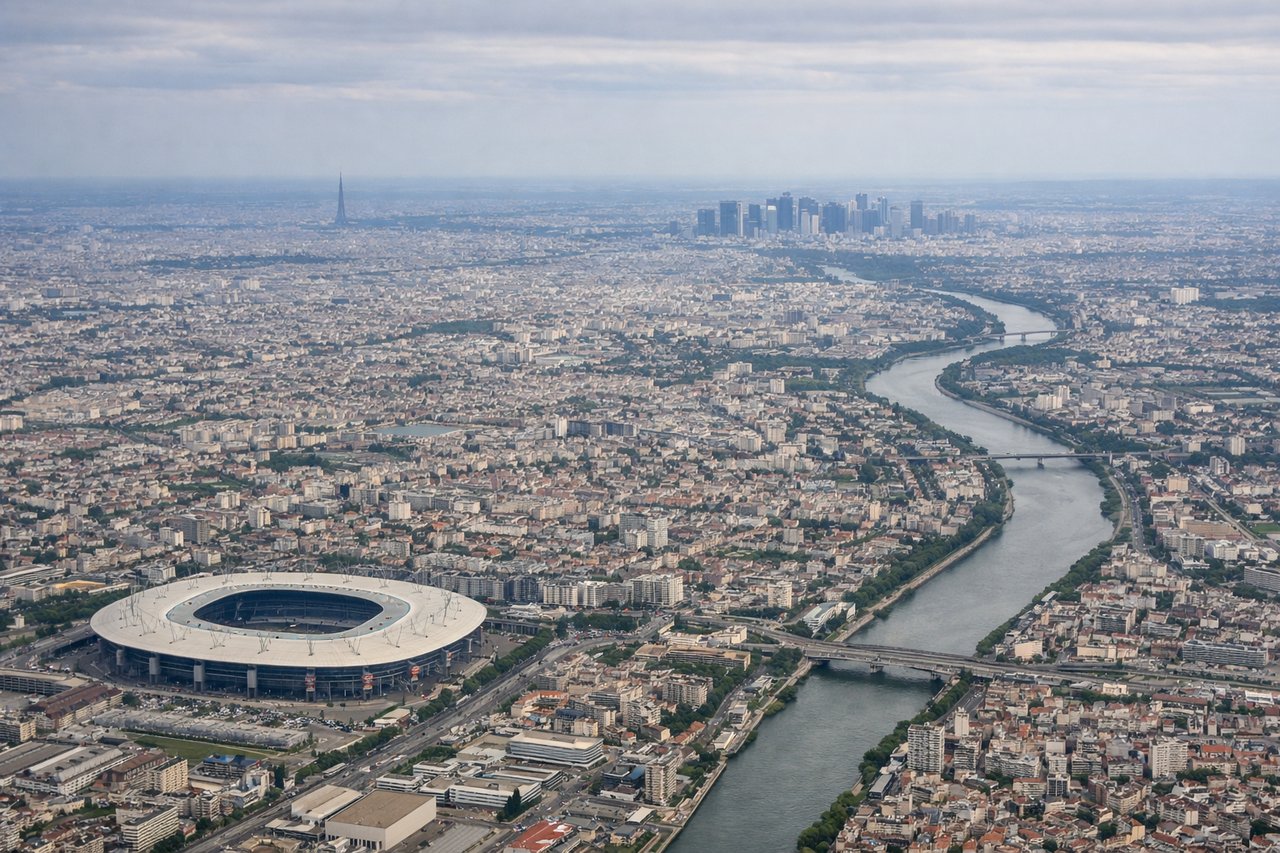
Landing at CDG
LEFTOn approach to CDG from the south under typical westerly-wind operations, aircraft often swing east of Paris before turning onto final for the 26/27 runways, briefly exposing the Paris skyline and the Seine on the left side. It's a fleeting but genuine glimpse of the city before the flat Île-de-France farmland takes over on final approach.
Landmarks on this routeAll landmarks →
Will your flight be in sunlight?
See exactly which side of the plane gets sun and shade at your departure time.
About This Route
Which side of the plane should I sit on flying from Capodichino (NAP) to Charles De Gaulle (CDG)?
Sit on the Left side of the plane for the best views on flights from Naples to Paris. While takeoff favors the right side for Vesuvius and the Bay of Naples, the left side offers a longer stretch of engaging scenery — the Tyrrhenian coastline, Elba, and glimpses of the French Riviera during cruise, plus the brief Paris skyline view on approach — giving it the edge over the full flight.
What can I see during takeoff from Capodichino in Naples?
During takeoff from Capodichino (NAP), sit on the Right side for the best views. Departing NAP on runway 24, the aircraft climbs out over the city before banking onto its northwesterly course, putting Mount Vesuvius and the Bay of Naples squarely on the right side. Capri and the Sorrento peninsula are often visible in the haze to the south as the plane turns. Notable sights include: Mount Vesuvius, Bay of Naples, city of Naples, Capri island.
What can I see when landing at Charles De Gaulle in Paris?
When landing at Charles De Gaulle (CDG), sit on the Left side for the best views. On approach to CDG from the south under typical westerly-wind operations, aircraft often swing east of Paris before turning onto final for the 26/27 runways, briefly exposing the Paris skyline and the Seine on the left side. It's a fleeting but genuine glimpse of the city before the flat Île-de-France farmland takes over on final approach. Notable sights include: Paris skyline (Eiffel Tower area), Seine river bends, Île-de-France farmland patchwork.
How long is the flight from Naples to Paris?
The flight from Capodichino (NAP) to Charles De Gaulle (CDG) takes 2h 10m.
What does the Naples to Paris flight path pass over?
Apennine foothills of central Italy, Tyrrhenian coastline near Elba, Ligurian Sea, and the Rhone valley approaches into southeastern France