The left side wins on the strength of the Naples departure — Vesuvius and the Bay of Naples are a genuinely dramatic, named landmark sequence — plus likely cruise-phase views toward the French Alps and Rhône Valley, outweighing the marginal skyline glimpse on the right during landing.
Flown NAP to LGW? Did we get it right?
Flight Path
Naples to London is 989 miles (1,592 km), a flight of about 2 hours 40 minutes.
The flight path trends north-northwest over central Italy near Rome and Tuscany, then crosses toward the French Alps (Mont Blanc massif) and the Rhône Valley before continuing over central France and the English Channel toward southern England.
Great circle distance and headings ›


Phase by phase
Takeoff from NAP
LEFTDeparting on runway 24, the climb-out swings over the Bay of Naples with Mount Vesuvius rising dramatically on the left before the aircraft turns out to sea. This gives a rare volcanic-coastal view rarely matched on the opposite side, which mostly faces inland hills.
Landing at LGW
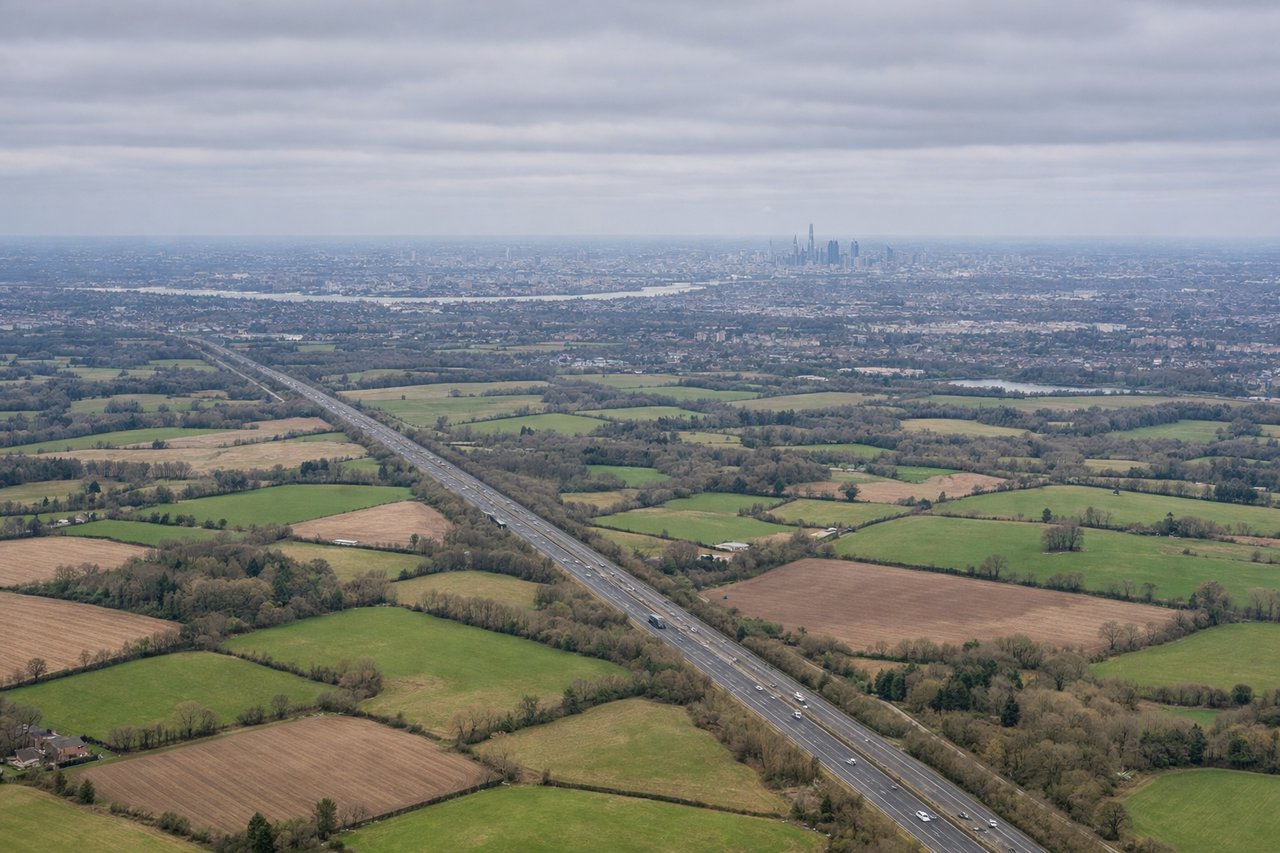
RIGHTOn the approach into Gatwick from the south, the aircraft's downwind and base legs briefly face north, offering a distant but clear view of London's skyline and the North Downs ridge before the final turn onto runway 26. The left side mostly faces open Sussex farmland with no distinguishing features.
Will your flight be in sunlight?
Pick a date and time in the Sun Map to watch the sun move across your whole flight.
About This Route
Which side of the plane should I sit on flying from Capodichino (NAP) to Gatwick (LGW)?
Sit on the Left side of the plane for the best views on flights from Naples to London. The left side wins on the strength of the Naples departure — Vesuvius and the Bay of Naples are a genuinely dramatic, named landmark sequence — plus likely cruise-phase views toward the French Alps and Rhône Valley, outweighing the marginal skyline glimpse on the right during landing.
What can I see during takeoff from Capodichino in Naples?
During takeoff from Capodichino (NAP), sit on the Left side for the best views. Departing on runway 24, the climb-out swings over the Bay of Naples with Mount Vesuvius rising dramatically on the left before the aircraft turns out to sea. This gives a rare volcanic-coastal view rarely matched on the opposite side, which mostly faces inland hills. Notable sights include: Mount Vesuvius, Bay of Naples, Sorrento Peninsula, Capri.
What can I see when landing at Gatwick in London?
When landing at Gatwick (LGW), sit on the Right side for the best views. On the approach into Gatwick from the south, the aircraft's downwind and base legs briefly face north, offering a distant but clear view of London's skyline and the North Downs ridge before the final turn onto runway 26. The left side mostly faces open Sussex farmland with no distinguishing features. Notable sights include: North Downs ridge, distant London skyline (The Shard, City towers), Sussex/Surrey countryside, Gatwick's surrounding woodland.
How long is the flight from Naples to London?
The flight from Capodichino (NAP) to Gatwick (LGW) takes about 2 hours 40 minutes. The shortest flight path between them is 989 miles (1,592 km); winds and air traffic control usually add a few percent.
What does the Naples to London flight path pass over?
The flight path trends north-northwest over central Italy near Rome and Tuscany, then crosses toward the French Alps (Mont Blanc massif) and the Rhône Valley before continuing over central France and the English Channel toward southern England.