The left side wins overall because it captures the most dramatic and varied scenery across the entire flight: Tokyo and possibly Mt. Fuji at departure, then the Kamchatka volcanic chain, Bering Sea coastline, and the Alaska Range's snow-capped peaks during the long polar cruise segment — features far more striking than the largely featureless Arctic Ocean and Hudson Bay views on the right.
Flight Path
Sea of Okhotsk, Kamchatka Peninsula volcanoes, Bering Sea, Alaska Range near Denali, Canadian Arctic tundra
Great circle distance and headings ›

.jpg?width=600)

.jpeg?width=600)
Phase by phase
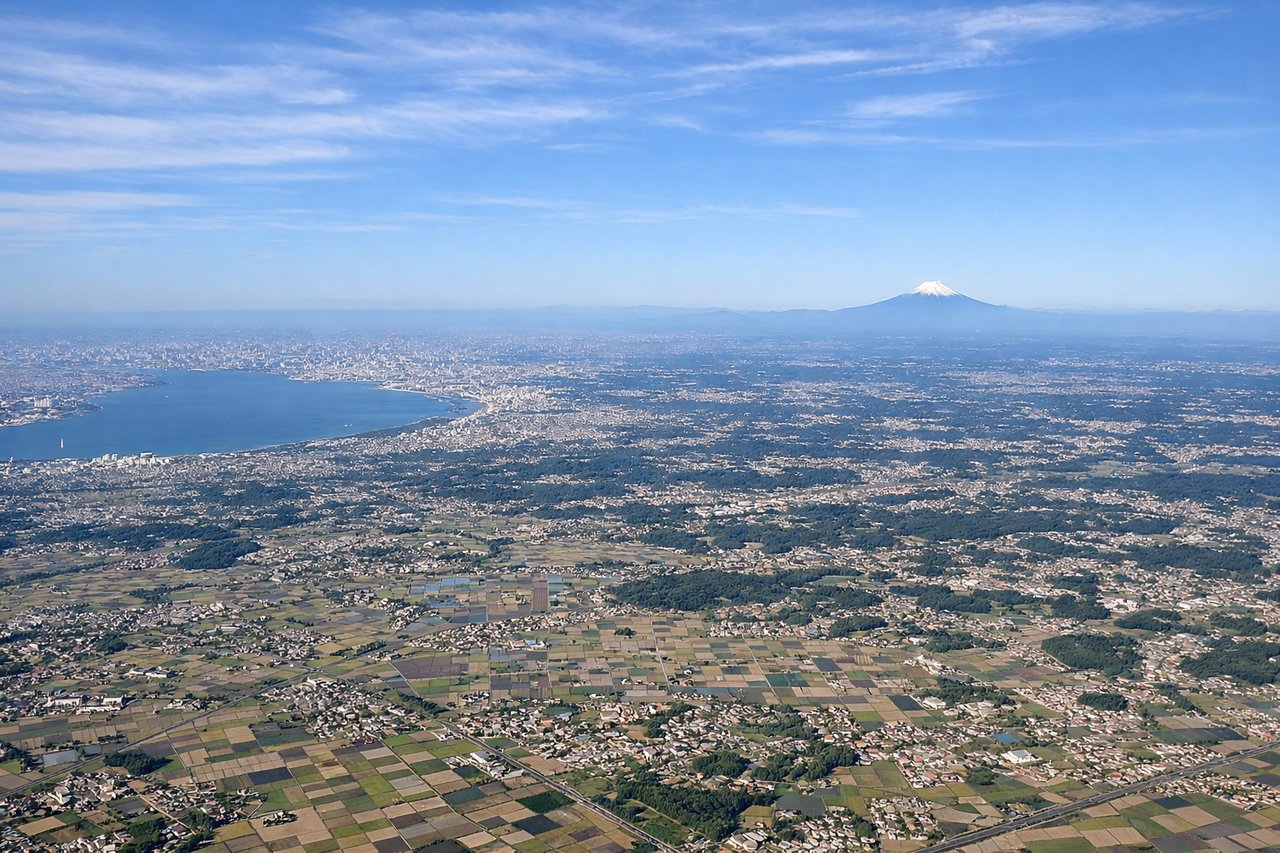
Takeoff from NRT
LEFTDeparting Narita on the typical northbound runway, the initial turn toward the polar routing puts the Tokyo metropolitan sprawl and Tokyo Bay on the left side, with Mt. Fuji's distinctive cone sometimes visible in the distance on clear days. The right side mostly shows open Pacific and the flat Chiba coastline.
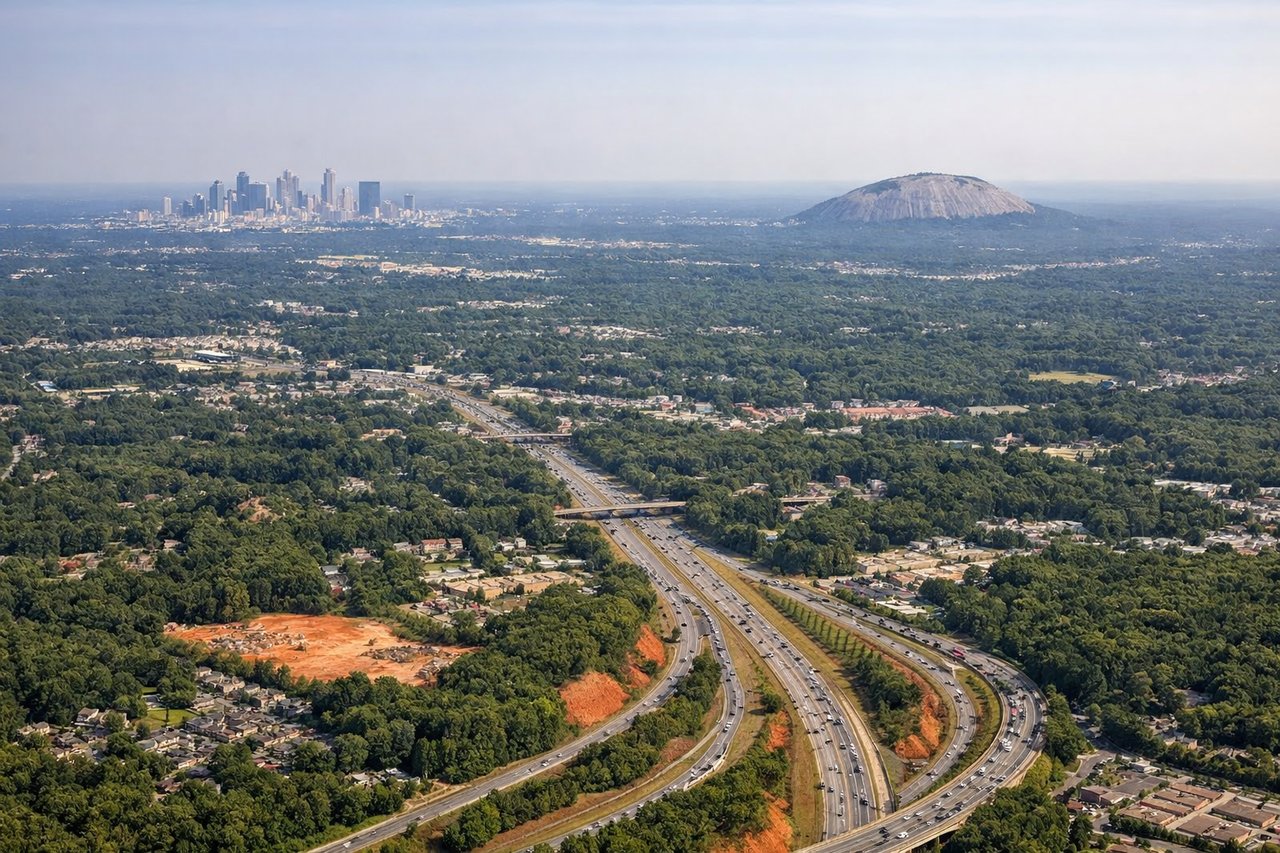
Landing at ATL
RIGHTOn the typical west-flow approach into Atlanta, the aircraft descends from the north and turns to land heading west, putting downtown Atlanta's skyline on the right side of the cabin during final approach. The left side shows mostly rolling Georgia forest and suburban development.
Landmarks on this routeAll landmarks →
Will your flight be in sunlight?
See exactly which side of the plane gets sun and shade at your departure time.
About This Route
Which side of the plane should I sit on flying from New Tokyo International (NRT) to The William B Hartsfield Atlanta International (ATL)?
Sit on the Left side of the plane for the best views on flights from Tokyo to Atlanta. The left side wins overall because it captures the most dramatic and varied scenery across the entire flight: Tokyo and possibly Mt. Fuji at departure, then the Kamchatka volcanic chain, Bering Sea coastline, and the Alaska Range's snow-capped peaks during the long polar cruise segment — features far more striking than the largely featureless Arctic Ocean and Hudson Bay views on the right.
What can I see during takeoff from New Tokyo International in Tokyo?
During takeoff from New Tokyo International (NRT), sit on the Left side for the best views. Departing Narita on the typical northbound runway, the initial turn toward the polar routing puts the Tokyo metropolitan sprawl and Tokyo Bay on the left side, with Mt. Fuji's distinctive cone sometimes visible in the distance on clear days. The right side mostly shows open Pacific and the flat Chiba coastline. Notable sights include: Tokyo Bay, Tokyo skyline, Mt. Fuji (weather permitting), Chiba coastline.
What can I see when landing at The William B Hartsfield Atlanta International in Atlanta?
When landing at The William B Hartsfield Atlanta International (ATL), sit on the Right side for the best views. On the typical west-flow approach into Atlanta, the aircraft descends from the north and turns to land heading west, putting downtown Atlanta's skyline on the right side of the cabin during final approach. The left side shows mostly rolling Georgia forest and suburban development. Notable sights include: Downtown Atlanta skyline, Chattahoochee River, suburban Atlanta forest belt.
How long is the flight from Tokyo to Atlanta?
The flight from New Tokyo International (NRT) to The William B Hartsfield Atlanta International (ATL) takes 13h 25m.
What does the Tokyo to Atlanta flight path pass over?
Sea of Okhotsk, Kamchatka Peninsula volcanoes, Bering Sea, Alaska Range near Denali, Canadian Arctic tundra