Oklahoma City to Seattle is 1,517 miles (2,442 km), a flight of about 3 hours 40 minutes.
The right side wins because it tracks the Rocky Mountain scenery over Wyoming during cruise and finishes with a dramatic Cascade Range and Mount Rainier approach into Seattle, while the left side spends most of the flight over comparatively featureless high plains and basin terrain.
Flight Path
The route crosses the high plains of the Nebraska Panhandle into south-central Wyoming, passing near the Rocky Mountains' Wind River Range and the Absaroka peaks toward Yellowstone before continuing into Idaho and the Cascades.
Great circle distance and headings ›.jpg?width=600)

Phase by phase
Takeoff from OKC
RIGHTAs the aircraft lifts off OKC's north-south runway and banks onto its northwest heading, the right side briefly captures downtown Oklahoma City's skyline and the Oklahoma River before the plains take over. The left side only sees the same flat farmland with no distinguishing landmark.
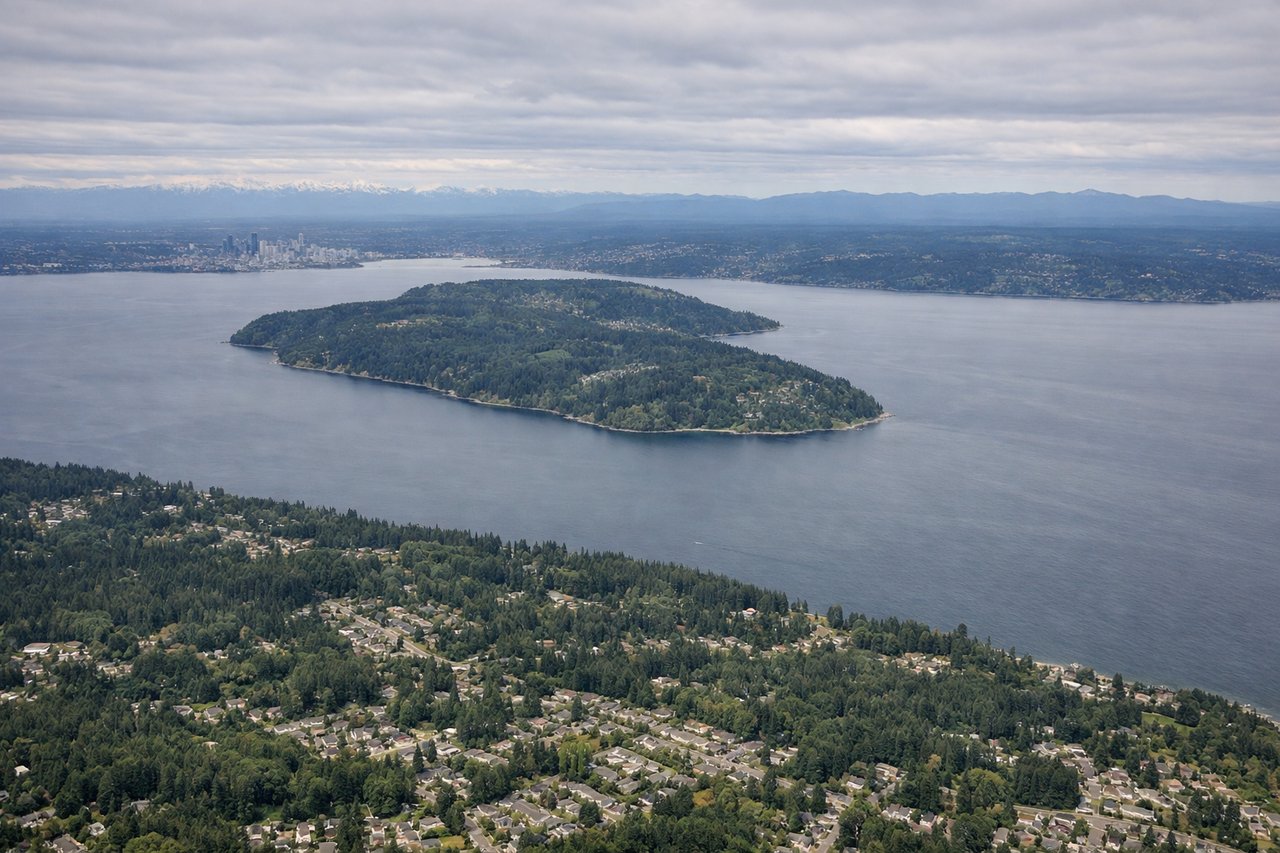
Landing at SEA
RIGHTOn the descent into Sea-Tac from the southeast, the right side faces the Cascades, giving a clear view of Mount Rainier's glaciated summit and the forested foothills before the plane crosses into the Puget Sound lowlands. The left side mostly shows the flatter Kent Valley and industrial corridor south of the airport.
Landmarks on this routeAll landmarks →
Will your flight be in sunlight?
Pick a date and time in the Sun Map to watch the sun move across your whole flight.
About This Route
Which side of the plane should I sit on flying from Will Rogers World (OKC) to Seattle Tacoma International (SEA)?
Sit on the Right side of the plane for the best views on flights from Oklahoma City to Seattle. The right side wins because it tracks the Rocky Mountain scenery over Wyoming during cruise and finishes with a dramatic Cascade Range and Mount Rainier approach into Seattle, while the left side spends most of the flight over comparatively featureless high plains and basin terrain.
What can I see during takeoff from Will Rogers World in Oklahoma City?
During takeoff from Will Rogers World (OKC), sit on the Right side for the best views. As the aircraft lifts off OKC's north-south runway and banks onto its northwest heading, the right side briefly captures downtown Oklahoma City's skyline and the Oklahoma River before the plains take over. The left side only sees the same flat farmland with no distinguishing landmark. Notable sights include: Downtown Oklahoma City skyline, Oklahoma River, grid-pattern farmland.
What can I see when landing at Seattle Tacoma International in Seattle?
When landing at Seattle Tacoma International (SEA), sit on the Right side for the best views. On the descent into Sea-Tac from the southeast, the right side faces the Cascades, giving a clear view of Mount Rainier's glaciated summit and the forested foothills before the plane crosses into the Puget Sound lowlands. The left side mostly shows the flatter Kent Valley and industrial corridor south of the airport. Notable sights include: Mount Rainier, Cascade Range foothills, Lake Washington, downtown Seattle skyline.
How long is the flight from Oklahoma City to Seattle?
The flight from Will Rogers World (OKC) to Seattle Tacoma International (SEA) takes about 3 hours 40 minutes. The shortest flight path between them is 1,517 miles (2,442 km); winds and air traffic control usually add a few percent.
What does the Oklahoma City to Seattle flight path pass over?
The route crosses the high plains of the Nebraska Panhandle into south-central Wyoming, passing near the Rocky Mountains' Wind River Range and the Absaroka peaks toward Yellowstone before continuing into Idaho and the Cascades.