The left side wins both takeoff and landing: Chicago's lakefront skyline at departure and Iceland's volcanic coastal terrain at arrival, while the right side sees mostly flat Midwest fields and open ocean.
Flight Path
Chicago to Keflavik is 2,936 miles (4,725 km), a flight of about 6 hours 5 minutes.
The route crosses eastern Canada near Quebec's forested terrain and the Gulf of St. Lawrence, then several hours of open North Atlantic Ocean with no visible landmarks until Iceland's coast appears.
Great circle distance and headings ›

Phase by phase
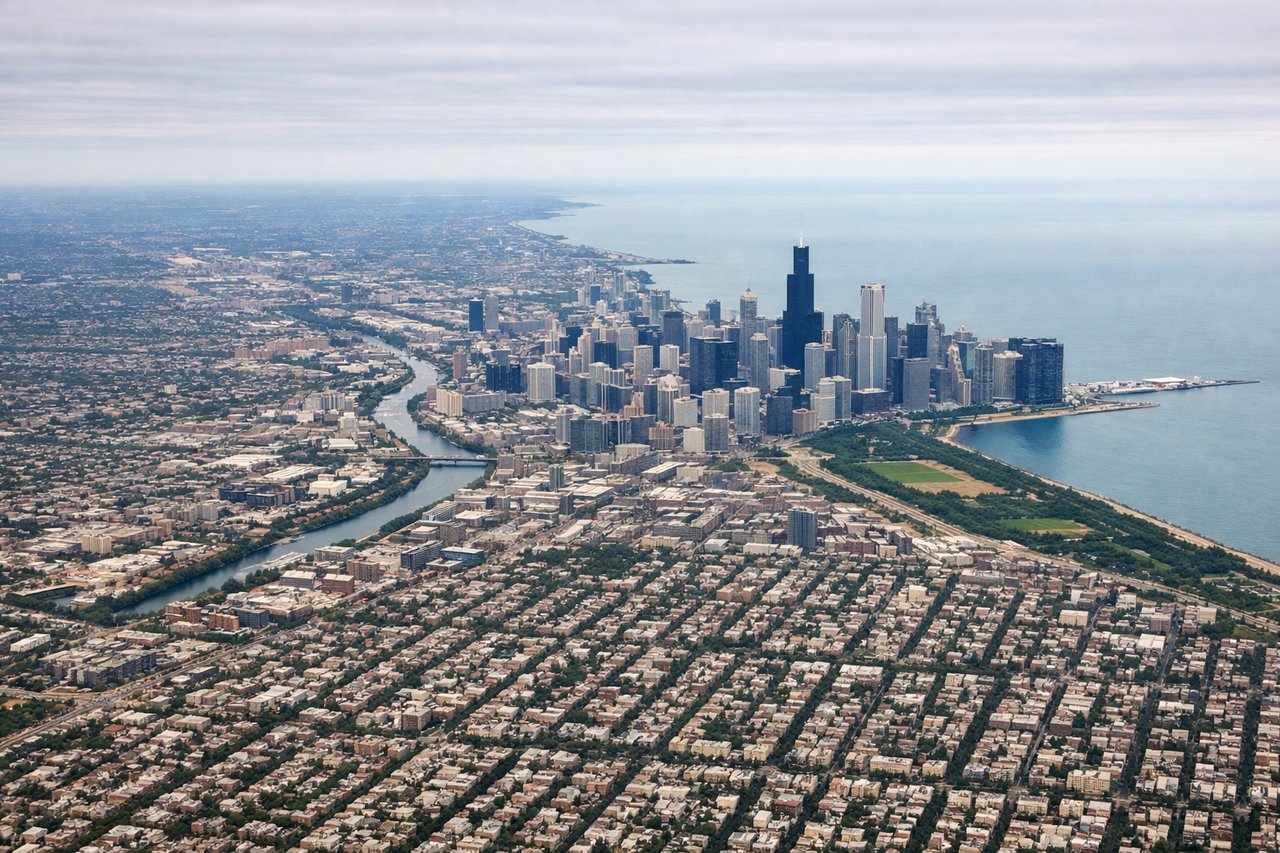
Takeoff from ORD
LEFTDeparting ORD to the northeast, the left side offers views over Lake Michigan and Chicago's shoreline skyline including the Loop's skyscrapers, before the route heads out over Wisconsin and Michigan farmland. The right side just sees flat Illinois suburbs receding.
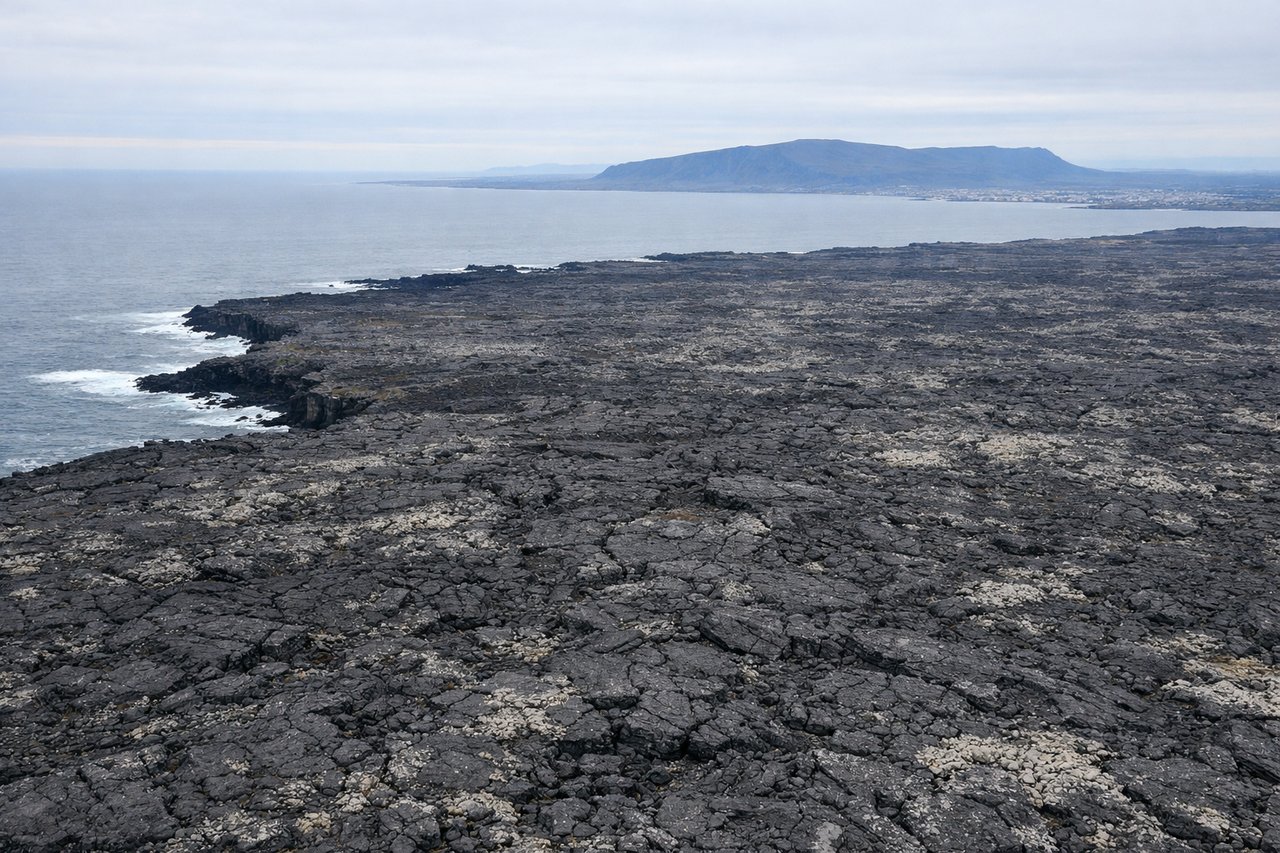
Landing at KEF
LEFTArriving into Keflavik from the southwest over the North Atlantic, the left side typically catches Iceland's rugged southern coastline and the black lava fields of the Reykjanes Peninsula as the plane descends. The right side mostly faces open ocean until very late in the approach.
Landmarks on this routeAll landmarks →
Will your flight be in sunlight?
Pick a date and time in the Sun Map to watch the sun move across your whole flight.
About This Route
Which side of the plane should I sit on flying from Chicago Ohare International (ORD) to Keflavik Nas (KEF)?
Sit on the Left side of the plane for the best views on flights from Chicago to Keflavik. The left side wins both takeoff and landing: Chicago's lakefront skyline at departure and Iceland's volcanic coastal terrain at arrival, while the right side sees mostly flat Midwest fields and open ocean.
What can I see during takeoff from Chicago Ohare International in Chicago?
During takeoff from Chicago Ohare International (ORD), sit on the Left side for the best views. Departing ORD to the northeast, the left side offers views over Lake Michigan and Chicago's shoreline skyline including the Loop's skyscrapers, before the route heads out over Wisconsin and Michigan farmland. The right side just sees flat Illinois suburbs receding. Notable sights include: Chicago skyline (Willis Tower, Loop), Lake Michigan shoreline, Navy Pier.
What can I see when landing at Keflavik Nas in Keflavik?
When landing at Keflavik Nas (KEF), sit on the Left side for the best views. Arriving into Keflavik from the southwest over the North Atlantic, the left side typically catches Iceland's rugged southern coastline and the black lava fields of the Reykjanes Peninsula as the plane descends. The right side mostly faces open ocean until very late in the approach. Notable sights include: Reykjanes Peninsula lava fields, Atlantic coastline cliffs, geothermal steam vents, Reykjavik in the distance.
How long is the flight from Chicago to Keflavik?
The flight from Chicago Ohare International (ORD) to Keflavik Nas (KEF) takes about 6 hours 5 minutes. The shortest flight path between them is 2,936 miles (4,725 km); winds and air traffic control usually add a few percent.
What does the Chicago to Keflavik flight path pass over?
The route crosses eastern Canada near Quebec's forested terrain and the Gulf of St. Lawrence, then several hours of open North Atlantic Ocean with no visible landmarks until Iceland's coast appears.