The right side strings together the flight's best moments: a last look at Chicago and Lake Michigan on departure, likely views of the Rockies, Great Salt Lake, and Sierra Nevada during cruise, and a scenic bay approach with San Francisco and the Golden Gate Bridge on landing.
Flight Path
Southern Wyoming and Utah stretch of the Rocky Mountains, the Great Salt Lake and Wasatch Range, Nevada's Basin and Range desert, and the Sierra Nevada near Reno before descending into California's Central Valley
Great circle distance and headings ›


Phase by phase
Takeoff from ORD
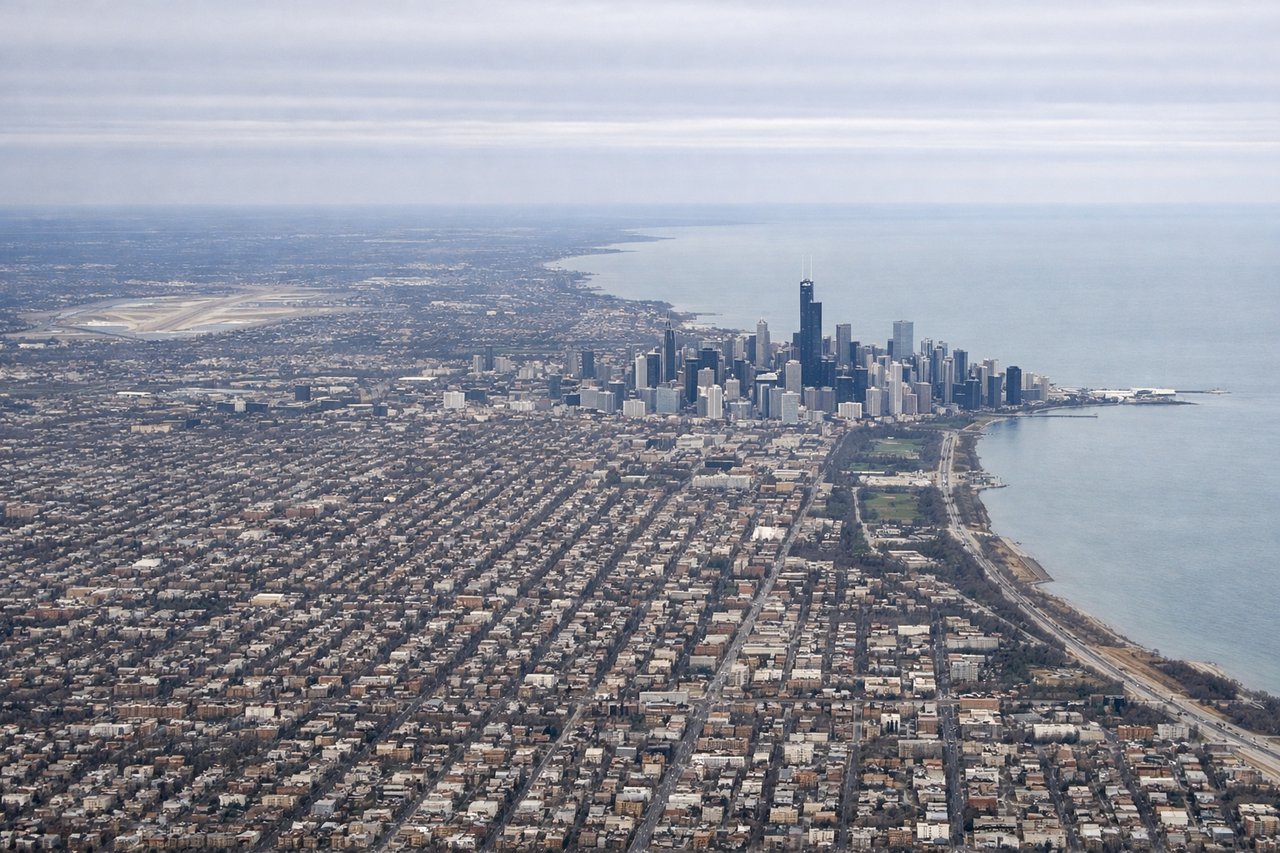
RIGHTWestbound departures out of ORD climb over flat Illinois farmland on both sides, but on the right (north-facing) side passengers get a brief look back at the Chicago skyline and the edge of Lake Michigan before the aircraft settles onto its westward track. The left side only sees featureless grid farmland.
Landing at SFO
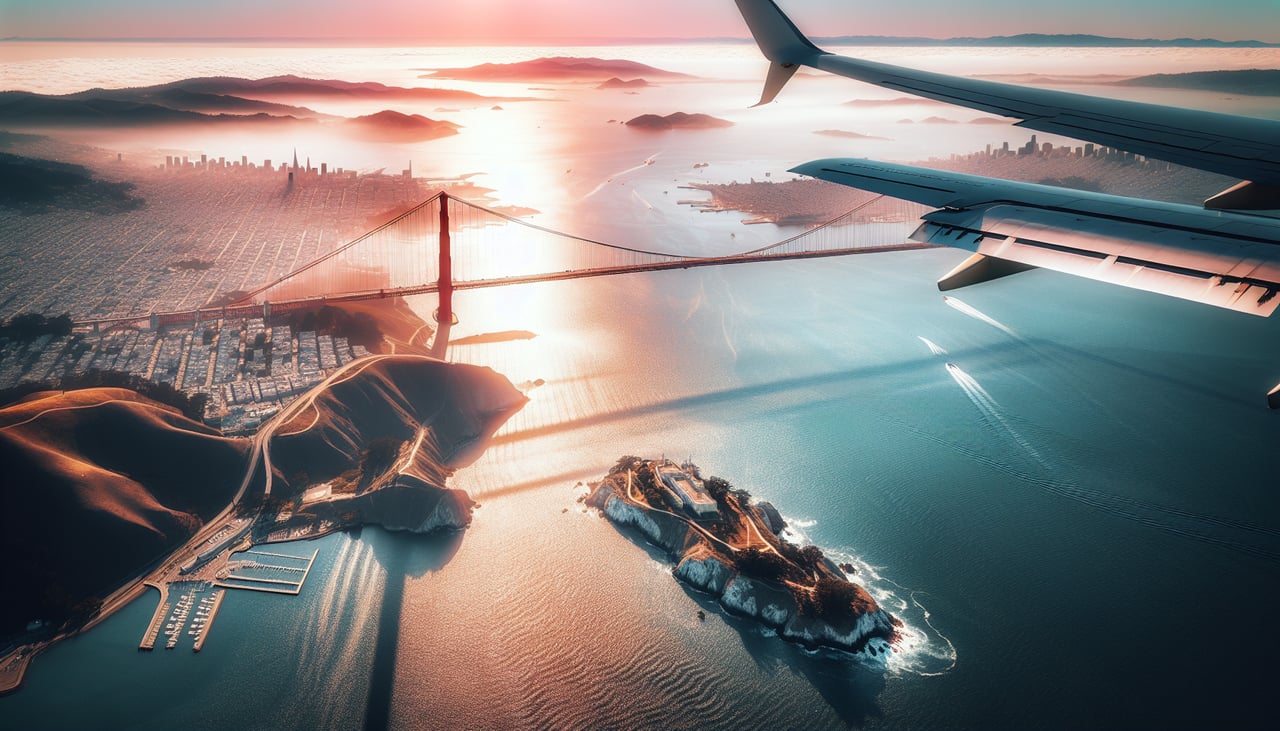
RIGHTOn approach into SFO from the east, the flight path swings over the South Bay before turning up the Peninsula, and the right side faces north toward San Francisco itself. Passengers get a strong view of the city skyline, the Bay, and the Golden Gate Bridge, while the left side mostly sees San Jose and the South Bay suburbs.
Landmarks on this routeAll landmarks →
Will your flight be in sunlight?
See exactly which side of the plane gets sun and shade at your departure time.
About This Route
Which side of the plane should I sit on flying from Chicago Ohare International (ORD) to San Francisco International (SFO)?
Sit on the Right side of the plane for the best views on flights from Chicago to San Francisco. The right side strings together the flight's best moments: a last look at Chicago and Lake Michigan on departure, likely views of the Rockies, Great Salt Lake, and Sierra Nevada during cruise, and a scenic bay approach with San Francisco and the Golden Gate Bridge on landing.
What can I see during takeoff from Chicago Ohare International in Chicago?
During takeoff from Chicago Ohare International (ORD), sit on the Right side for the best views. Westbound departures out of ORD climb over flat Illinois farmland on both sides, but on the right (north-facing) side passengers get a brief look back at the Chicago skyline and the edge of Lake Michigan before the aircraft settles onto its westward track. The left side only sees featureless grid farmland. Notable sights include: Chicago skyline (brief glimpse), Lake Michigan shoreline, checkerboard farmland of northern Illinois, DuPage River valley.
What can I see when landing at San Francisco International in San Francisco?
When landing at San Francisco International (SFO), sit on the Right side for the best views. On approach into SFO from the east, the flight path swings over the South Bay before turning up the Peninsula, and the right side faces north toward San Francisco itself. Passengers get a strong view of the city skyline, the Bay, and the Golden Gate Bridge, while the left side mostly sees San Jose and the South Bay suburbs. Notable sights include: San Francisco skyline, Golden Gate Bridge, San Francisco Bay, Marin Headlands.
How long is the flight from Chicago to San Francisco?
The flight from Chicago Ohare International (ORD) to San Francisco International (SFO) takes 4h 20m.
What does the Chicago to San Francisco flight path pass over?
Southern Wyoming and Utah stretch of the Rocky Mountains, the Great Salt Lake and Wasatch Range, Nevada's Basin and Range desert, and the Sierra Nevada near Reno before descending into California's Central Valley