The left side captures the most dramatic scenery of the flight: the Oslofjord and Oslo on departure, then the Alps during the European overflight, and the Aegean coastline over Greece. The right side at landing over Doha is good but brief. Left wins overall for the sustained variety across the full route.
Flight Path
The route tracks southeast from Oslo across southern Sweden and Denmark, then over Germany and Austria where the Alps are visible — the Bavarian Alps and Austrian Alps appear as a broad white-capped mountain arc. Over the Balkans, the Adriatic coast of Croatia may be visible. The route then crosses Greece and the Aegean Sea with its scattered islands, before passing over Turkey, then descending over the Arabian Peninsula. The Zagros Mountains of Iran may be visible on the left if routing goes that way, and the Persian Gulf coastline appears on descent into Qatar.
Great circle distance and headings ›

Phase by phase
Takeoff from OSL
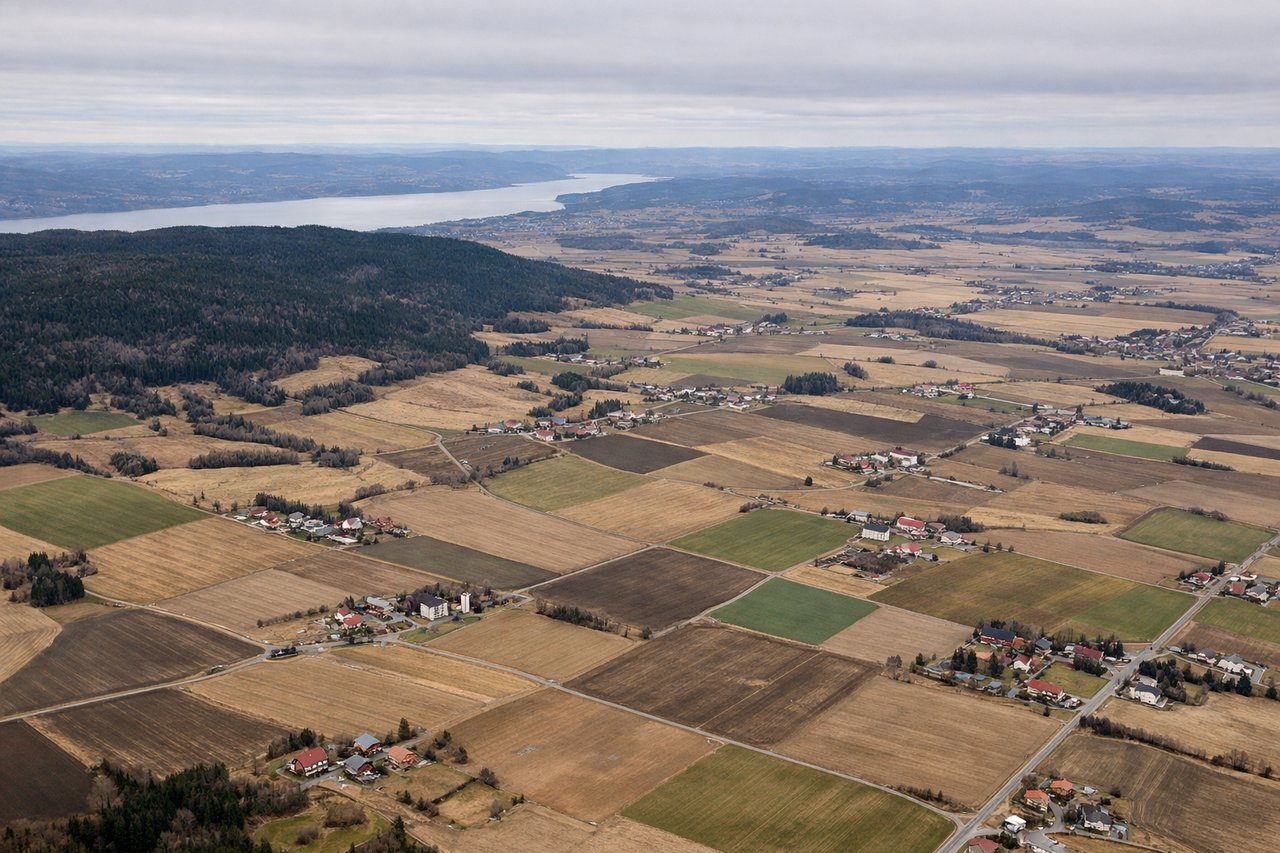
LEFTGardermoen's primary departure runway 01L/19R means southbound departures climb out heading south, putting the Oslofjord and the city of Oslo on the right side initially, but a left turn toward the southeast brings the fjord and Oslo's eastern districts into view on the left. Departures routing southeast toward Europe typically bank left, giving left-seat passengers a clear look down the Oslofjord and the Østmarka forest ridge.
Landing at DOH
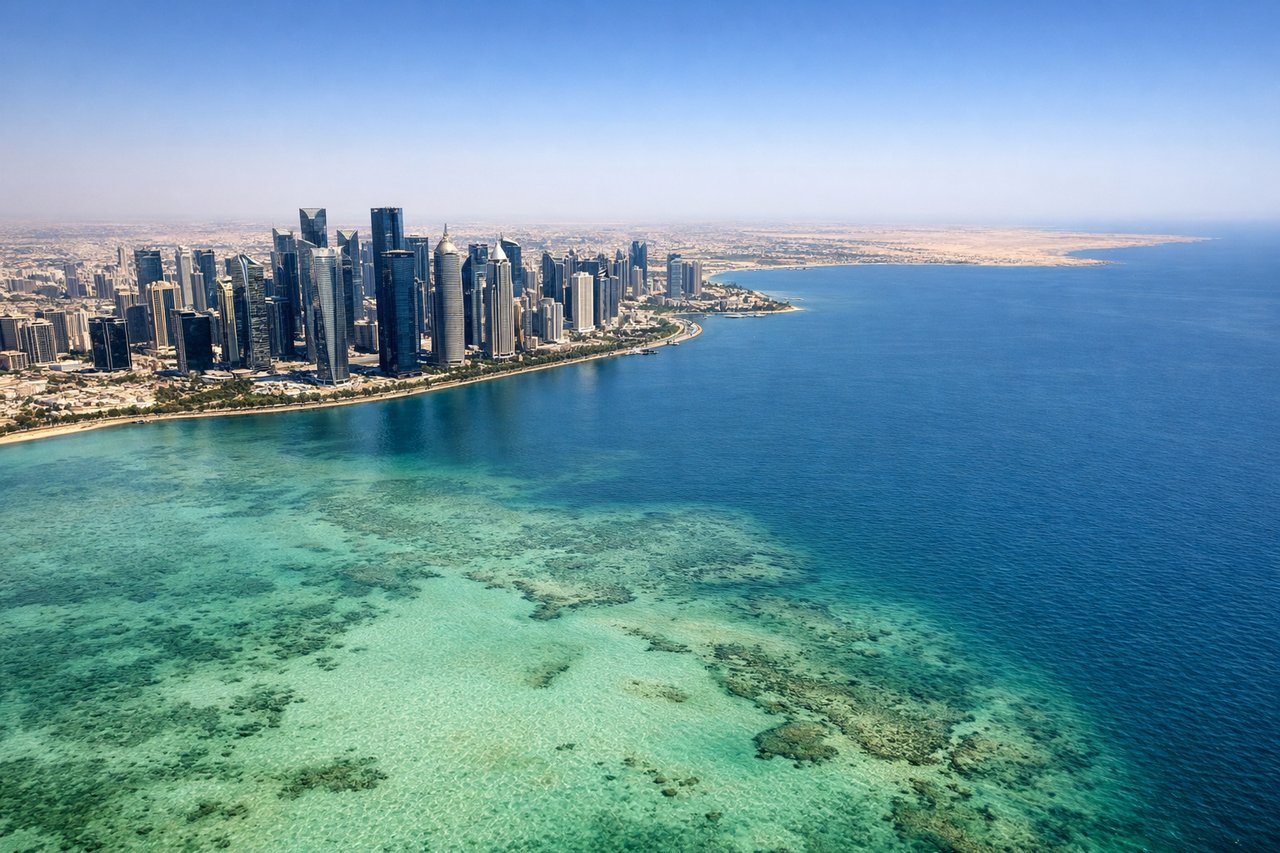
RIGHTDoha Hamad International (DOH) — note the routing actually serves the older Doha International Airport at the coordinates given, but approaches from the northwest over the Arabian Gulf are standard. Aircraft typically approach from the northwest over the Gulf, giving right-side passengers a view of the Doha skyline, West Bay skyscrapers, and the shallow turquoise waters of the Gulf before touchdown.
Landmarks on this routeAll landmarks →
Will your flight be in sunlight?
See exactly which side of the plane gets sun and shade at your departure time.
About This Route
Which side of the plane should I sit on flying from Oslo Gardermoen (OSL) to Hamad International Airport (DOH)?
Sit on the Left side of the plane for the best views on flights from Oslo to Doha. The left side captures the most dramatic scenery of the flight: the Oslofjord and Oslo on departure, then the Alps during the European overflight, and the Aegean coastline over Greece. The right side at landing over Doha is good but brief. Left wins overall for the sustained variety across the full route.
What can I see during takeoff from Oslo Gardermoen in Oslo?
During takeoff from Oslo Gardermoen (OSL), sit on the Left side for the best views. Gardermoen's primary departure runway 01L/19R means southbound departures climb out heading south, putting the Oslofjord and the city of Oslo on the right side initially, but a left turn toward the southeast brings the fjord and Oslo's eastern districts into view on the left. Departures routing southeast toward Europe typically bank left, giving left-seat passengers a clear look down the Oslofjord and the Østmarka forest ridge. Notable sights include: Oslofjord (the long narrow inlet stretching south), Lake Mjøsa (Norway's largest lake, visible to the northwest during climb), Oslo city center and Bjørvika waterfront, Romerike plain farmland immediately below Gardermoen.
What can I see when landing at Hamad International Airport in Doha?
When landing at Hamad International Airport (DOH), sit on the Right side for the best views. Doha Hamad International (DOH) — note the routing actually serves the older Doha International Airport at the coordinates given, but approaches from the northwest over the Arabian Gulf are standard. Aircraft typically approach from the northwest over the Gulf, giving right-side passengers a view of the Doha skyline, West Bay skyscrapers, and the shallow turquoise waters of the Gulf before touchdown. Notable sights include: West Bay skyscraper cluster (Doha's distinctive downtown waterfront), Arabian Gulf shallow turquoise shallows, Qatar's low flat desert interior, Palm Tree Island and the corniche waterfront arc.
How long is the flight from Oslo to Doha?
The flight from Oslo Gardermoen (OSL) to Hamad International Airport (DOH) takes Approximately 6 hours 30 minutes to 7 hours.
What does the Oslo to Doha flight path pass over?
The route tracks southeast from Oslo across southern Sweden and Denmark, then over Germany and Austria where the Alps are visible — the Bavarian Alps and Austrian Alps appear as a broad white-capped mountain arc. Over the Balkans, the Adriatic coast of Croatia may be visible. The route then crosses Greece and the Aegean Sea with its scattered islands, before passing over Turkey, then descending over the Arabian Peninsula. The Zagros Mountains of Iran may be visible on the left if routing goes that way, and the Persian Gulf coastline appears on descent into Qatar.