Oslo to London is 749 miles (1,206 km), a flight of about 2 hours 15 minutes.
Left wins at takeoff for the Mjøsa lake views, but right wins the more dramatic and sustained payoff: the North Sea crossing, the English coastline arrival, and the iconic London approach over the Thames. Since the London arrival is the visual highlight of the route and right-side passengers also get decent views of the Danish and Dutch coasts during cruise, right is the better overall seat.
Flight Path
The route crosses the Skagerrak strait between Norway and Denmark, then tracks over southern Denmark and the Jutland peninsula, crosses the North Sea at a relatively narrow point, makes landfall over the East Anglian coast of England (Norfolk or Suffolk depending on routing), then tracks southwest over the English Midlands before descending into Heathrow. The North Sea crossing takes roughly 30-40 minutes at cruise altitude.
Great circle distance and headings ›
.jpeg?width=600)
Phase by phase
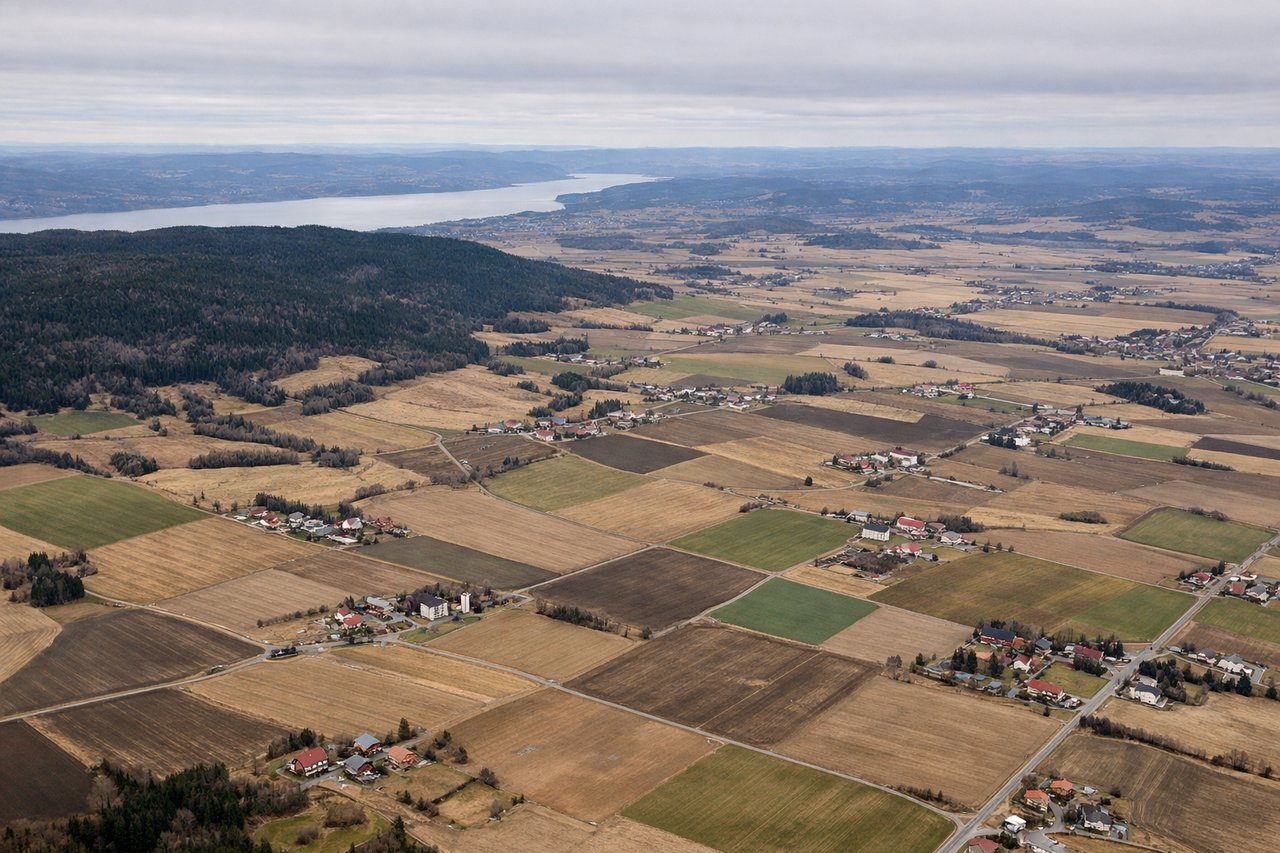
Takeoff from OSL
LEFTGardermoen's primary departure runway 01L/19R means southbound departures to London typically use runway 01L heading north then turning south, or runway 19R heading directly south. On a southbound departure, the left (east) side gives you a view over the Mjøsa lake — Norway's largest — and the forested Hedmarken plateau. The right side faces west toward lower terrain with less visual interest.
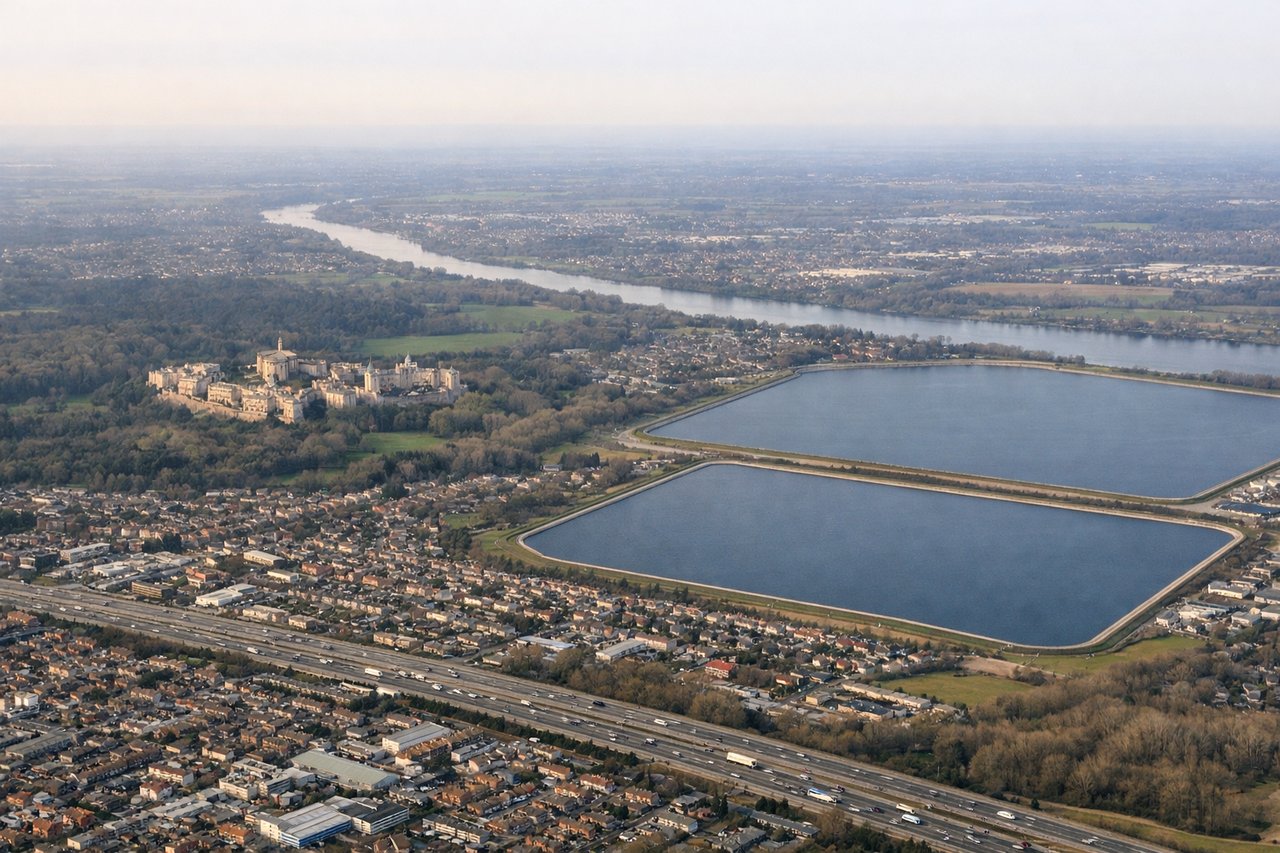
Landing at LHR
RIGHTHeathrow predominantly uses easterly operations, with aircraft on final approach to runways 27L/27R coming in from the east over London. On this westbound approach, the right (north) side gives a clear view over central London — the Thames, City of London, and landmarks along the river — while the left side looks south over suburban Surrey with far less to see.
Landmarks on this routeAll landmarks →
Will your flight be in sunlight?
Pick a date and time in the Sun Map to watch the sun move across your whole flight.
About This Route
Which side of the plane should I sit on flying from Oslo Gardermoen (OSL) to Heathrow (LHR)?
Sit on the Right side of the plane for the best views on flights from Oslo to London. Left wins at takeoff for the Mjøsa lake views, but right wins the more dramatic and sustained payoff: the North Sea crossing, the English coastline arrival, and the iconic London approach over the Thames. Since the London arrival is the visual highlight of the route and right-side passengers also get decent views of the Danish and Dutch coasts during cruise, right is the better overall seat.
What can I see during takeoff from Oslo Gardermoen in Oslo?
During takeoff from Oslo Gardermoen (OSL), sit on the Left side for the best views. Gardermoen's primary departure runway 01L/19R means southbound departures to London typically use runway 01L heading north then turning south, or runway 19R heading directly south. On a southbound departure, the left (east) side gives you a view over the Mjøsa lake — Norway's largest — and the forested Hedmarken plateau. The right side faces west toward lower terrain with less visual interest. Notable sights include: Lake Mjøsa (Norway's largest lake, clearly visible as a long narrow body of water to the east), Eidsvoll town near the southern tip of Mjøsa, the forested Romerike plateau stretching east, and the Oslofjord visible in the distance to the south as the aircraft climbs and turns.
What can I see when landing at Heathrow in London?
When landing at Heathrow (LHR), sit on the Right side for the best views. Heathrow predominantly uses easterly operations, with aircraft on final approach to runways 27L/27R coming in from the east over London. On this westbound approach, the right (north) side gives a clear view over central London — the Thames, City of London, and landmarks along the river — while the left side looks south over suburban Surrey with far less to see. Notable sights include: River Thames snaking through central London, the City of London financial district and Canary Wharf towers visible to the northeast, Windsor Castle and Windsor Great Park to the west as you descend over Berkshire, and the M25 motorway ring visible as a broad grey arc cutting through the suburban landscape.
How long is the flight from Oslo to London?
The flight from Oslo Gardermoen (OSL) to Heathrow (LHR) takes about 2 hours 15 minutes. The shortest flight path between them is 749 miles (1,206 km); winds and air traffic control usually add a few percent.
What does the Oslo to London flight path pass over?
The route crosses the Skagerrak strait between Norway and Denmark, then tracks over southern Denmark and the Jutland peninsula, crosses the North Sea at a relatively narrow point, makes landfall over the East Anglian coast of England (Norfolk or Suffolk depending on routing), then tracks southwest over the English Midlands before descending into Heathrow. The North Sea crossing takes roughly 30-40 minutes at cruise altitude.