The left side tracks the more geographically varied southern arc of the route, taking in the Oslofjord at departure, the Black Sea and Anatolian terrain of Turkey, the Zagros foothills of Iran, and finally the Persian Gulf coastline into Dubai, while the right side mostly overlooks flatter Eastern European and Central Asian steppe.
Flown OSL to DXB? Did we get it right?
Flight Path
Oslo to Dubai is 3,193 miles (5,138 km), a flight of about 6 hours 25 minutes.
The flight path crosses the Baltic states, skirts the Black Sea near Turkey's northern coast, then continues over the Anatolian plateau and the Zagros Mountains of western Iran before descending toward the Persian Gulf.
Great circle distance and headings ›


Phase by phase
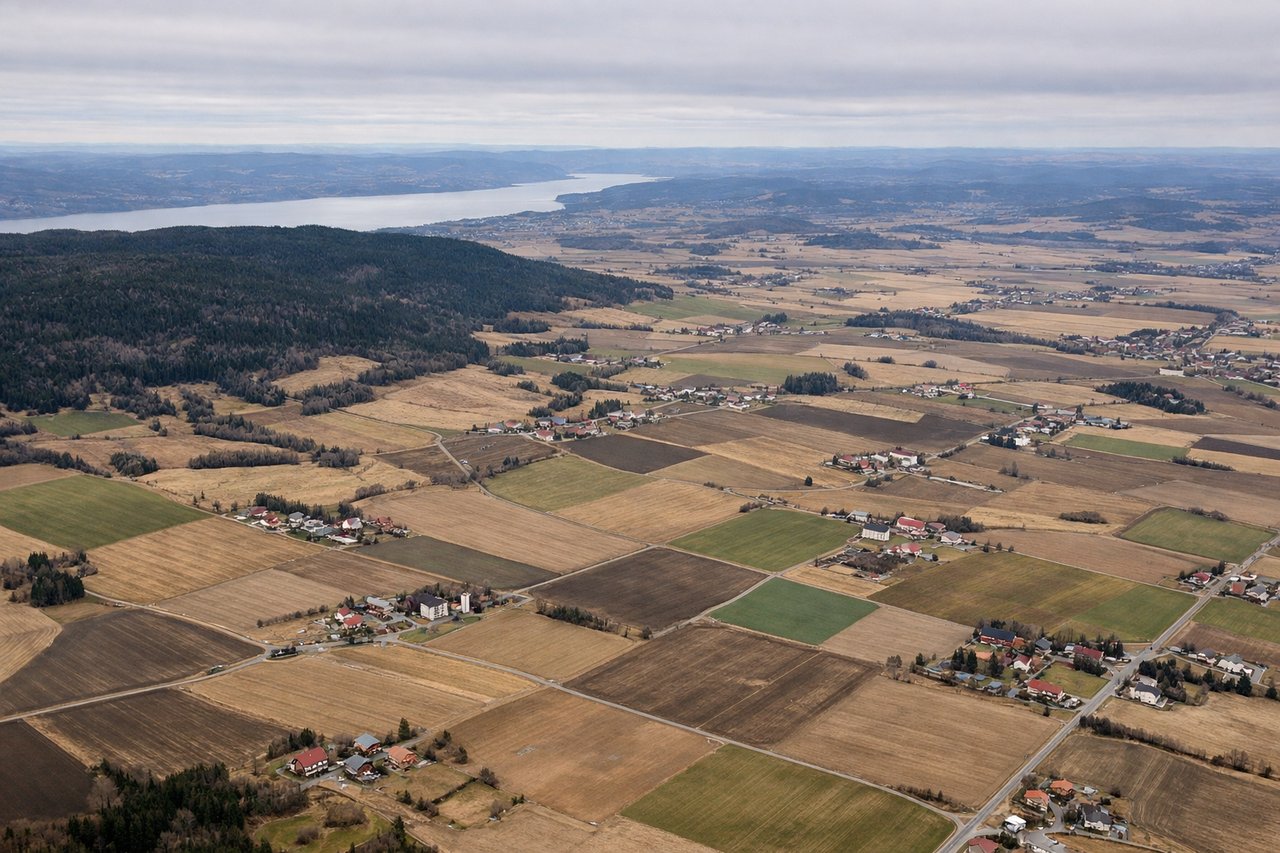
Takeoff from OSL
LEFTDeparting OSL southbound, the left side captures the Oslofjord's islands and shoreline as the aircraft climbs and banks toward the southeast, giving a brief but genuine glimpse of Norway's coastal terrain before leveling off.
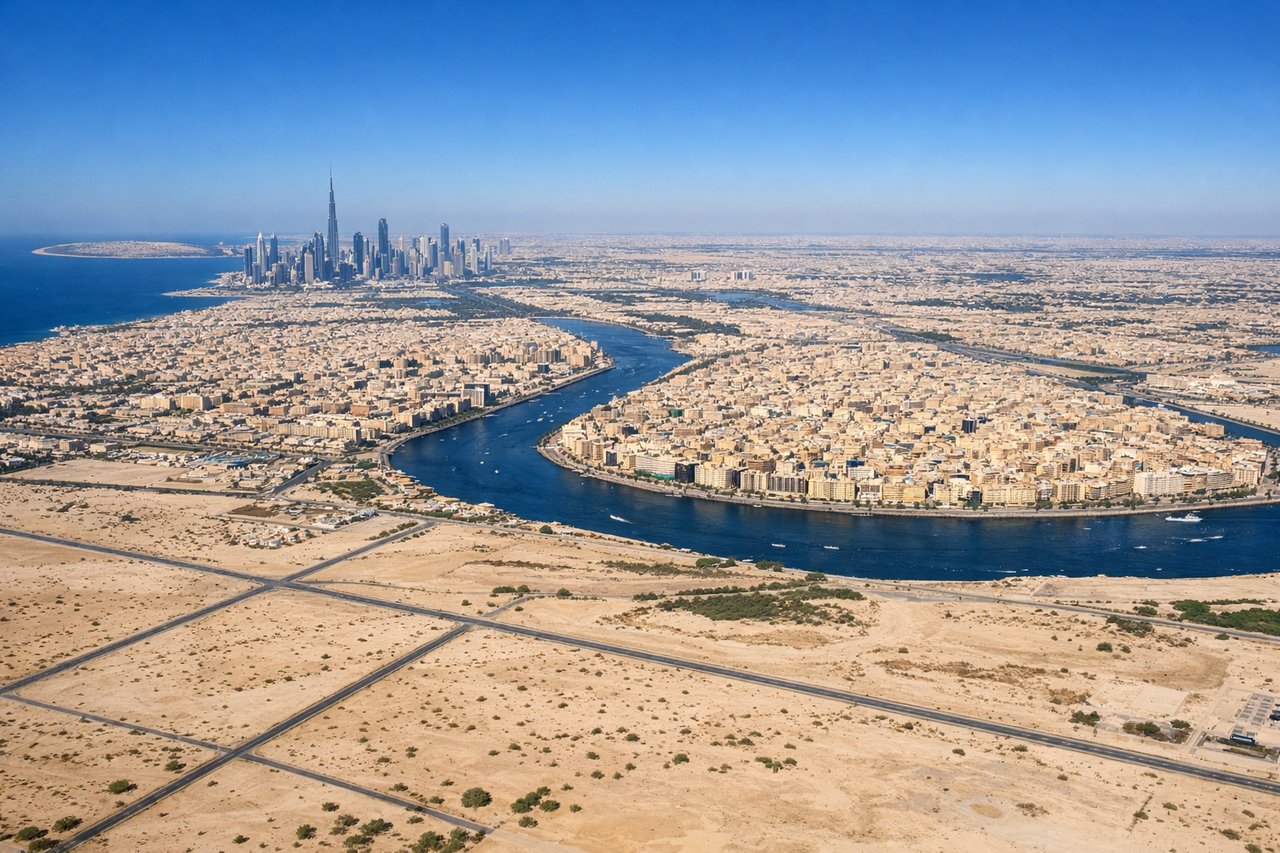
Landing at DXB
LEFTOn approach into DXB from the north over the Persian Gulf, the left side offers views of the turquoise Gulf waters meeting the coastline, along with glimpses of Dubai's skyline and the artificial Palm Jumeirah before touchdown.
Will your flight be in sunlight?
Pick a date and time in the Sun Map to watch the sun move across your whole flight.
About This Route
Which side of the plane should I sit on flying from Oslo Gardermoen (OSL) to Dubai International (DXB)?
Sit on the Left side of the plane for the best views on flights from Oslo to Dubai. The left side tracks the more geographically varied southern arc of the route, taking in the Oslofjord at departure, the Black Sea and Anatolian terrain of Turkey, the Zagros foothills of Iran, and finally the Persian Gulf coastline into Dubai, while the right side mostly overlooks flatter Eastern European and Central Asian steppe.
What can I see during takeoff from Oslo Gardermoen in Oslo?
During takeoff from Oslo Gardermoen (OSL), sit on the Left side for the best views. Departing OSL southbound, the left side captures the Oslofjord's islands and shoreline as the aircraft climbs and banks toward the southeast, giving a brief but genuine glimpse of Norway's coastal terrain before leveling off. Notable sights include: Oslofjord, Nesodden peninsula, scattered forested islands, Drammen area farmland.
What can I see when landing at Dubai International in Dubai?
When landing at Dubai International (DXB), sit on the Left side for the best views. On approach into DXB from the north over the Persian Gulf, the left side offers views of the turquoise Gulf waters meeting the coastline, along with glimpses of Dubai's skyline and the artificial Palm Jumeirah before touchdown. Notable sights include: Persian Gulf coastline, Palm Jumeirah, Dubai Marina skyline, Burj Al Arab.
How long is the flight from Oslo to Dubai?
The flight from Oslo Gardermoen (OSL) to Dubai International (DXB) takes about 6 hours 25 minutes. The shortest flight path between them is 3,193 miles (5,138 km); winds and air traffic control usually add a few percent.
What does the Oslo to Dubai flight path pass over?
The flight path crosses the Baltic states, skirts the Black Sea near Turkey's northern coast, then continues over the Anatolian plateau and the Zagros Mountains of western Iran before descending toward the Persian Gulf.