Left side dominates both takeoff and landing phases with high-impact scenic features: Oslo's fjord and urban harbor during departure, and Nuuk's dramatic fjord-carved landscape during arrival. The cruise phase over the North Atlantic and Labrador Sea is ocean-dominated on both sides (limiting both to ~2.0), but the superior departure and arrival sequences on the left side push the overall score to 4.5. Right side scores only 2.0 due to minimal scenic interest during takeoff (forest and suburbs) and arrival (open ocean approach with limited coastal detail).
Flown OSL to GOH? Did we get it right?
Flight Path
Oslo to Godthaab is 1,958 miles (3,151 km), a flight of about 3 hours 15 minutes.
North Atlantic open ocean, Labrador Sea, Davis Strait ice edge (seasonal), Greenland ice sheet visible at altitude on approach, transition from Norwegian fjord landscape to Greenlandic Arctic terrain
Great circle distance and headings ›Phase by phase
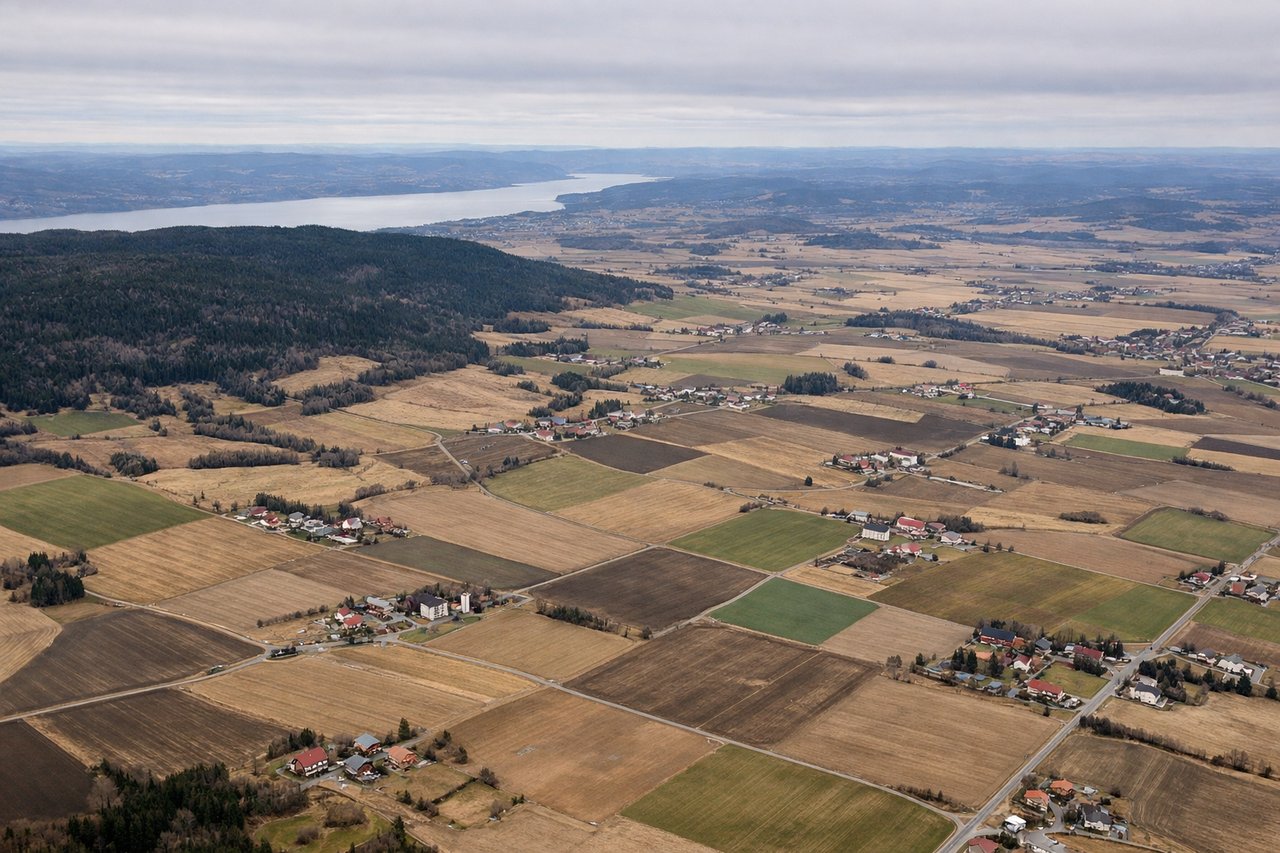
Takeoff from OSL
LEFTLeft side captures Oslo's urban harbor and the Oslofjord during departure. Aircraft typically depart northbound on runway 01, banking left over the fjord's eastern shore, revealing the city skyline, harbor infrastructure, and the dramatic fjord cutting inland between forested ridges.
Landing at GOH
LEFTLeft side offers the most dramatic approach into Nuuk. Aircraft descend over Davis Strait and the Labrador Sea, then turn left (east) to align with runway 22. This approach reveals Nuuk's fjord setting, the colorful buildings of the city clustered on rocky terrain, and the ice-carved landscape of western Greenland's coast.
Will your flight be in sunlight?
Pick a date and time in the Sun Map to watch the sun move across your whole flight.
About This Route
Which side of the plane should I sit on flying from Oslo Gardermoen (OSL) to Nuuk (GOH)?
Sit on the Left side of the plane for the best views on flights from Oslo to Godthaab. Left side dominates both takeoff and landing phases with high-impact scenic features: Oslo's fjord and urban harbor during departure, and Nuuk's dramatic fjord-carved landscape during arrival. The cruise phase over the North Atlantic and Labrador Sea is ocean-dominated on both sides (limiting both to ~2.0), but the superior departure and arrival sequences on the left side push the overall score to 4.5. Right side scores only 2.0 due to minimal scenic interest during takeoff (forest and suburbs) and arrival (open ocean approach with limited coastal detail).
What can I see during takeoff from Oslo Gardermoen in Oslo?
During takeoff from Oslo Gardermoen (OSL), sit on the Left side for the best views. Left side captures Oslo's urban harbor and the Oslofjord during departure. Aircraft typically depart northbound on runway 01, banking left over the fjord's eastern shore, revealing the city skyline, harbor infrastructure, and the dramatic fjord cutting inland between forested ridges. Notable sights include: Oslo city center and harbor, Oslofjord extending northeast, forested hills of Akershus region, Bygdøy Peninsula.
What can I see when landing at Nuuk in Godthaab?
When landing at Nuuk (GOH), sit on the Left side for the best views. Left side offers the most dramatic approach into Nuuk. Aircraft descend over Davis Strait and the Labrador Sea, then turn left (east) to align with runway 22. This approach reveals Nuuk's fjord setting, the colorful buildings of the city clustered on rocky terrain, and the ice-carved landscape of western Greenland's coast. Notable sights include: Nuuk fjord system, Davis Strait coastline, Greenlandic ice-sculpted terrain, Nuuk city buildings on rocky promontory.
How long is the flight from Oslo to Godthaab?
The flight from Oslo Gardermoen (OSL) to Nuuk (GOH) takes about 3 hours 15 minutes. The shortest flight path between them is 1,958 miles (3,151 km); winds and air traffic control usually add a few percent.
What does the Oslo to Godthaab flight path pass over?
North Atlantic open ocean, Labrador Sea, Davis Strait ice edge (seasonal), Greenland ice sheet visible at altitude on approach, transition from Norwegian fjord landscape to Greenlandic Arctic terrain