The right side wins on both ends of the flight: it captures Oslo's fjord and city during climb-out, then offers a distant view of London during the final approach into Gatwick. The left side stays over featureless farmland and open sea for the whole trip.
Flown OSL to LGW? Did we get it right?
Flight Path
Oslo to London is 762 miles (1,226 km), a flight of about 2 hours 5 minutes.
Open water crossing of the Skagerrak and North Sea, with the low coastline of Danish Jutland occasionally visible near Esbjerg before the English coast comes into view near East Anglia
Great circle distance and headings ›

Phase by phase

Takeoff from OSL
RIGHTDeparting Gardermoen southbound on runway 19, the aircraft climbs directly over Oslo and the Oslofjord, which lies to the west of the flight path. The left side only shows the flat, forested farmland of Akershus with no distinctive features.
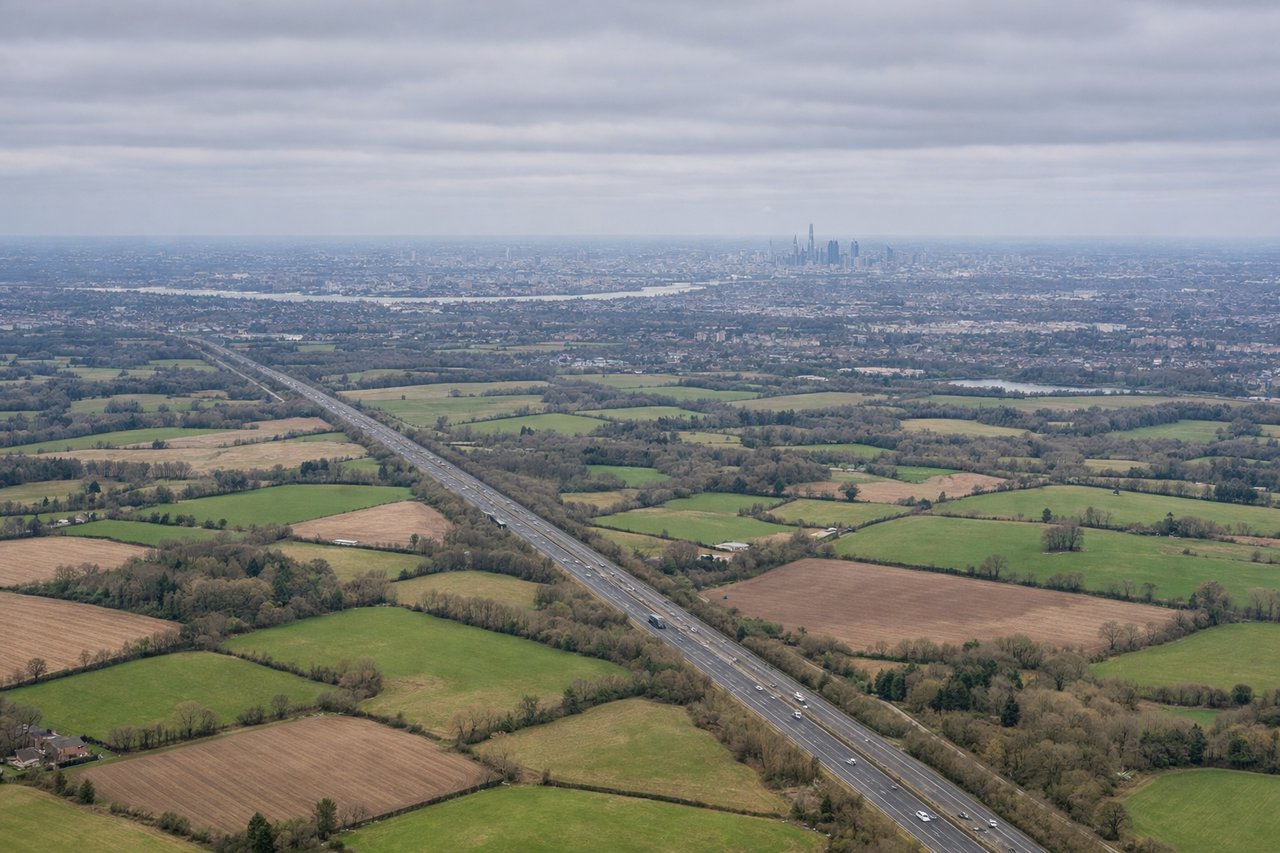
Landing at LGW
RIGHTGatwick's typical runway 26 approach comes in from the east, so during the final turn onto approach the aircraft faces west and London sits off to the north on the right side. Passengers on the left only see the plain countryside of Kent and Sussex with no major landmarks.
Will your flight be in sunlight?
Pick a date and time in the Sun Map to watch the sun move across your whole flight.
About This Route
Which side of the plane should I sit on flying from Oslo Gardermoen (OSL) to Gatwick (LGW)?
Sit on the Right side of the plane for the best views on flights from Oslo to London. The right side wins on both ends of the flight: it captures Oslo's fjord and city during climb-out, then offers a distant view of London during the final approach into Gatwick. The left side stays over featureless farmland and open sea for the whole trip.
What can I see during takeoff from Oslo Gardermoen in Oslo?
During takeoff from Oslo Gardermoen (OSL), sit on the Right side for the best views. Departing Gardermoen southbound on runway 19, the aircraft climbs directly over Oslo and the Oslofjord, which lies to the west of the flight path. The left side only shows the flat, forested farmland of Akershus with no distinctive features. Notable sights include: Oslo city center and harbor, Oslofjord, Bygdøy peninsula, Drammensfjord.
What can I see when landing at Gatwick in London?
When landing at Gatwick (LGW), sit on the Right side for the best views. Gatwick's typical runway 26 approach comes in from the east, so during the final turn onto approach the aircraft faces west and London sits off to the north on the right side. Passengers on the left only see the plain countryside of Kent and Sussex with no major landmarks. Notable sights include: Distant London skyline (the Shard, Canary Wharf towers), North Downs ridge, Surrey countryside, M23 corridor near Gatwick.
How long is the flight from Oslo to London?
The flight from Oslo Gardermoen (OSL) to Gatwick (LGW) takes about 2 hours 5 minutes. The shortest flight path between them is 762 miles (1,226 km); winds and air traffic control usually add a few percent.
What does the Oslo to London flight path pass over?
Open water crossing of the Skagerrak and North Sea, with the low coastline of Danish Jutland occasionally visible near Esbjerg before the English coast comes into view near East Anglia