While takeoff on the left offers excellent Scandinavian fjord scenery, the landing approach on the right provides more sustained visual interest over the Piedmont region and the Research Triangle's distinctive geography. The right side captures the dramatic transition from forest to urban development that characterizes central North Carolina.
Flown OSL to RDU? Did we get it right?
Flight Path
Oslo to Raleigh-Durham is 4,103 miles (6,603 km), a flight of about 10 hours.
The flight path crosses the North Atlantic, passing south of Iceland and Greenland, then over Newfoundland and the Canadian Maritimes. Over the Atlantic, you may see the Mid-Atlantic Ridge's influence on water color and occasional icebergs (seasonal). Approaching North America, the Canadian Shield's lakes and forests become visible. The flight then crosses over the northeastern United States, potentially offering views of the Appalachian Mountains' northern ridges, the Great Lakes region, and eventually the transition into the Piedmont plateau of North Carolina.
Great circle distance and headings ›


Phase by phase
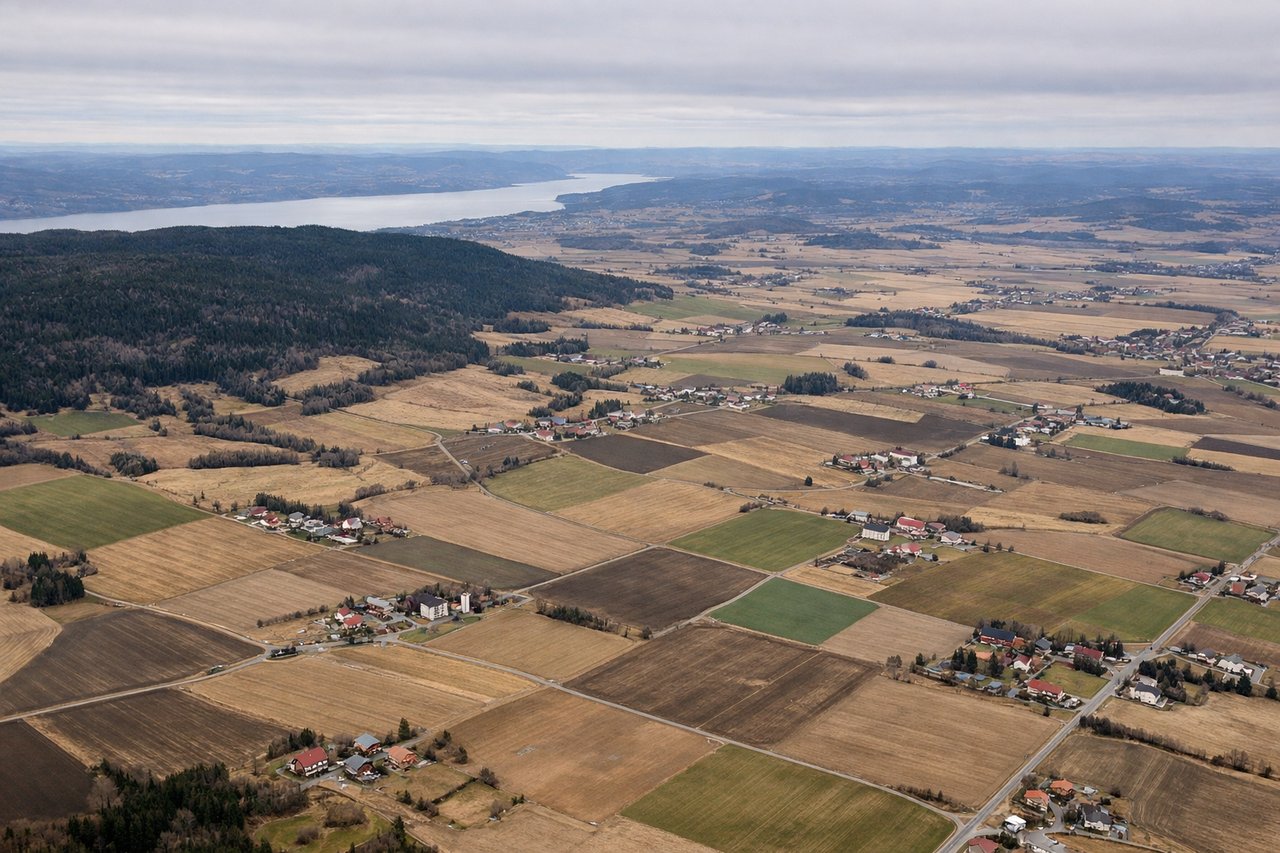
Takeoff from OSL
LEFTLeft side offers views of Oslo Fjord and the greater Oslo metropolitan area during climb-out. The fjord's intricate coastline and surrounding forested terrain provide immediate visual interest as the aircraft gains altitude northwestward.

Landing at RDU
RIGHTRight side provides views of the Piedmont region's rolling terrain, including the Neuse River valley and Durham-Raleigh urban area during descent. The landscape transitions from forested hills to developed areas, offering clear perspective on the region's geography.
Will your flight be in sunlight?
Pick a date and time in the Sun Map to watch the sun move across your whole flight.
About This Route
Which side of the plane should I sit on flying from Oslo Gardermoen (OSL) to Raleigh Durham International (RDU)?
Sit on the Right side of the plane for the best views on flights from Oslo to Raleigh-Durham. While takeoff on the left offers excellent Scandinavian fjord scenery, the landing approach on the right provides more sustained visual interest over the Piedmont region and the Research Triangle's distinctive geography. The right side captures the dramatic transition from forest to urban development that characterizes central North Carolina.
What can I see during takeoff from Oslo Gardermoen in Oslo?
During takeoff from Oslo Gardermoen (OSL), sit on the Left side for the best views. Left side offers views of Oslo Fjord and the greater Oslo metropolitan area during climb-out. The fjord's intricate coastline and surrounding forested terrain provide immediate visual interest as the aircraft gains altitude northwestward. Notable sights include: Oslo Fjord (immediate), Oslomark forest region (south and west), Drammen area (southwest), Norwegian coastal archipelago (north).
What can I see when landing at Raleigh Durham International in Raleigh-Durham?
When landing at Raleigh Durham International (RDU), sit on the Right side for the best views. Right side provides views of the Piedmont region's rolling terrain, including the Neuse River valley and Durham-Raleigh urban area during descent. The landscape transitions from forested hills to developed areas, offering clear perspective on the region's geography. Notable sights include: Neuse River (major reference point), Durham-Raleigh metropolitan area, Piedmont foothills (west), Research Triangle Park area.
How long is the flight from Oslo to Raleigh-Durham?
The flight from Oslo Gardermoen (OSL) to Raleigh Durham International (RDU) takes about 10 hours. The shortest flight path between them is 4,103 miles (6,603 km); winds and air traffic control usually add a few percent.
What does the Oslo to Raleigh-Durham flight path pass over?
The flight path crosses the North Atlantic, passing south of Iceland and Greenland, then over Newfoundland and the Canadian Maritimes. Over the Atlantic, you may see the Mid-Atlantic Ridge's influence on water color and occasional icebergs (seasonal). Approaching North America, the Canadian Shield's lakes and forests become visible. The flight then crosses over the northeastern United States, potentially offering views of the Appalachian Mountains' northern ridges, the Great Lakes region, and eventually the transition into the Piedmont plateau of North Carolina.