Right-side seats win for the takeoff experience with the Yanshan Mountains, which is the most visually dramatic segment of this flight. The landing approach is comparable on both sides, but the northern climb-out from Beijing offers more distinctive topography.
Flown PEK to KUL? Did we get it right?
Flight Path
Beijing to Kuala Lumpur is 2,742 miles (4,414 km), a flight of about 5 hours.
The flight path crosses central China heading south-southwest. Notable features include the Henan plains (flat, agricultural), the Yangtze River valley near Wuhan (wide river visible as a silver ribbon), the Dabie Mountains (low, forested ridges), and the transition into tropical Guangdong province. Over southern China, the terrain becomes increasingly hilly and green. The flight then crosses the South China Sea for approximately 1.5 hours before reaching the Malay Peninsula, where the Titiwangsa Mountains form the spine of the peninsula running north-south.
Great circle distance and headings ›


Phase by phase
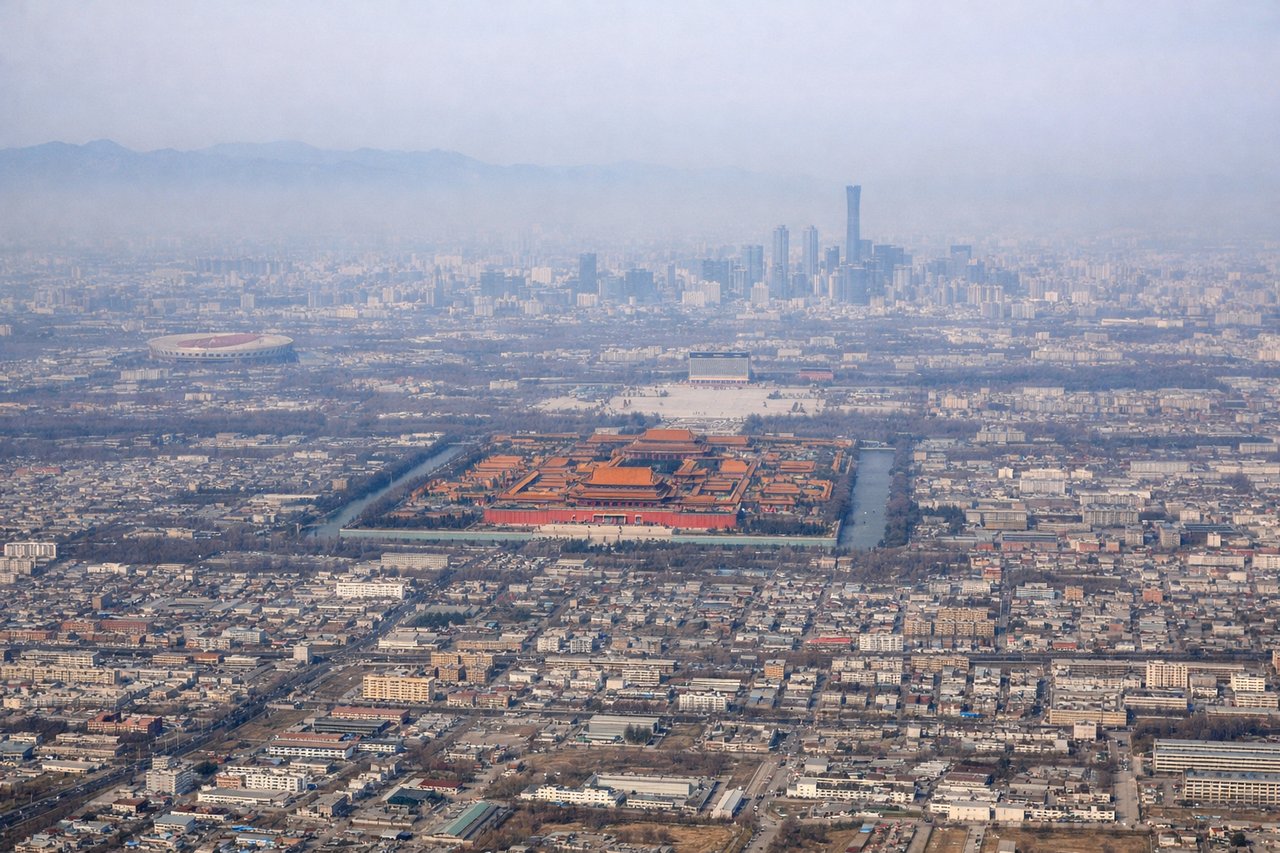
Takeoff from PEK
RIGHTRight-side seats offer views of the Yanshan Mountains as the aircraft climbs northeast from Beijing Capital. The range forms a dramatic backdrop to the city's northern edge and remains visible for the first 15-20 minutes of climb.
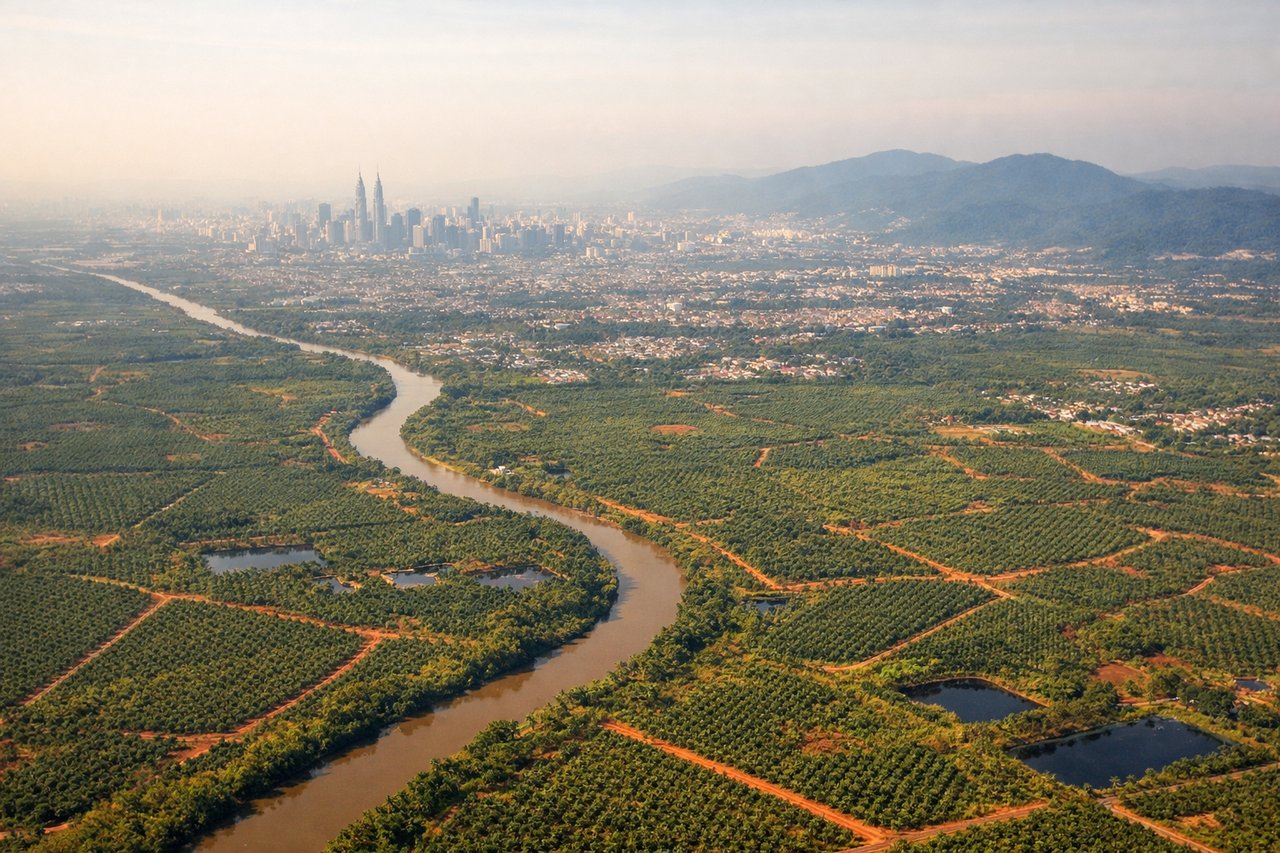
Landing at KUL
LEFTLeft-side seats provide excellent views during descent into Kuala Lumpur. The approach from the north crosses the Klang Valley and Selangor state, with the Titiwangsa Mountains visible to the east and the Strait of Malacca's coastal plains to the west.
Will your flight be in sunlight?
Pick a date and time in the Sun Map to watch the sun move across your whole flight.
About This Route
Which side of the plane should I sit on flying from Capital (PEK) to Kuala Lumpur International (KUL)?
Sit on the Right side of the plane for the best views on flights from Beijing to Kuala Lumpur. Right-side seats win for the takeoff experience with the Yanshan Mountains, which is the most visually dramatic segment of this flight. The landing approach is comparable on both sides, but the northern climb-out from Beijing offers more distinctive topography.
What can I see during takeoff from Capital in Beijing?
During takeoff from Capital (PEK), sit on the Right side for the best views. Right-side seats offer views of the Yanshan Mountains as the aircraft climbs northeast from Beijing Capital. The range forms a dramatic backdrop to the city's northern edge and remains visible for the first 15-20 minutes of climb. Notable sights include: Yanshan Mountains (north), Ming Tombs valley (northwest), Huairou District reservoirs (northeast), Beijing urban sprawl (south and west).
What can I see when landing at Kuala Lumpur International in Kuala Lumpur?
When landing at Kuala Lumpur International (KUL), sit on the Left side for the best views. Left-side seats provide excellent views during descent into Kuala Lumpur. The approach from the north crosses the Klang Valley and Selangor state, with the Titiwangsa Mountains visible to the east and the Strait of Malacca's coastal plains to the west. Notable sights include: Titiwangsa Mountains (east), Klang Valley agricultural plains (center), Selangor coastal wetlands (west), Petronas Twin Towers and KL skyline (final approach).
How long is the flight from Beijing to Kuala Lumpur?
The flight from Capital (PEK) to Kuala Lumpur International (KUL) takes about 5 hours. The shortest flight path between them is 2,742 miles (4,414 km); winds and air traffic control usually add a few percent.
What does the Beijing to Kuala Lumpur flight path pass over?
The flight path crosses central China heading south-southwest. Notable features include the Henan plains (flat, agricultural), the Yangtze River valley near Wuhan (wide river visible as a silver ribbon), the Dabie Mountains (low, forested ridges), and the transition into tropical Guangdong province. Over southern China, the terrain becomes increasingly hilly and green. The flight then crosses the South China Sea for approximately 1.5 hours before reaching the Malay Peninsula, where the Titiwangsa Mountains form the spine of the peninsula running north-south.