The right side captures the two strongest scenic moments of the flight—the mountainous Great Wall terrain on departure and the London skyline on arrival—while the long cruise over Siberia offers similar flat terrain on both sides.
Flown PEK to LGW? Did we get it right?
Flight Path
Beijing to London is 5,074 miles (8,166 km), a flight of about 10 hours 50 minutes.
Mongolian steppe and the edge of the Gobi Desert, Siberian taiga and river valleys (Ob/Irtysh basin), the low Ural Mountains marking the Europe-Asia divide, and the Baltic coastal lowlands of Poland before crossing into Germany and the North Sea
Great circle distance and headings ›


Phase by phase
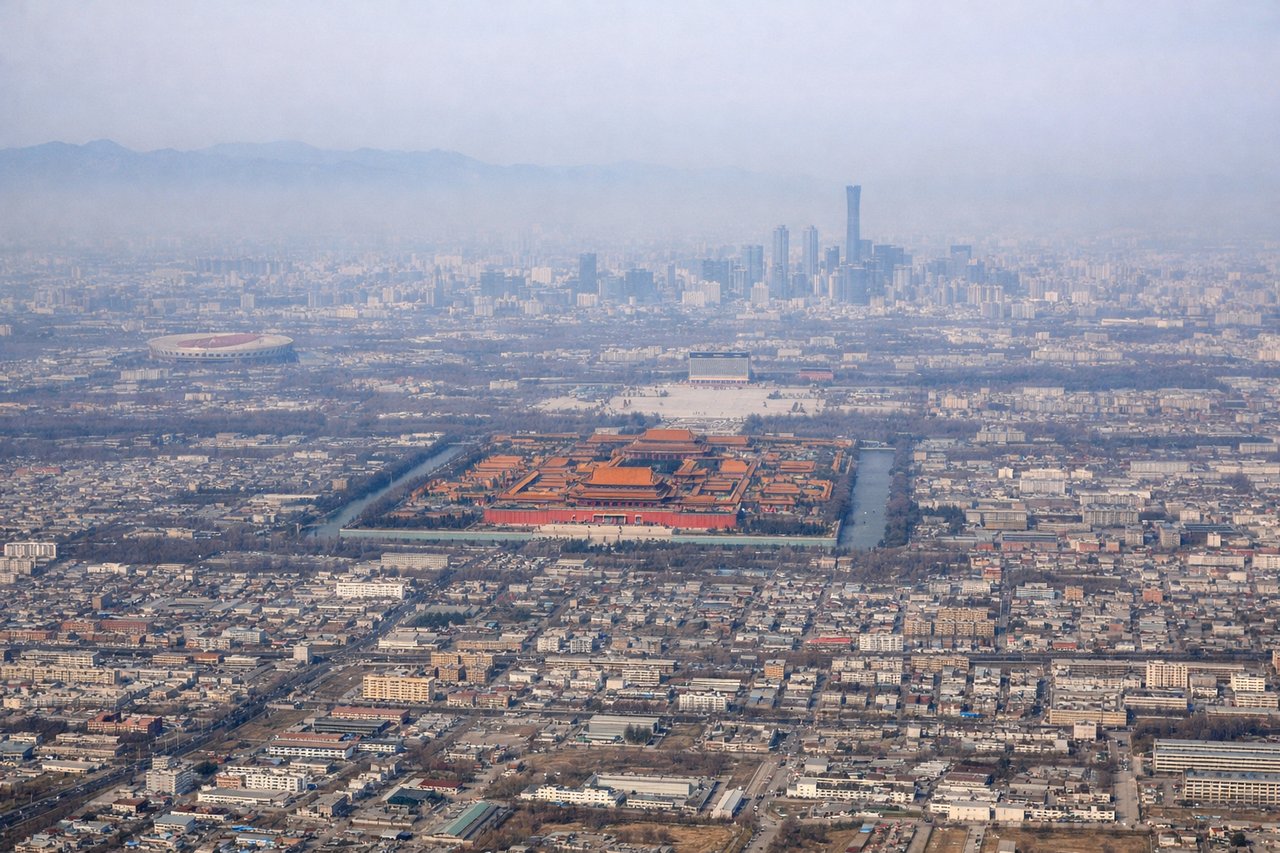
Takeoff from PEK
RIGHTDeparting PEK, the climb-out track curves toward the northwest, bringing the rugged Yan Mountains and their Great Wall ridgelines (Badaling/Mutianyu area) into view on the right side, while the left shows the flat Beijing plain receding behind.
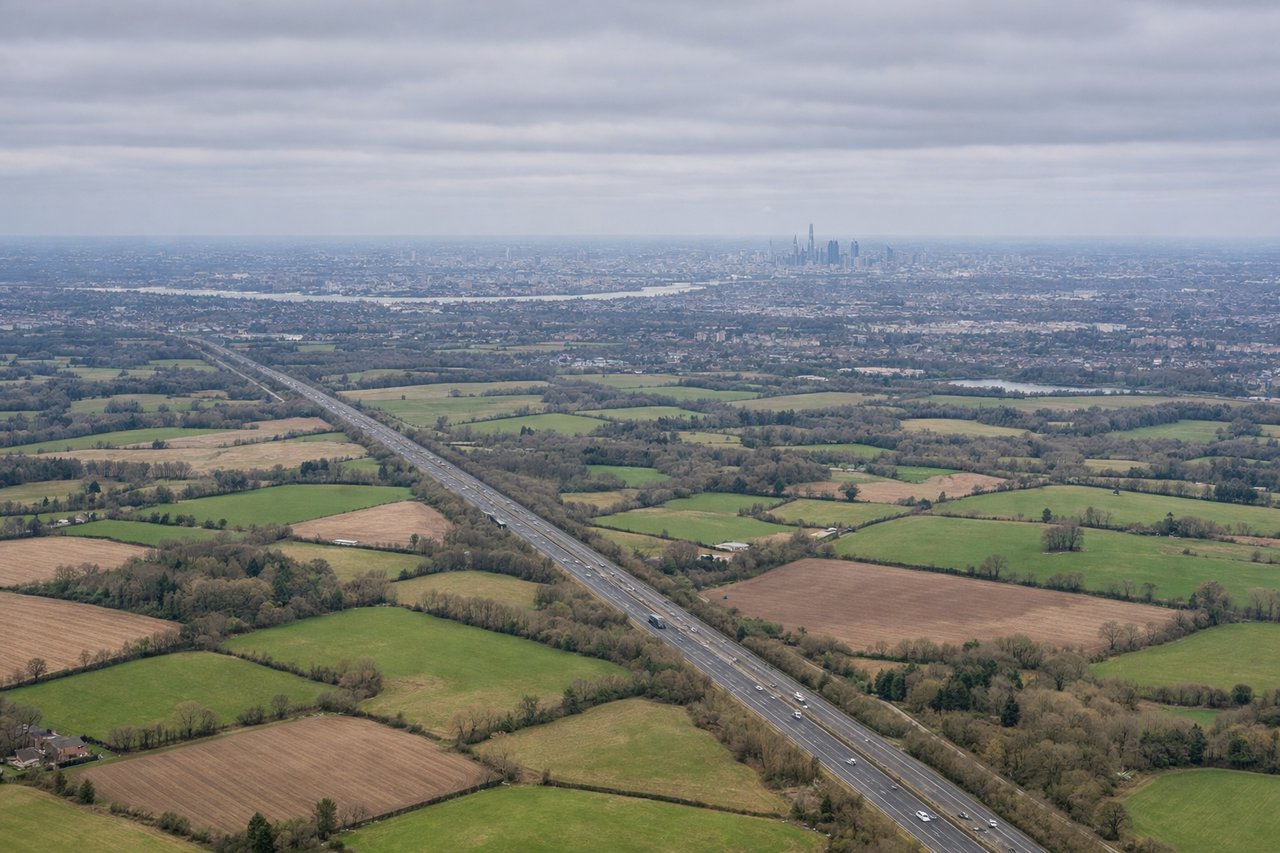
Landing at LGW
RIGHTWith westerly winds favoring runway 26 at LGW, the aircraft typically approaches from the northeast before turning onto final, putting the London skyline—Canary Wharf, the Thames, and the City—visible to the right during descent, while the left shows only Surrey and Kent farmland.
Will your flight be in sunlight?
Pick a date and time in the Sun Map to watch the sun move across your whole flight.
About This Route
Which side of the plane should I sit on flying from Capital (PEK) to Gatwick (LGW)?
Sit on the Right side of the plane for the best views on flights from Beijing to London. The right side captures the two strongest scenic moments of the flight—the mountainous Great Wall terrain on departure and the London skyline on arrival—while the long cruise over Siberia offers similar flat terrain on both sides.
What can I see during takeoff from Capital in Beijing?
During takeoff from Capital (PEK), sit on the Right side for the best views. Departing PEK, the climb-out track curves toward the northwest, bringing the rugged Yan Mountains and their Great Wall ridgelines (Badaling/Mutianyu area) into view on the right side, while the left shows the flat Beijing plain receding behind. Notable sights include: Yan Mountains foothills, Great Wall ridgeline sections, Beijing's northern suburbs, terraced hillside farmland.
What can I see when landing at Gatwick in London?
When landing at Gatwick (LGW), sit on the Right side for the best views. With westerly winds favoring runway 26 at LGW, the aircraft typically approaches from the northeast before turning onto final, putting the London skyline—Canary Wharf, the Thames, and the City—visible to the right during descent, while the left shows only Surrey and Kent farmland. Notable sights include: River Thames bends, Canary Wharf towers, The Shard, North Downs farmland.
How long is the flight from Beijing to London?
The flight from Capital (PEK) to Gatwick (LGW) takes about 10 hours 50 minutes. The shortest flight path between them is 5,074 miles (8,166 km); winds and air traffic control usually add a few percent.
What does the Beijing to London flight path pass over?
Mongolian steppe and the edge of the Gobi Desert, Siberian taiga and river valleys (Ob/Irtysh basin), the low Ural Mountains marking the Europe-Asia divide, and the Baltic coastal lowlands of Poland before crossing into Germany and the North Sea