Philadelphia to Las Vegas is 2,171 miles (3,494 km), a flight of about 5 hours.
While the left side wins at takeoff for the Philadelphia skyline, the right side delivers the more dramatic payoff: the Appalachians in Pennsylvania, the Ohio River valley, and then the unforgettable descent into Las Vegas with the Strip laid out in front of you. The Las Vegas arrival view is one of the best in commercial aviation.
Flight Path
The Appalachian Mountains cross early in the flight over central Pennsylvania, followed by the flat Ohio and Indiana farmland grid. Over Missouri and Kansas the terrain is open plains. The Colorado Rockies appear on the right side as a distant wall of peaks in the far distance. Crossing into Utah, the Colorado Plateau brings dramatic canyon country and red rock terrain visible from altitude. The Virgin River Gorge area of northwestern Arizona is visible before descending into the Las Vegas valley.
Great circle distance and headings ›.jpeg?width=600)

.jpg?width=600)

.jpg?width=600)

.jpeg?width=600)


Phase by phase
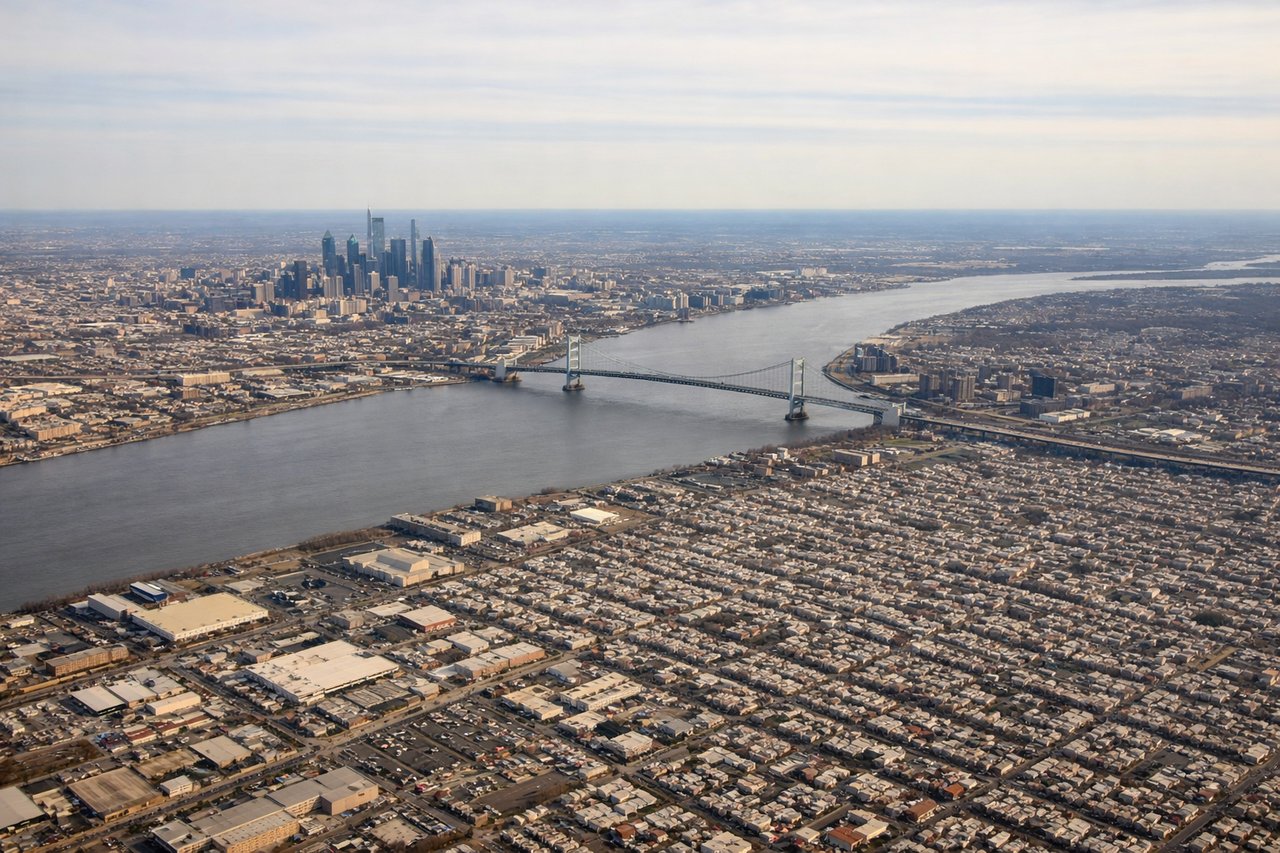
Takeoff from PHL
LEFTPHL typically departs westbound on runway 27L/27R, so the left (south) side gives you a clear view back over the Philadelphia skyline, the Delaware River, and the Ben Franklin Bridge as you climb out. The right side faces north toward the suburbs with less visual interest.
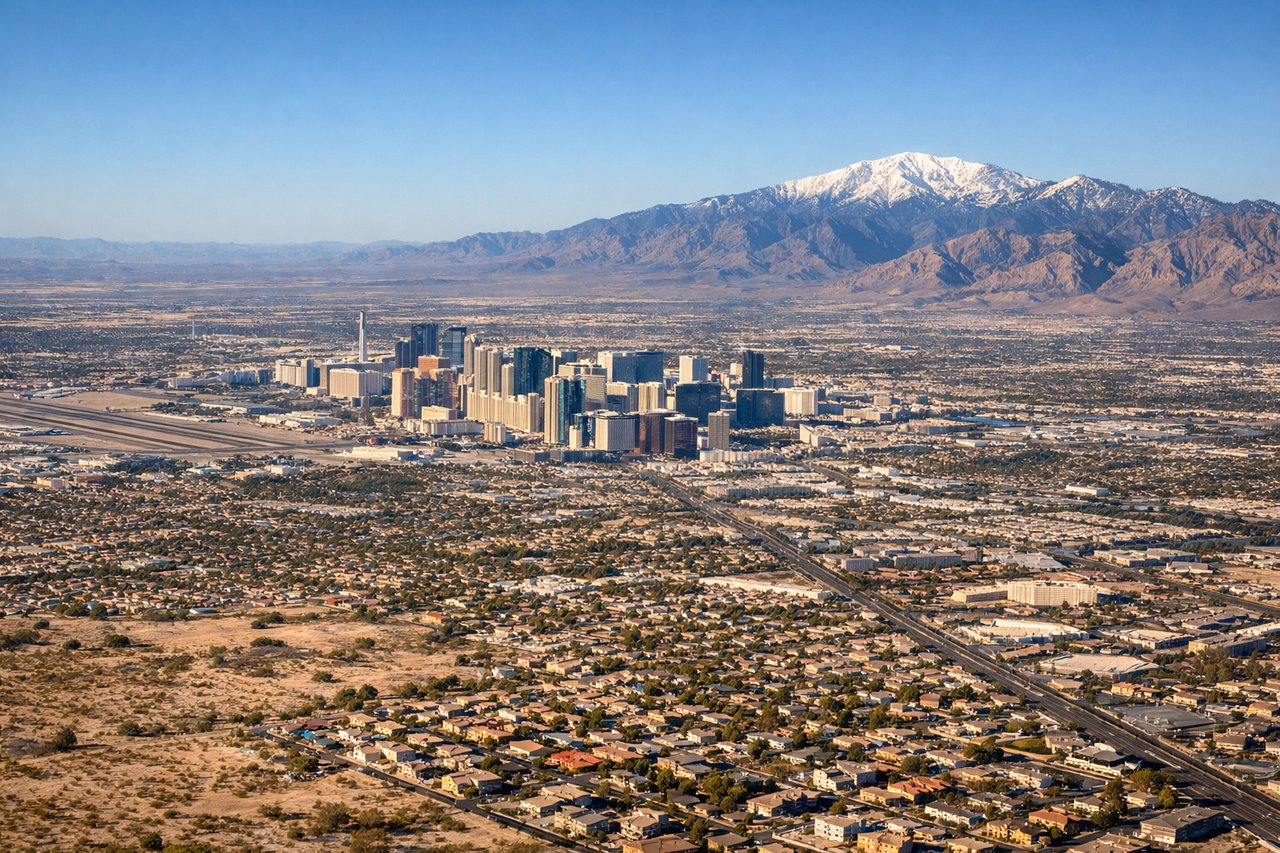
Landing at LAS
RIGHTLas Vegas McCarran typically lands from the east on runway 26L/26R, meaning the right (north) side gives you the Las Vegas Strip and downtown Las Vegas laid out clearly as you descend over the valley. The left side faces south toward open desert and Henderson.
Landmarks on this routeAll landmarks →
Will your flight be in sunlight?
Pick a date and time in the Sun Map to watch the sun move across your whole flight.
About This Route
Which side of the plane should I sit on flying from Philadelphia International (PHL) to Mc Carran International (LAS)?
Sit on the Right side of the plane for the best views on flights from Philadelphia to Las Vegas. While the left side wins at takeoff for the Philadelphia skyline, the right side delivers the more dramatic payoff: the Appalachians in Pennsylvania, the Ohio River valley, and then the unforgettable descent into Las Vegas with the Strip laid out in front of you. The Las Vegas arrival view is one of the best in commercial aviation.
What can I see during takeoff from Philadelphia International in Philadelphia?
During takeoff from Philadelphia International (PHL), sit on the Left side for the best views. PHL typically departs westbound on runway 27L/27R, so the left (south) side gives you a clear view back over the Philadelphia skyline, the Delaware River, and the Ben Franklin Bridge as you climb out. The right side faces north toward the suburbs with less visual interest. Notable sights include: Philadelphia city skyline, Delaware River, Ben Franklin Bridge, Philadelphia Sports Complex stadiums.
What can I see when landing at Mc Carran International in Las Vegas?
When landing at Mc Carran International (LAS), sit on the Right side for the best views. Las Vegas McCarran typically lands from the east on runway 26L/26R, meaning the right (north) side gives you the Las Vegas Strip and downtown Las Vegas laid out clearly as you descend over the valley. The left side faces south toward open desert and Henderson. Notable sights include: Las Vegas Strip, Fremont Street area downtown, Lake Mead on the distant horizon, Spring Mountains (Charleston Peak) to the west.
How long is the flight from Philadelphia to Las Vegas?
The flight from Philadelphia International (PHL) to Mc Carran International (LAS) takes about 5 hours. The shortest flight path between them is 2,171 miles (3,494 km); winds and air traffic control usually add a few percent.
What does the Philadelphia to Las Vegas flight path pass over?
The Appalachian Mountains cross early in the flight over central Pennsylvania, followed by the flat Ohio and Indiana farmland grid. Over Missouri and Kansas the terrain is open plains. The Colorado Rockies appear on the right side as a distant wall of peaks in the far distance. Crossing into Utah, the Colorado Plateau brings dramatic canyon country and red rock terrain visible from altitude. The Virgin River Gorge area of northwestern Arizona is visible before descending into the Las Vegas valley.