The right side scores higher due to the landing approach's superior scenic variety—the Strait of Malacca, mangrove delta, and Port Klang provide distinct visual landmarks and geographic drama. While Beijing's takeoff is engaging, the cruise segment over central China and northern Thailand is largely featureless plains and low hills. The right side's coastal and delta scenery during descent outweighs the left side's urban takeoff advantage.
Flown PKX to KUL? Did we get it right?
Flight Path
Beijing to Kuala Lumpur is 2,702 miles (4,349 km), a flight of about 5 hours 15 minutes.
Yangtze River valley (central China), Wuling Mountains (Hunan/Guangxi border), Karst limestone peaks near Guilin, Red River valley (Vietnam-China border), Mekong River plains (Thailand), Gulf of Thailand coastline
Great circle distance and headings ›


Phase by phase
Takeoff from PKX
LEFTBeijing's urban sprawl and the North China Plain provide immediate city scenery during climb-out, with the Yanshan Mountains visible to the northwest. Right side faces open plains with minimal early visual interest.
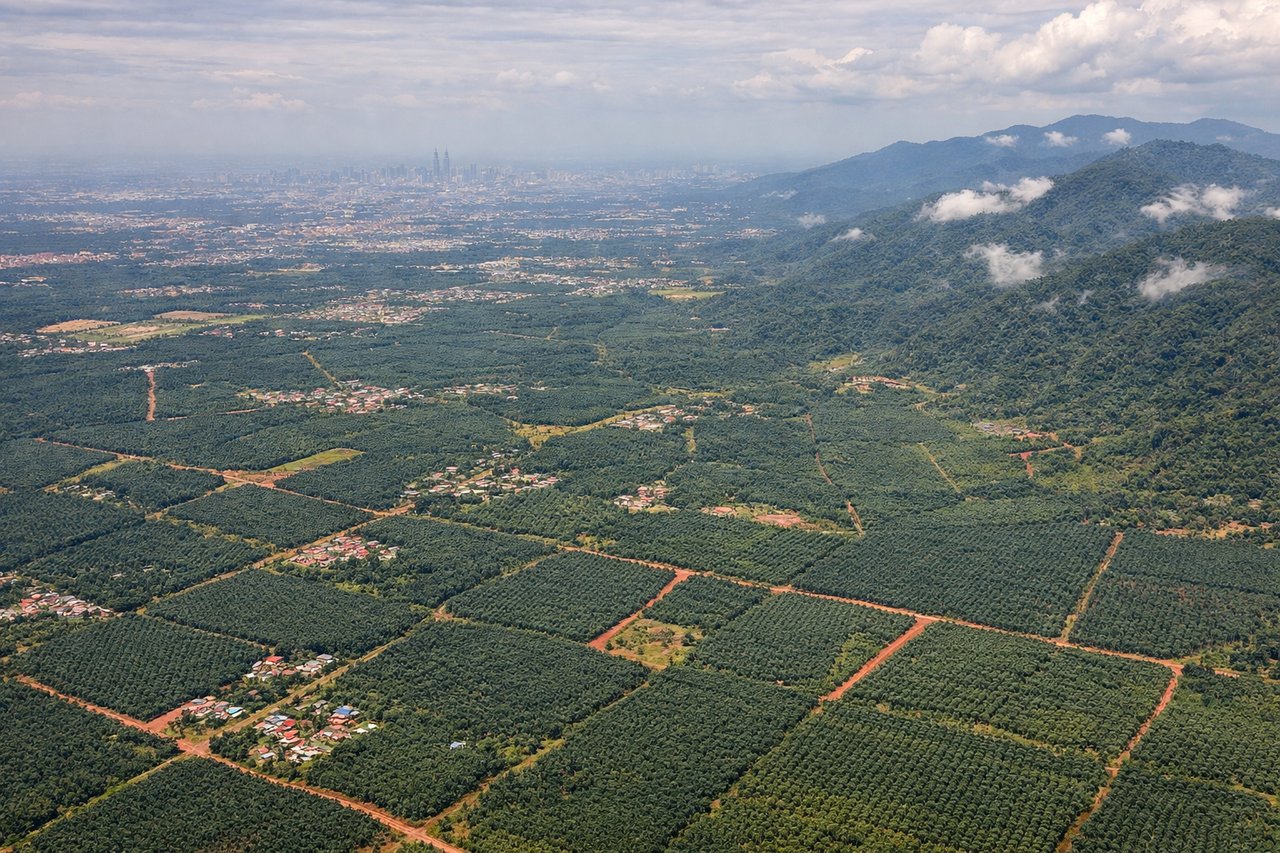
Landing at KUL
RIGHTThe approach to Kuala Lumpur crosses the Strait of Malacca and the Klang Valley, offering coastal and river delta scenery. The right side captures the Selangor coastline, mangrove estuaries, and the Klang River delta before landing, with Port Klang visible. Left side faces inland terrain with less dramatic visual variety.
Will your flight be in sunlight?
Pick a date and time in the Sun Map to watch the sun move across your whole flight.
About This Route
Which side of the plane should I sit on flying from Beijing Daxing International Airport (PKX) to Kuala Lumpur International (KUL)?
Sit on the Right side of the plane for the best views on flights from Beijing to Kuala Lumpur. The right side scores higher due to the landing approach's superior scenic variety—the Strait of Malacca, mangrove delta, and Port Klang provide distinct visual landmarks and geographic drama. While Beijing's takeoff is engaging, the cruise segment over central China and northern Thailand is largely featureless plains and low hills. The right side's coastal and delta scenery during descent outweighs the left side's urban takeoff advantage.
What can I see during takeoff from Beijing Daxing International Airport in Beijing?
During takeoff from Beijing Daxing International Airport (PKX), sit on the Left side for the best views. Beijing's urban sprawl and the North China Plain provide immediate city scenery during climb-out, with the Yanshan Mountains visible to the northwest. Right side faces open plains with minimal early visual interest. Notable sights include: Beijing urban grid and high-rises, Yanshan Mountains (northwest), North China Plain extending south.
What can I see when landing at Kuala Lumpur International in Kuala Lumpur?
When landing at Kuala Lumpur International (KUL), sit on the Right side for the best views. The approach to Kuala Lumpur crosses the Strait of Malacca and the Klang Valley, offering coastal and river delta scenery. The right side captures the Selangor coastline, mangrove estuaries, and the Klang River delta before landing, with Port Klang visible. Left side faces inland terrain with less dramatic visual variety. Notable sights include: Strait of Malacca, Klang River delta and mangrove wetlands, Port Klang harbor, Selangor coastal plains.
How long is the flight from Beijing to Kuala Lumpur?
The flight from Beijing Daxing International Airport (PKX) to Kuala Lumpur International (KUL) takes about 5 hours 15 minutes. The shortest flight path between them is 2,702 miles (4,349 km); winds and air traffic control usually add a few percent.
What does the Beijing to Kuala Lumpur flight path pass over?
Yangtze River valley (central China), Wuling Mountains (Hunan/Guangxi border), Karst limestone peaks near Guilin, Red River valley (Vietnam-China border), Mekong River plains (Thailand), Gulf of Thailand coastline