The takeoff view of the Serra de Tramuntana and Palma's coastal geography is more visually distinctive than the landing approach. The mountain range provides dramatic relief and the Mediterranean setting is more photogenic than the forested fjord approach.
Flown PMI to TRD? Did we get it right?
Flight Path
Palma De Mallorca to Trondheim is 1,686 miles (2,713 km), a flight of about 4 hours 15 minutes.
This northbound route crosses the Bay of Biscay and the Atlantic coast of France/Spain. At cruise altitude (around 30,000 feet), you'll pass over the Pyrenees as a distant ridge line on the eastern horizon (left side), then over the French interior and eventually the North Sea. The flight path takes you over the Bay of Biscay's open waters—featureless from altitude—before reaching the Norwegian coast near Ålesund. The Scandinavian coastline becomes visible with its characteristic fjord-carved topography as you approach TRD from the south.
Great circle distance and headings ›

Phase by phase
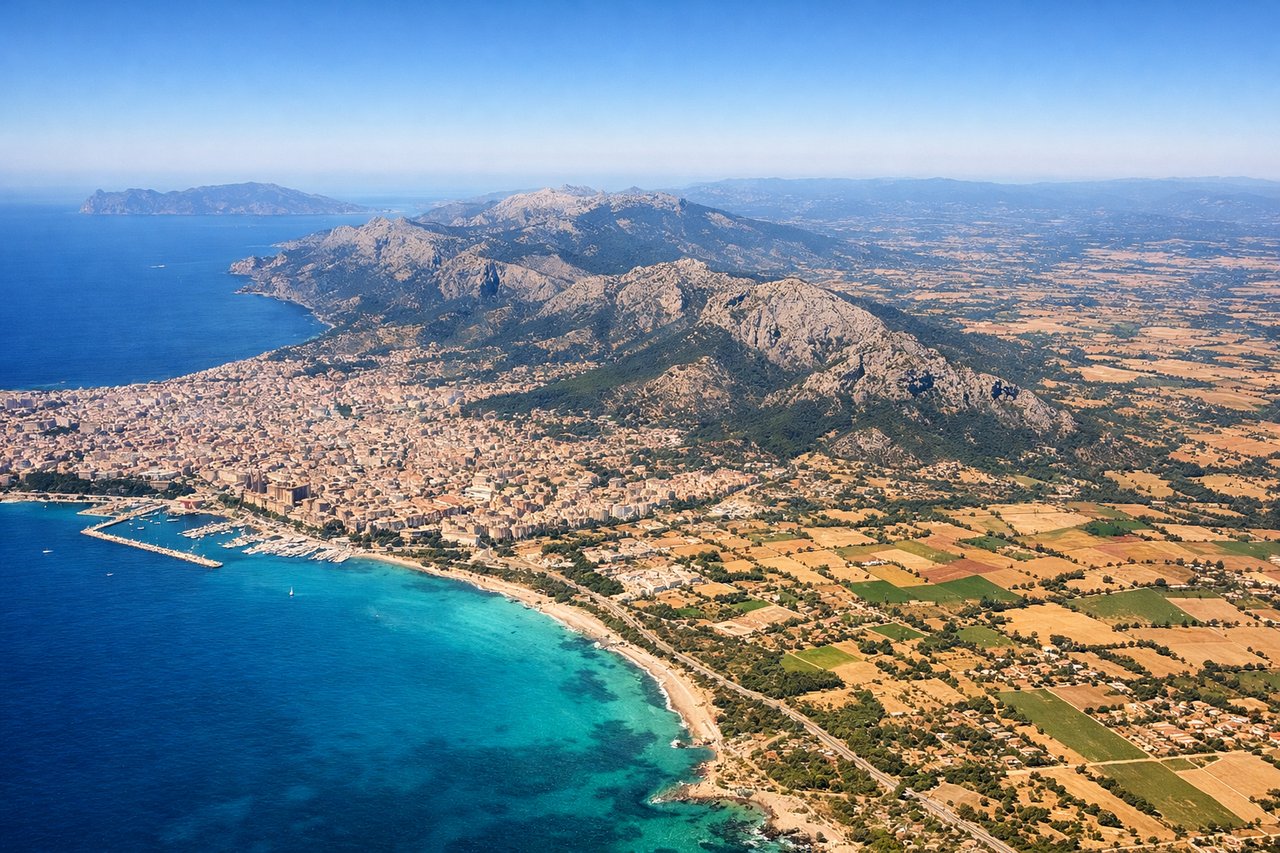
Takeoff from PMI
LEFTPMI typically departs runway 06 (northeast) or 24 (southwest). Left seats offer views of the Serra de Tramuntana mountain range running along Mallorca's northwest coast during initial climb. Right seats face inland toward the central plateau.
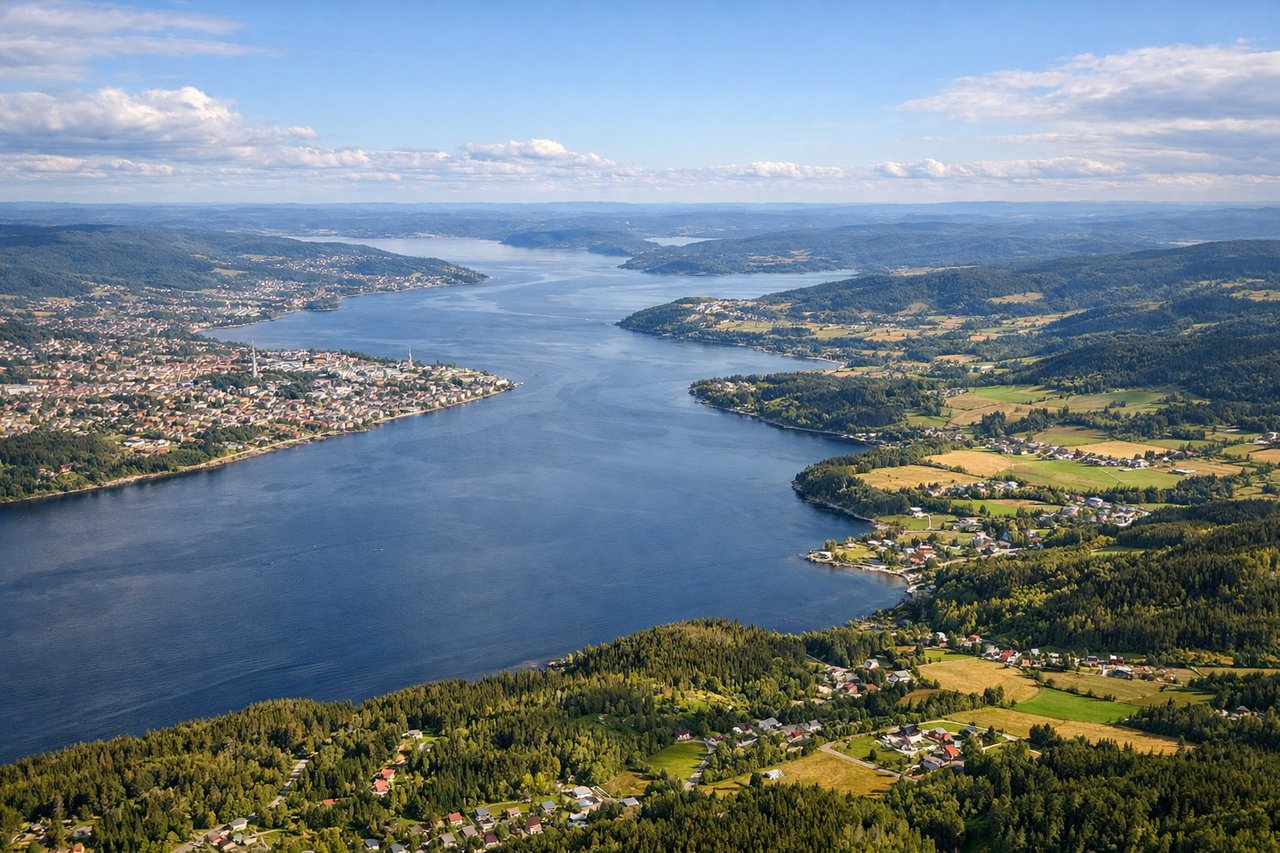
Landing at TRD
RIGHTTRD approaches from the south (runway 03) or north (runway 21). Right seats provide views of the Trondheim Fjord system and the city's distinctive position on the fjord peninsula during descent. Left seats face inland toward forested terrain with less visual interest.
Will your flight be in sunlight?
Pick a date and time in the Sun Map to watch the sun move across your whole flight.
About This Route
Which side of the plane should I sit on flying from Palma De Mallorca (PMI) to Trondheim Vaernes (TRD)?
Sit on the Left side of the plane for the best views on flights from Palma De Mallorca to Trondheim. The takeoff view of the Serra de Tramuntana and Palma's coastal geography is more visually distinctive than the landing approach. The mountain range provides dramatic relief and the Mediterranean setting is more photogenic than the forested fjord approach.
What can I see during takeoff from Palma De Mallorca in Palma De Mallorca?
During takeoff from Palma De Mallorca (PMI), sit on the Left side for the best views. PMI typically departs runway 06 (northeast) or 24 (southwest). Left seats offer views of the Serra de Tramuntana mountain range running along Mallorca's northwest coast during initial climb. Right seats face inland toward the central plateau. Notable sights include: Serra de Tramuntana (northwest ridge), Palma Bay (Mediterranean waters south of airport), Bellver Castle ruins (visible on hilltop west of city), Port of Palma (commercial harbor).
What can I see when landing at Trondheim Vaernes in Trondheim?
When landing at Trondheim Vaernes (TRD), sit on the Right side for the best views. TRD approaches from the south (runway 03) or north (runway 21). Right seats provide views of the Trondheim Fjord system and the city's distinctive position on the fjord peninsula during descent. Left seats face inland toward forested terrain with less visual interest. Notable sights include: Trondheim Fjord (long, narrow inlet with characteristic branching arms), Nidaros Cathedral (white stone structure in city center), Trondheim city sprawl (red-roofed buildings across peninsula), Trondheimsfjorden's eastern shoreline (forested).
How long is the flight from Palma De Mallorca to Trondheim?
The flight from Palma De Mallorca (PMI) to Trondheim Vaernes (TRD) takes about 4 hours 15 minutes. The shortest flight path between them is 1,686 miles (2,713 km); winds and air traffic control usually add a few percent.
What does the Palma De Mallorca to Trondheim flight path pass over?
This northbound route crosses the Bay of Biscay and the Atlantic coast of France/Spain. At cruise altitude (around 30,000 feet), you'll pass over the Pyrenees as a distant ridge line on the eastern horizon (left side), then over the French interior and eventually the North Sea. The flight path takes you over the Bay of Biscay's open waters—featureless from altitude—before reaching the Norwegian coast near Ålesund. The Scandinavian coastline becomes visible with its characteristic fjord-carved topography as you approach TRD from the south.