Left side wins at both ends of the flight. At takeoff you get Panama City, the canal, and Gatun Lake; on approach into CDG you get the Paris basin and central city landmarks. Over the Atlantic the views are symmetric, but the left seat delivers the two most visually rewarding moments of the journey.
Flight Path
After departing Panama the route tracks north over the Caribbean Sea and Cuba, then northeast across the Atlantic. The Azores archipelago may be visible far to the south depending on the exact routing. The flight crosses the Bay of Biscay and enters France over the Pyrenees foothills or Brittany before descending toward the Paris basin. The Atlantic crossing itself is open ocean with no significant landmarks.
Great circle distance and headings ›

.jpg?width=600)
Phase by phase
Takeoff from PTY
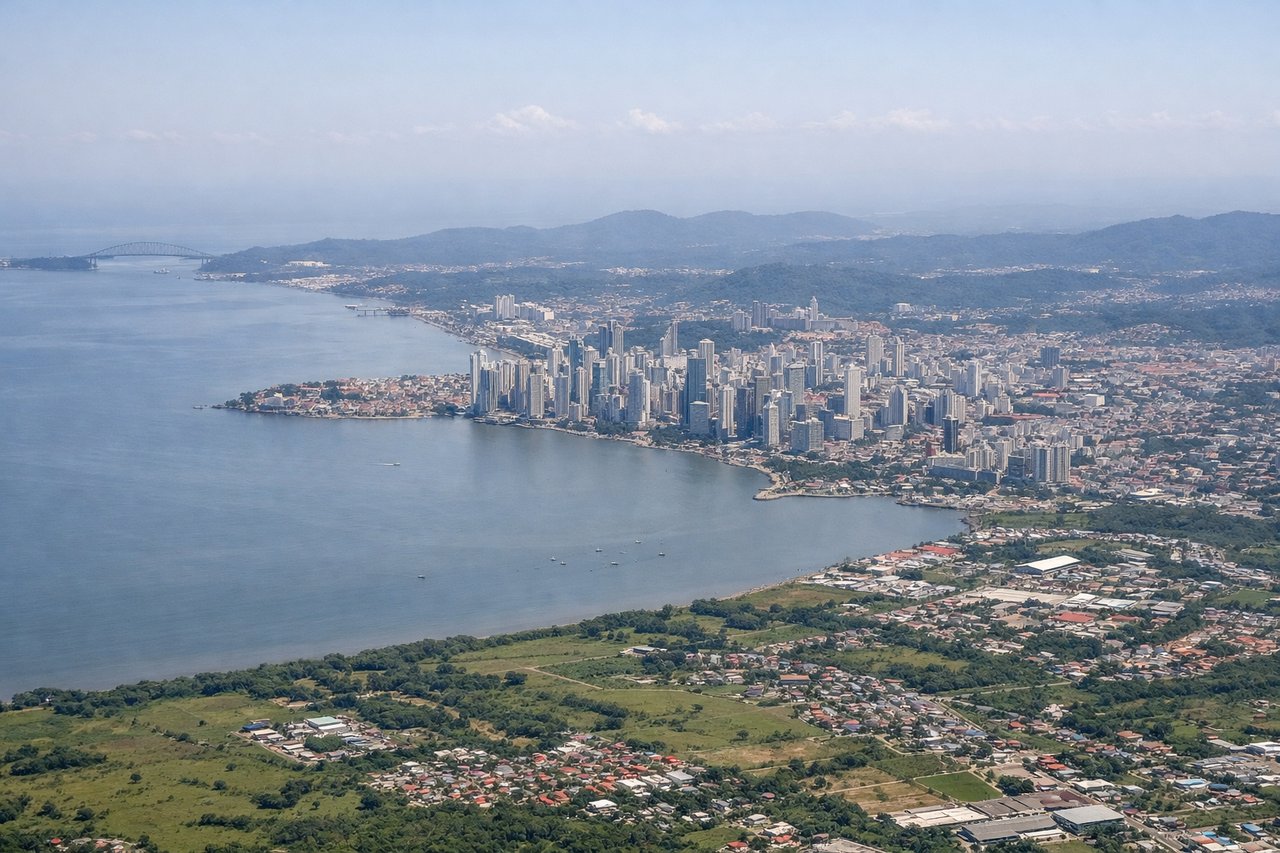
LEFTTocumen's primary departure runway 03L sends aircraft northeast over the Bay of Panama. A left (west-facing) seat gives you Panama City's skyline, the Bridge of the Americas area, and the Pacific entrance to the Panama Canal as you climb out. The canal's Miraflores Locks and Gatun Lake become visible as you gain altitude and bank northward.
Landing at CDG
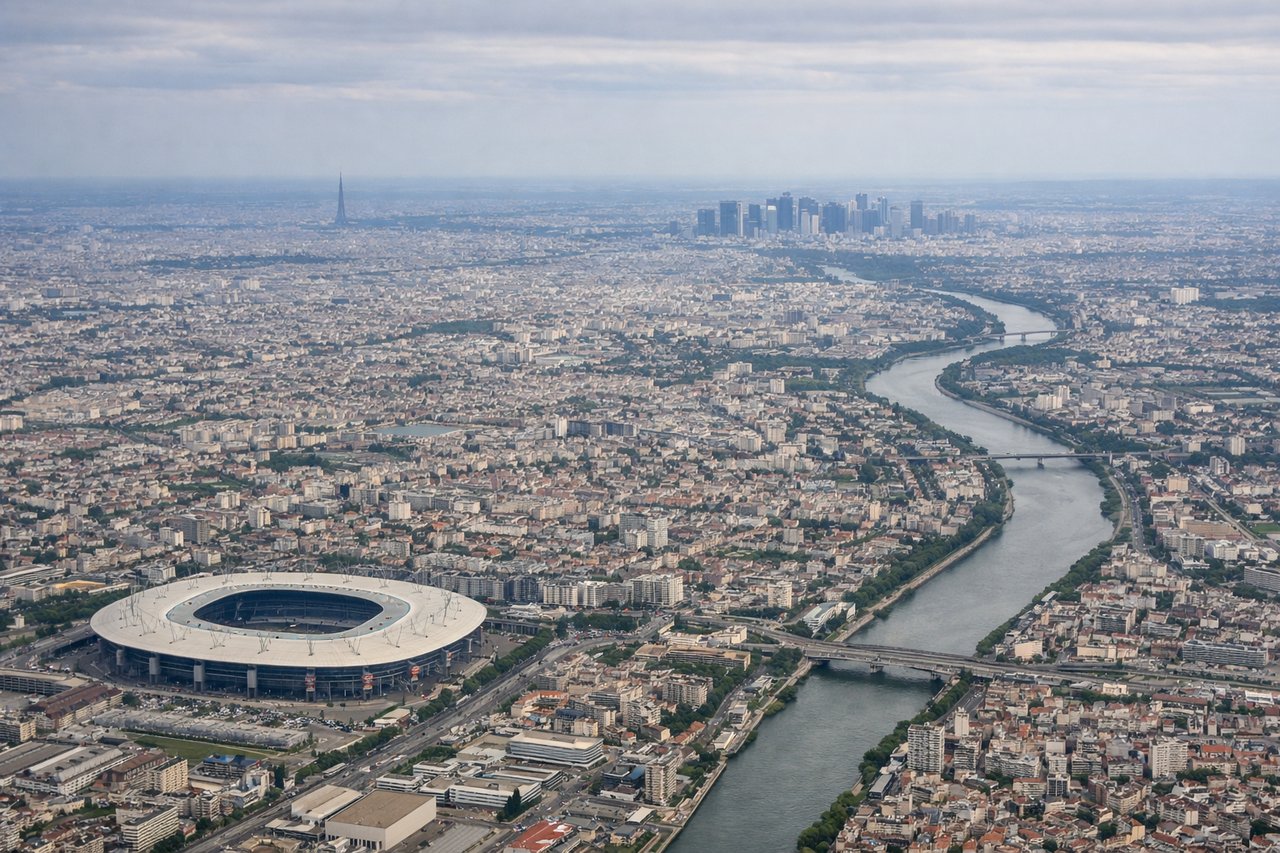
LEFTCDG's primary arrival runway 27L/27R brings aircraft in from the east heading west, meaning a left (south-facing) seat looks toward central Paris. On approach you get clear views of the Seine river bends, the Eiffel Tower, and the dense Haussmann grid of central Paris arrayed to the south as you descend over the northern suburbs.
Landmarks on this routeAll landmarks →
Will your flight be in sunlight?
See exactly which side of the plane gets sun and shade at your departure time.
About This Route
Which side of the plane should I sit on flying from Tocumen International (PTY) to Charles De Gaulle (CDG)?
Sit on the Left side of the plane for the best views on flights from Panama City to Paris. Left side wins at both ends of the flight. At takeoff you get Panama City, the canal, and Gatun Lake; on approach into CDG you get the Paris basin and central city landmarks. Over the Atlantic the views are symmetric, but the left seat delivers the two most visually rewarding moments of the journey.
What can I see during takeoff from Tocumen International in Panama City?
During takeoff from Tocumen International (PTY), sit on the Left side for the best views. Tocumen's primary departure runway 03L sends aircraft northeast over the Bay of Panama. A left (west-facing) seat gives you Panama City's skyline, the Bridge of the Americas area, and the Pacific entrance to the Panama Canal as you climb out. The canal's Miraflores Locks and Gatun Lake become visible as you gain altitude and bank northward. Notable sights include: Panama City skyline and Cinta Costera waterfront, Pacific entrance to the Panama Canal, Miraflores Locks, Gatun Lake.
What can I see when landing at Charles De Gaulle in Paris?
When landing at Charles De Gaulle (CDG), sit on the Left side for the best views. CDG's primary arrival runway 27L/27R brings aircraft in from the east heading west, meaning a left (south-facing) seat looks toward central Paris. On approach you get clear views of the Seine river bends, the Eiffel Tower, and the dense Haussmann grid of central Paris arrayed to the south as you descend over the northern suburbs. Notable sights include: Seine river bends through central Paris, Eiffel Tower, La Défense business district towers, Stade de France in Saint-Denis.
How long is the flight from Panama City to Paris?
The flight from Tocumen International (PTY) to Charles De Gaulle (CDG) takes Approximately 10 to 11 hours.
What does the Panama City to Paris flight path pass over?
After departing Panama the route tracks north over the Caribbean Sea and Cuba, then northeast across the Atlantic. The Azores archipelago may be visible far to the south depending on the exact routing. The flight crosses the Bay of Biscay and enters France over the Pyrenees foothills or Brittany before descending toward the Paris basin. The Atlantic crossing itself is open ocean with no significant landmarks.