While takeoff favors the right (delta views), landing on the left offers more distinctive geography (Ishikari Bay, Daisetsu Mountains). The landing approach is longer and more visually rewarding, making left-side seats the better overall choice for this route.
Flown PVG to CTS? Did we get it right?
Flight Path
Shanghai to Sapporo is 1,355 miles (2,180 km), a flight of about 3 hours 15 minutes.
The flight path crosses the East China Sea northwestward. Notable features include: the Korean Peninsula (visible as a distant landmass to the west around the 1-hour mark), the Tsushima Strait region, and the Sea of Japan (primary crossing zone). At cruise altitude (33,000-35,000 feet), the curvature of the coastlines and the broad expanse of open water dominate. No major islands are directly on the typical flight corridor, but Honshu's northern coast becomes visible during descent into Hokkaido. The approach into Sapporo brings views of Hokkaido's western coastal plains and the transition from sea to agricultural/forested terrain.
Great circle distance and headings ›

Phase by phase
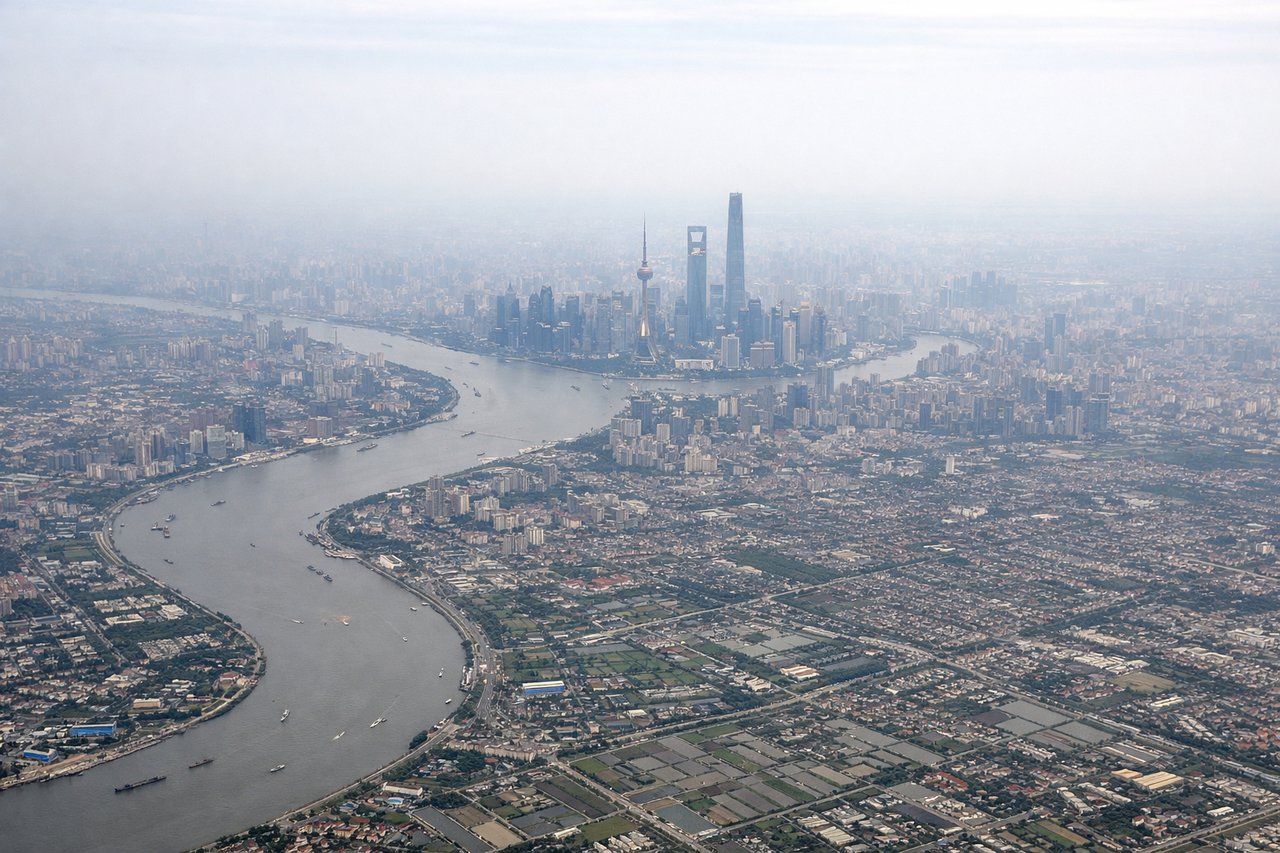
Takeoff from PVG
RIGHTPVG typically departs eastbound (Runways 08L/08R). Right-side seats face north across the Huangpu River delta and Hangzhou Bay, offering views of Shanghai's urban sprawl transitioning to water and wetlands. Left seats face the industrial southern suburbs with less visual interest.
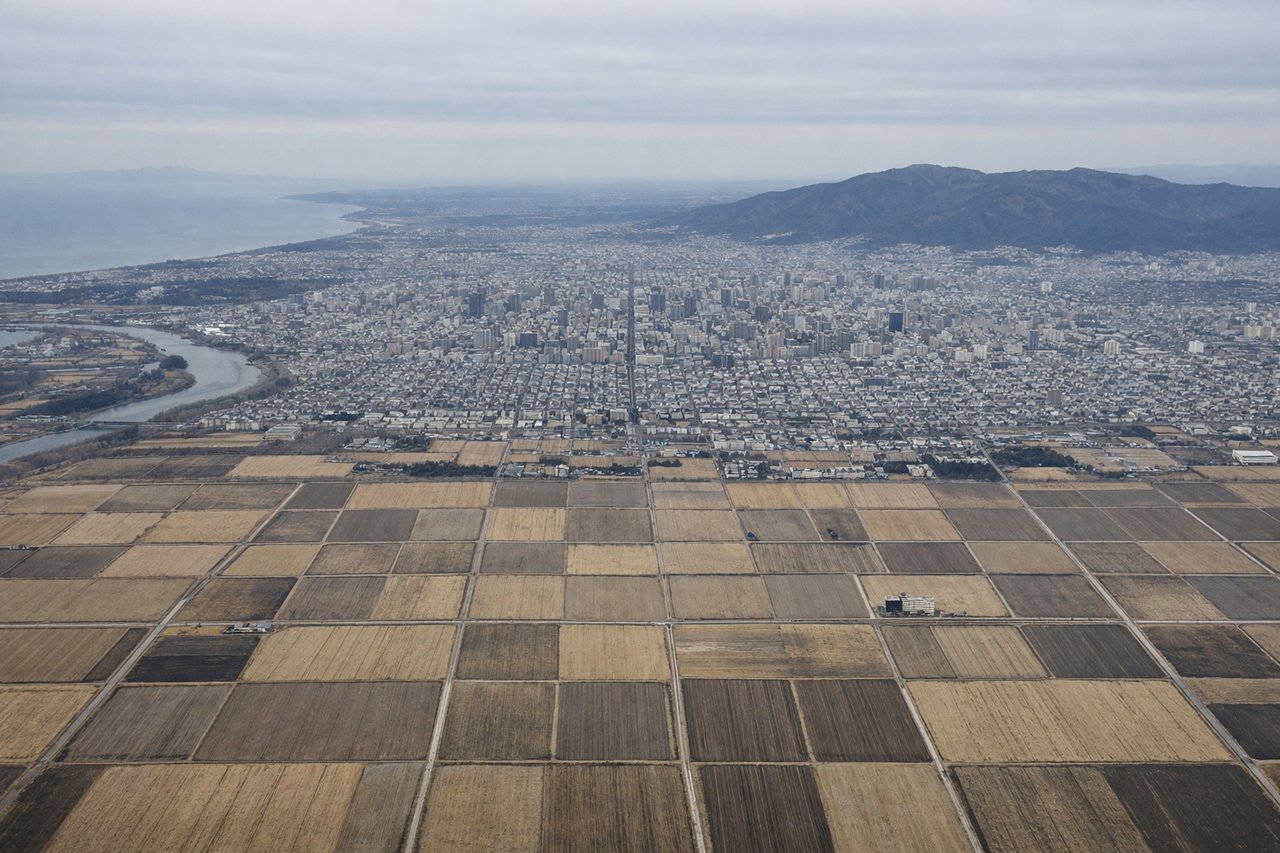
Landing at CTS
LEFTCTS approaches from the south (Runways 01L/01R typical). Left-side seats descend northbound over Ishikari Bay and the coastal plains, with views of Sapporo's urban area and surrounding forested terrain. Right seats face inland mountains and less distinctive features during final approach.
Will your flight be in sunlight?
Pick a date and time in the Sun Map to watch the sun move across your whole flight.
About This Route
Which side of the plane should I sit on flying from Shanghai Pudong International (PVG) to Chitose International Airport (CTS)?
Sit on the Left side of the plane for the best views on flights from Shanghai to Sapporo. While takeoff favors the right (delta views), landing on the left offers more distinctive geography (Ishikari Bay, Daisetsu Mountains). The landing approach is longer and more visually rewarding, making left-side seats the better overall choice for this route.
What can I see during takeoff from Shanghai Pudong International in Shanghai?
During takeoff from Shanghai Pudong International (PVG), sit on the Right side for the best views. PVG typically departs eastbound (Runways 08L/08R). Right-side seats face north across the Huangpu River delta and Hangzhou Bay, offering views of Shanghai's urban sprawl transitioning to water and wetlands. Left seats face the industrial southern suburbs with less visual interest. Notable sights include: Huangpu River (winding through downtown Shanghai), Hangzhou Bay (broad water body to the southeast), Yangtze River estuary (visible as massive mudflat patterns), East China Sea coastline.
What can I see when landing at Chitose International Airport in Sapporo?
When landing at Chitose International Airport (CTS), sit on the Left side for the best views. CTS approaches from the south (Runways 01L/01R typical). Left-side seats descend northbound over Ishikari Bay and the coastal plains, with views of Sapporo's urban area and surrounding forested terrain. Right seats face inland mountains and less distinctive features during final approach. Notable sights include: Ishikari Bay (broad coastal water body), Sapporo urban area (visible grid pattern), Daisetsu Mountains (distant range to the east), Ishikari Plain (flat agricultural/forested expanse).
How long is the flight from Shanghai to Sapporo?
The flight from Shanghai Pudong International (PVG) to Chitose International Airport (CTS) takes about 3 hours 15 minutes. The shortest flight path between them is 1,355 miles (2,180 km); winds and air traffic control usually add a few percent.
What does the Shanghai to Sapporo flight path pass over?
The flight path crosses the East China Sea northwestward. Notable features include: the Korean Peninsula (visible as a distant landmass to the west around the 1-hour mark), the Tsushima Strait region, and the Sea of Japan (primary crossing zone). At cruise altitude (33,000-35,000 feet), the curvature of the coastlines and the broad expanse of open water dominate. No major islands are directly on the typical flight corridor, but Honshu's northern coast becomes visible during descent into Hokkaido. The approach into Sapporo brings views of Hokkaido's western coastal plains and the transition from sea to agricultural/forested terrain.